Wed 4 Nov 2015, 11:09 GMT

LNG-ready product tanker christened


Christening took place this week at the Tampa Cruise Terminal.


Crowley Maritime Corp. has christened the first of four new product tankers at the Tampa Cruise Terminal.

The 50,000-deadweight-tonne (dwt), 330,000-barrel-capacity ship named Ohio [pictured] is the first tanker ever to receive the American Bureau of Shipping's (ABS's) LNG-Ready Level 1 approval, meaning Crowley has the option to convert the tanker to liquefied natural gas (LNG) propulsion in the future.

Over 100 guests watched on Tuesday, 3rd October, as Pamela Beall, president of MPLX, a Marathon Petroleum Corporation subsidiary, performed the time-honored tradition of christening the vessel by breaking a ceremonial bottle of champagne across the hull of the vessel.

"Crowley is proud to welcome this historical vessel into service," said Crowley's Chairman, President and CEO Tom Crowley Jr. "As the first of its kind to officially be LNG-ready, it is a testament to Crowley's promise to seek additional ways to exceed the technological requirements of our petroleum customers while doing our part to reduce environmental emissions."

The Ohio was constructed by Aker Philadelphia Shipyard, Inc. (APSI), the wholly-owned U.S. subsidiary of Aker Philadelphia Shipyard ASA, with construction management services provided by Crowley's Seattle-based, naval architecture and marine engineering subsidiary Jensen Maritime. The remaining three product tankers are also being built by APSI for Crowley.

The new tankers are based on a Hyundai Mipo Dockyards (HMD) design which incorporates numerous fuel efficiency features, flexible cargo capability and the latest regulatory requirements.

Ohio is 600 feet long and is capable of carrying crude oil or refined petroleum products. The vessel has made two voyages to date carrying clean petroleum products to Florida.


Svitzer Balder vessel. Battery-methanol harbour tug completes sea trials ahead of Gothenburg deployment  

Svitzer Balder is claimed to be the most powerful electric escort tug in the world.

Launching ceremony of Nave Orbit vessel. Changhong International launches fourth LR2 tanker for Navios  

Chinese shipbuilder floats 115,000-tonne LR2/Aframax product tanker with methanol and LNG conversion capability.

Nippon Yuka Kogyo logo. Nippon Yuka Kogyo launches lubrication oil analysis service for ammonia-fuelled engines  

Japanese company offers condition monitoring service to support adoption of ammonia as a marine fuel.

Steel cutting ceremony of vessel with builder's hull no. S1128. CIMC Pacific Offshore Engineering advances two 20,000-cbm LNG bunkering vessel projects  

Two sister vessels for Singapore and Luxembourg owners reach construction milestones in China.

MPA and SSA logo side by side. Singapore maritime sector to accelerate AI adoption under new partnership  

MPA and SSA sign MOU to support AI implementation across shipping operations and bunkering.

Aerial view of a ship-to-ship (STS) transfer operation. Portland Port receives licence for LNG ship-to-ship transfer operations  

UK port can now support direct LNG transfers, reducing transit times and streamlining logistics operations.

Martin White, CEO of Stream Marine Group. Seafarer training must match pace of alternative fuel adoption, says Stream Marine Training  

Training provider highlights regulatory gap as methanol, ammonia and hydrogen gain traction in shipping.

Anji Luck vessel. Jiangnan Shipyard delivers final methanol-ready car carrier to Anji Logistics  

The 9,500-vehicle capacity vessel completes a 12-ship series built for SAIC’s logistics arm since 2022.

Bunker vessel alongside a ship during fuel transfer. Nippon Biofuel secures METI funding for Africa-based marine biofuel supply chain  

Japanese company to establish Jatropha cultivation and biofuel production facilities in Mozambique and Ghana.

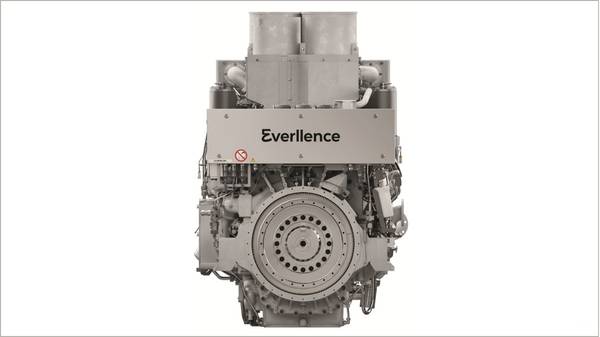
Everllence B&W 6G60ME-LGIA HPSCR engine. Everllence’s ammonia-fuelled engine passes factory acceptance test ahead of October delivery  

Engine built by HHI-EMD will power Eastern Pacific Shipping’s very large ammonia carriers.