
|
Monjasa opens recruitment for trading role in Tokyo
Position requires minimum of three to four years of relevant experience in the bunker or shipping industry. |
|
|
|
||
|
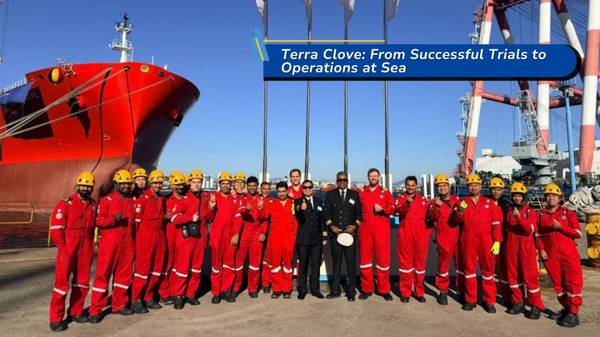
Eastern Pacific Shipping's Terra Clove runs on ammonia in maiden voyage
Terra Clove, described as the world's first commercial ammonia dual-fuel VLAC, is operating at sea following trials. |
|
|
|
||
|
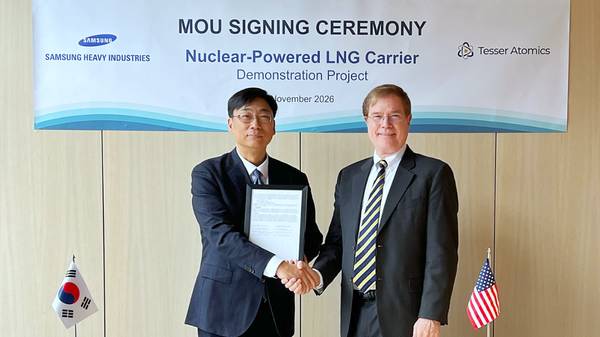
Tesser Atomics and Samsung Heavy Industries agree exclusive deal on nuclear-powered LNG carrier
Partners plan demonstration vessel using a fluoride-salt-cooled reactor for transatlantic LNG trade routes. |
|
|
|
||

|
Fincantieri secures order for two LNG dual-fuel cruise ships from Carnival
Carnival Corporation orders two dual-fuel, LNG-powered cruise ships from Fincantieri for delivery in 2033 and 2035. |
|
|
|
||
|
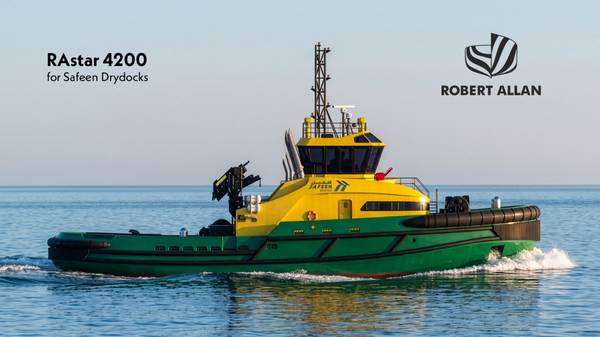
Robert Allan to design escort tugs for Safeen Drydocks fleet bound for Africa
Six RAstar-series escort tugs will be built in Dubai for harbour, terminal and firefighting operations in Africa. |
|
|
|
||
|
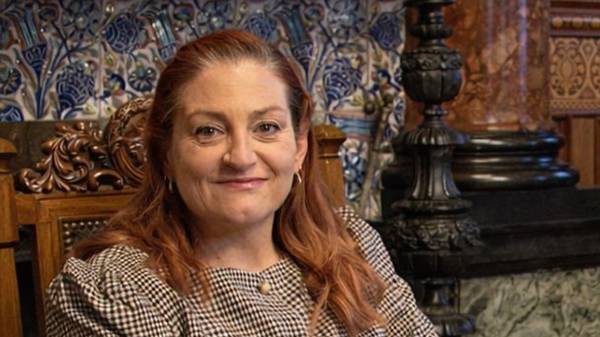
Lloyd's Register approves classification rules for nuclear-powered ships and offshore units
Class society publishes reactor-agnostic framework to help assess nuclear propulsion and power for maritime applications. |
|
|
|
||
|
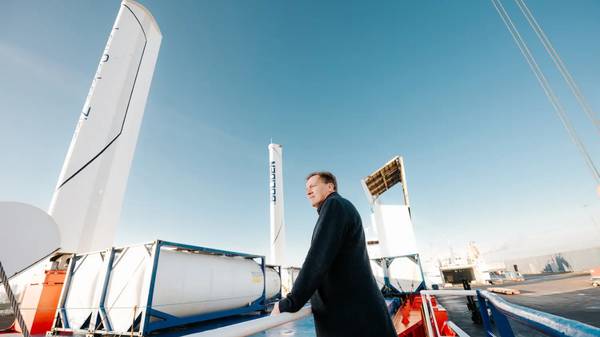
Econowind marks ten years as wind-assisted propulsion gains ground in shipping
Dutch company moves from car-roof prototypes to more than 170 VentoFoil units sold, as fuel costs and emissions rules push wind propulsion into the mainstream. |
|
|
|
||
|
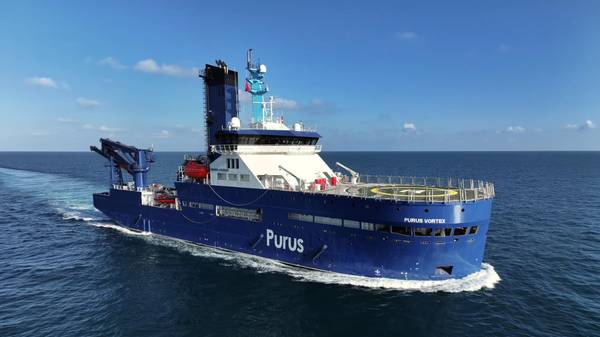
Damen delivers first CSOV to Purus for methanol-ready offshore wind support
Purus Vortex, Damen's first CSOV for the operator, will support North Sea offshore wind operations from IJmuiden. |
|
|
|
||

|
WinGD and Hanwha Engine expand collaboration ahead of new engine launches
The companies will work together on bringing WinGD's X-DF-HP LNG and X-DF-P LPG engines to market. |
|
|
|
||
|
Castrol teams up with Stone Oil to expand marine lubricant supply on US Gulf Coast
Partnership gives Gulf Coast vessel operators direct access to Castrol Seamax lubricants through Stone Oil's distribution network. |
|
|
|
||
| EMSA to launch new pollution programme [News & Insights] |
| Mitropoulos defends shipping's environmental record [News & Insights] |
| PACCSHIP pleads guilty to concealing oil pollution [News & Insights] |
| 20,000 barrels of fuel oil removed from grounded barge [News & Insights] |