
|
MCE Marine Surveyors seeks bunker surveyor in Rotterdam amid growing demand
Liquid bulk surveyor certificate listed as a preference, as is prior experience in a bunker surveyor role. |
|
|
|
||
|
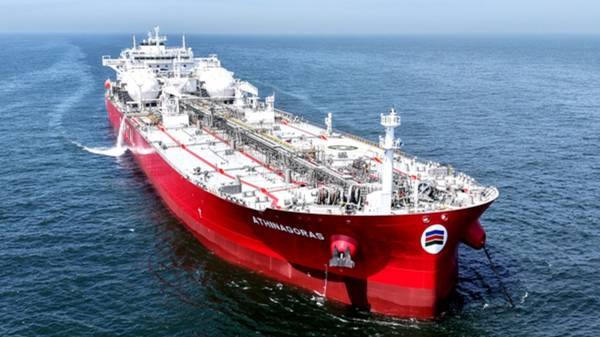
LNG dual-fuel tanker delivered to Capital Ship Management
Vessel one of two handed over to Greek operators on the same day. |
|
|
|
||

|
Auramarine seeks quality specialist to unify European and Asian management systems
Finnish fuel supply system maker is recruiting a quality specialist to harmonise its global operations. |
|
|
|
||
|
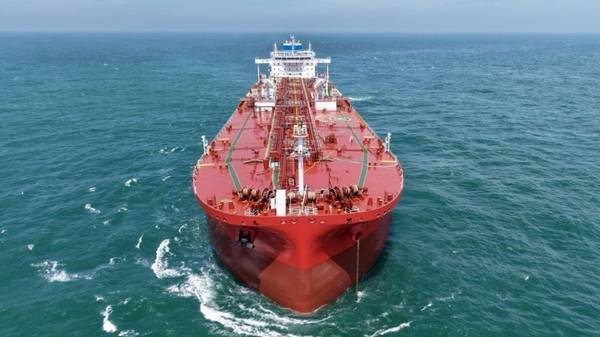
Navios Maritime Partners takes delivery of LNG- and methanol-ready Aframax tanker
117,012-dwt Nave Orbit features alternative-fuel readiness and energy-efficiency technology. |
|
|
|
||
|
PetroChina International seeks bunker sales manager to drive European growth
Chinese state-owned energy trader targets ARA expansion with new commercial hire. |
|
|
|
||
|
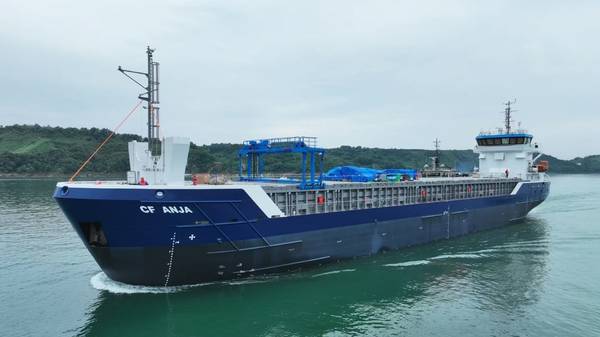
Damen delivers HVO-ready CF 3850 to Lithuania’s Juru Agentura Forsa
CF Anja marks the first newbuild vessel in Forsa’s dry cargo fleet. |
|
|
|
||
|
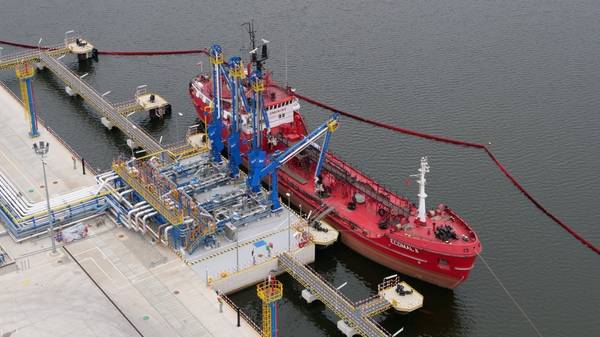
Orlen opens marine transshipment terminal in Gdansk
Polish refiner's new quay facility can handle up to two million tonnes of products annually. |
|
|
|
||
|
Uni-Fuels appoints general manager for new Houston operation
Experienced professional Robert Love aiming to expand the company’s presence in the United States. |
|
|
|
||

|
Sing Fuels hiring junior supply trader for Singapore operations
Role aimed at candidates with one to two years of experience in marine fuels or the wider maritime industry. |
|
|
|
||
|
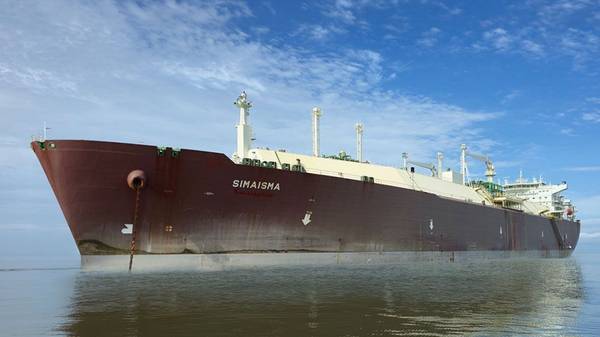
Exmar takes delivery of LNG carrier to serve the bunkering market
Vessel to be convered into a floating transshipment unit for specialised LNG bunkering vessels to load fuel. |
|
|
|
||
| Utility requires 90,000 tonnes of fuel oil [News & Insights] |
| Fuel oil cargo purchased via tender [News & Insights] |
| Utility purchases fuel oil cargo [News & Insights] |
| Chinese firm secures 80,000-tonne 380 cst cargo [News & Insights] |
| Wärtsilä signs 15-year lifecycle agreement for three CLSICO LNG carriers [News & Insights] |
| Petrobras signs renewable bunker fuel deal with Odfjell for Brazil-Norway green corridor [News & Insights] |
| Meyer Turku secures Icon 6 and 7 cruise ship orders from Royal Caribbean [News & Insights] |
| Svitzer signs contract with India’s SDHI for four biofuel-ready TRAnsverse tugs [News & Insights] |
| Repsol and NCLH sign 8-year renewable fuel supply deal for Barcelona [News & Insights] |

