

|
Malik Supply seeks bunker trader for Dubai office expansion
Danish firm looking for experienced professionals with a minimum of two years in bunker trading. |
|
|
|
||
|
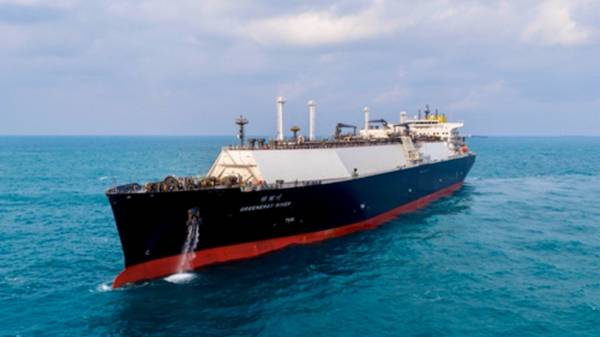
NYK joint venture names first China-built dual-fuel LNG carrier in six-vessel CNOOC series
174,000-cbm vessel uses both fuel oil and boil-off gas as fuel. |
|
|
|
||

|
Anew Climate joins SEA-LNG coalition to advance bio-LNG adoption in the maritime sector
North American low-carbon fuels company brings liquefied biomethane supply to the coalition. |
|
|
|
||
|
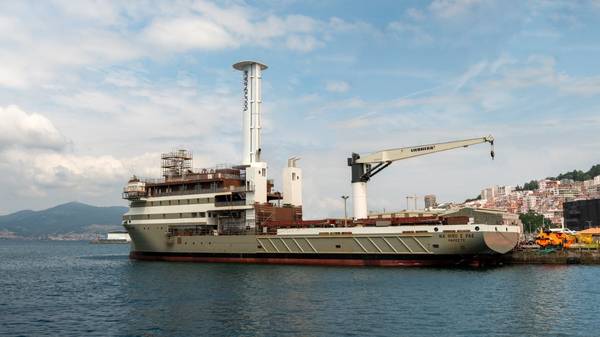
Wind propulsion breaks new ground on French Polynesian multipurpose vessel
Bound4blue installs its eSAIL on what is believed to be the world’s first multipurpose vessel fitted with wind propulsion. |
|
|
|
||
|
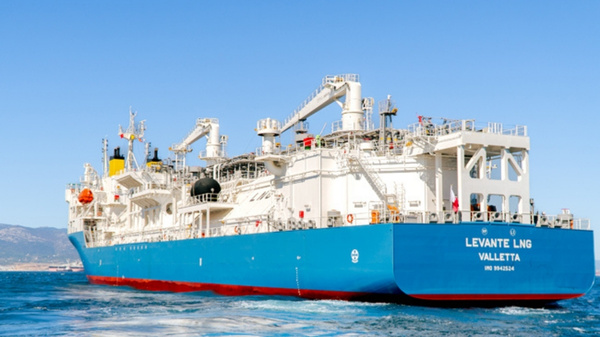
Peninsula outlines case for bio-LNG as near-term emissions pathway for LNG-fuelled vessels
Company says bio-LNG offers operators a practical route to emissions cuts using existing infrastructure. |
|
|
|
||

|
Fratelli Cosulich Bunkers receives MPA harbour craft workforce award
Bunkering firm recognised for its support of Singapore's maritime training programme. |
|
|
|
||
|
UK Chamber of Shipping publishes safety evidence base for alternative marine fuels
New report covering five fuel pathways aims to support the industry’s safe transition to net zero. |
|
|
|
||
|
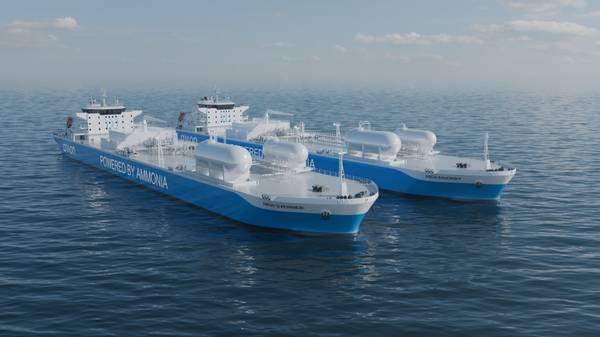
Navigator Gas secures $121.8m loan for two ammonia carriers under construction in China
Navigator Holdings and Amon Maritime joint venture locks in six-year post-delivery financing for dual-fuel vessels due in 2028. |
|
|
|
||
|
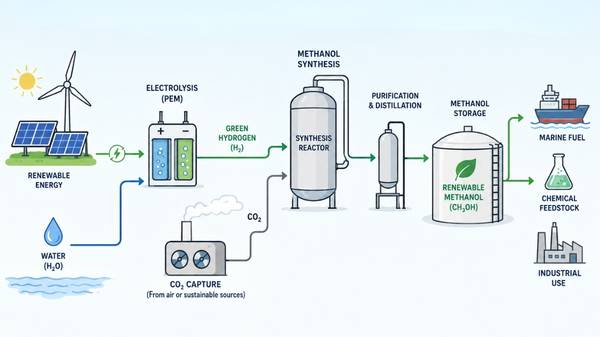
US project cancellation marks first monthly contraction in renewable methanol pipeline in over three years
GENA’s July 2026 data shows a 0.5 MMT pipeline contraction as North America loses ground. |
|
|
|
||
|
Orica reaches FID on Australian renewable ammonia project as US mega-scale cancellation dents low-carbon pipeline
GENA data shows project pipeline contraction as Air Products’ Louisiana complex is halted. |
|
|
|
||
| Total Lubmarine investing in 'future-proof' lubricants [News & Insights] |
| Lubmarine-sponsored research project completed [News & Insights] |
| New lubricant designed to minimize risk of cold corrosion [News & Insights] |
| Lubmarine celebrates barge naming [News & Insights] |
| Lubmarine to supply new Panama Canal power plant [News & Insights] |

