Thu 3 Jul 2014, 12:02 GMT

Global Vision Market Report


Crude oil futures fell to three-week lows this morning, as easing concerns over a disruption to supplies from Libya and Iraq weighed on prices.

Oil prices slightly rose Wednesday morning on short covering and a bullish API report released Tuesday night. The Stochastic indicator's buying signal at the gasoil chart lent additionnal support. While Euro zone indicators being released in the morning, met analysts' forecast and therefore had little impact on oil prices, news from Libya that the rebels would soon evacuate the two most important ports Ras Lanuf and Es Sider, weighed on prices. Oil futures lost ground at midday, their slide accelerated by technically triggered selling orders after various support lines were breached. Not even the better-than-expected U.S. ADP employment report could halt oil's slide despite the imminent release of the DoE's report on U.S. oil stocks. The bullish report then limited the losses and helped prices up as market participants were still sceptical as regards the increase in Libyan oil supply. Late in the evening after office hours the chief of the Libyan rebels and the countrie's prime minister announced in a common press conference that an agreement was signed that would lead to the evacuation of the blocked terminals. Selling pressure was thus revived and oil prices breached more support lines, opening more downside and settling near three-week lows in London and New York.

ICE Gasoil contract for July delivery settled at 908.75 USD on Wednesday, this is 5.25 USD below Tuesday's settlement. With some 35,100 deals the traded volume (front month) was well below average.

The buying signal the Stochastic indicator generated on Wednesday at the gasoil chart has not been confirmed for the Brent or WTI contracts, its bullish potential meanwhile being absorbed. In the absence of any fresh signals we assess the technical constellation as neutral this morning. Only if the RSI indicator breaches the 30 line from bottom to top and/or the Stochastic indicator's two lines cross, fresh signals are being triggered. Yet technical analysts see fundamentals dominating the market today, pushing the technical aspects aside.

U.S.

Nymex on avarage: Oil futures collapsed on Wednesday on the prospect of rising Libyan oil exports and could not recover in Asia this morning, trading in a narrow range in electronic morning trading.The traded volume at NYMEX is about on average for this time of day. Market participants will closely watch stock and forex markets and keep an eye on the developments in Iraq, Ukraine and Libya. There are quite a few economic indicators on the agenda today the most important of which are the U.S. employment report and the ECB's press conference.

API: Crude oil -0.9; Distillates +4.4; Gasoline -0.4 million barrels vs previous week.
DOE: Crude oil -3.2; Distillates +1.0; Gasoline -1.2 million barrels vs previous week.
Forecasts: Crude oil -2.5; Distillates +1.0; Gasoline +0.5 million barrels vs previous week.

Houston (ex-wharf indications 3-7)
380cst $611
180cst $680
MGO $990

New Orleans (ex-wharf indications 3-7)
380cst $619
180cst $661
MGO $997

Singapore (delivered indications 3-7)

WTI is down with -$1.29. Singapore paper is down with -$6.50 for 180cst and -$7.00 for 380cst for Jul, and for Aug 180 cst -$6.75 and 380cst with -$7.25 with MGO contracts being bearish in Jul with -$2.06 and in Aug with -$1.94. The cargo market is bearish with 180cst -$3.90, 380cst with -$2.78 and MGO is bullish with +$0.11.

The Singapore fuel oil prices extended fall by another $4.0- 2.5 during the Asian Platts window yesterday following softening crude prices. The delivered bunker premiums were between $4.5 and $5.5 above cargo prices.

380cst $605
180cst $624
MGO $908

Fujairah (delivered indications 3-7)

380cst $618
180cst $646
MGO $983

ARA (Amsterdam - Rotterdam - Antwerp)

380cst : $586
(1.0 %) : $630
180cst: $626
MGO 0.1%S: $880

MGO  

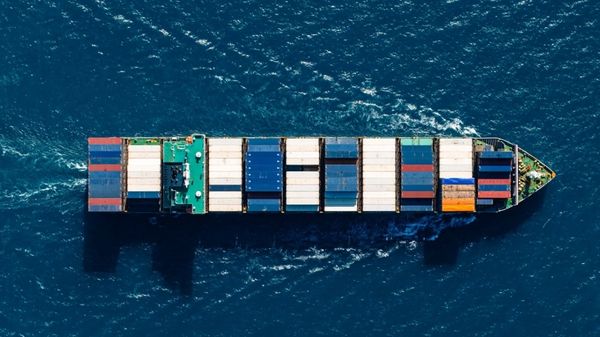
Aerial view of container vessel at sea. Seaspan and Technolog unveil LNG feeder design with four-week ammonia conversion pathway  

Lloyd’s Register grants approval for a 3,370 TEU vessel concept designed for swift transition to zero-carbon fuel.

David Foo, MPA. Singapore’s MPA backs LNG as part of multi-fuel strategy for shipping decarbonisation  

Authority emphasises regulatory frameworks and workforce development as sector navigates geopolitical uncertainty and energy transition.

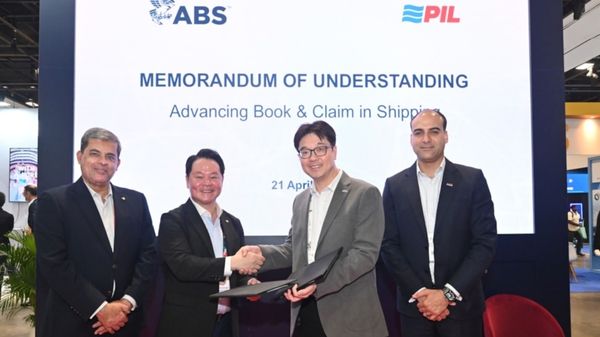
ABS and PIL sign MoU. ABS and PIL partner on book-and-claim emissions verification  

Classification society to verify fuel consumption and emissions data for shipping line’s alternative fuel claims.

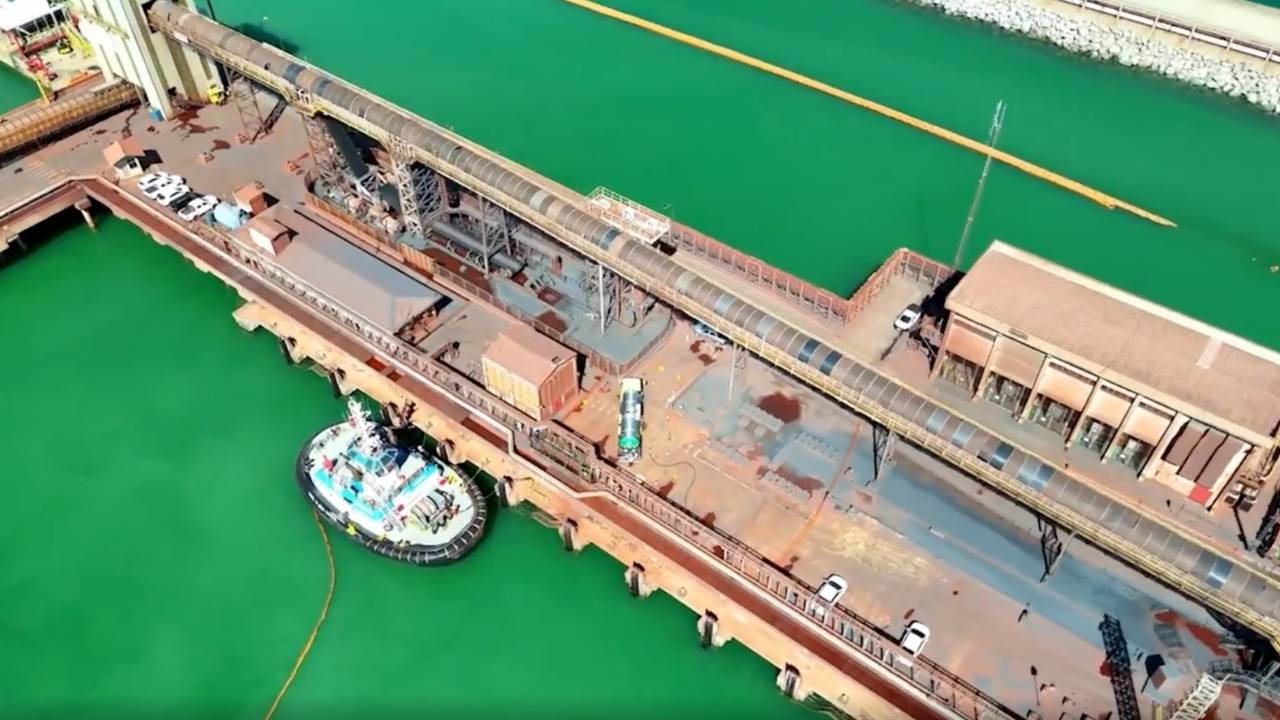
Biofuel bunkering at Port of Açu. Vast completes first biofuel bunkering of tugboat at Brazil’s Port of Açu  

Be8’s BeVant biofuel claims up to 99% CO₂ reduction versus conventional marine diesel.

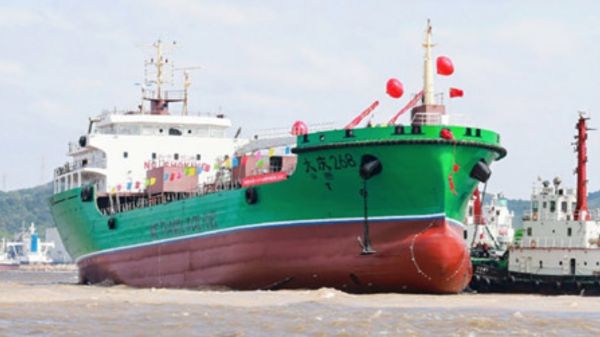
China’s Da Qing 268 vessel. Ningbo-Zhoushan Port completes first ship-to-ship green methanol bunkering  

Zhejiang province port facility delivered 503 tonnes of methanol to a container ship in one hour.

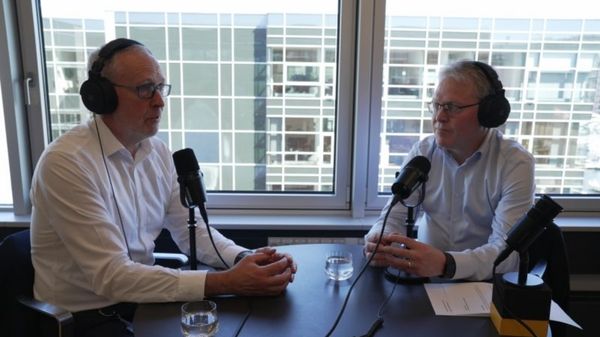
Ole Sloth Hansen and Arne Lohmann Rasmussen. KPI OceanConnect launches podcast series on bunker markets and geopolitical risk  

Marine fuel supplier debuts audio series examining commodity markets, trade route disruptions and Middle East tensions.

Auramarine biofuels webinar. Auramarine to host webinar on biofuels as a marine decarbonisation solution  

Finnish firm's May event will explore current biofuel options and integration strategies for vessels.

Thomas Bondesen, Christian Ramsdal and Jeanette Rathje, Malik Group. Malik adds bunker trader, technology head and canteen worker  

Danish marine fuels group expands team with three appointments across commercial, technical and operational functions.

Marine Money 2026 forum. AET outlines multi-fuel decarbonisation strategy at Marine Money 2026  

Tanker operator highlights innovative commercial arrangements with charterers to share decarbonisation risks and rewards.

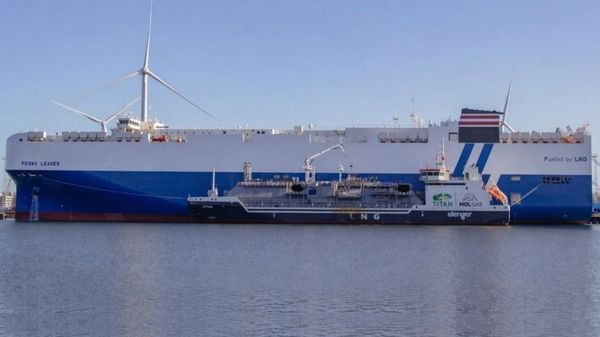
Titan Optimus alongside Peony Leader vessel. Titan Clean Fuels completes first FuelEU Maritime pooling exercise with DNV verification  

Pool included several hundred vessels, with LNG and biomethane helping balance compliance deficits.