Tue 12 Feb 2013, 12:11 GMT

Global Vision Market Report


Oil rose towards $119 a barrel on Tuesday as investors assessed political developments in the Middle East and regained their appetite for risk. Tension in the Middle East remained high over Iran's nuclear programme, and analysts said investor concerns were focused more on Iran than on North Korea's third nuclear test. Brent crude which expires on Wednesday, was up 58 cents at $118.71 a barrel by 1126 GMT, after settling down 77 cents on Monday. U.S. crude was up 27 cents at $97.30 a barrel. The oil market started without clear direction on Friday, trading sideways in a tight range, however, with a firm tendency thanks to the positive data on the trade balance and increased oil imports in China. Oil prices surged towards noon, breaching first resistances at ICE in face of the strong euro and rising stock market. After technical buying orders were triggered, G.Oil even rose above its third resistance at 1,025.00 USD. As WTI failed at its first resistance, prices held at this level and only received a boost when the positive U.S. trade balance was released. Especially ICE futures received additional support when an ExxonMobil unit declared a Force Majeure regarding exportations of the Nigerian blend Qua Iboe and when Yemen reported a new attack on an important pipeline. Renewed worries on Iran’s nuclear program simultaneously raise fears of tensions escalating in the Middle East. While Brent has reached a 9-month high at 119.00 USD, WTI failed at its resistance at 96.40 USD, closing with losses on Friday. As maintenance works at U.S. refineries go on, the already abundant inventories in the Mid-West, especially in Cushing, will continue to rise in the weeks to come and prevent WTI prices from recovering. Consequently, the Brent/WTI spread has widened to over 23 USD this morning.

ICE Gasoil contract for February delivery settled at 1,030.75 dollars on Friday. This was 16.25 dollars above Thursday's settlement. With some 32,600 deals the traded volume was above average. As the contract expires tomorrow, traders are increasingly focusing on the new front month March.

OPEC raised forecasts for the amount of crude it will need to supply this year because of stronger fuel demand in emerging economies. The Organization of Petroleum Exporting Countries will have to provide an average of 29.8 million barrels a day in 2013, or 100,000 a day more than it estimated a month ago. The producer group’s output in January was 500,000 barrels a day larger than this, at 30.3 million, according to OPEC’s monthly market report published today.

The technical analysis is still giving off mixed signals for ICE and NYMEX futures. While Brent and G.Oil are still strongly overbought and the stochastic also is rather neutral at both charts, the RSI at the WTI chart is already touching the 30%-line and could trigger a selling signals if it were breached. The uptrend at ICE remains intact, providing upward as well as downward potential. WTI is testing its medium-term resistance. Technical analysts expect ICE futures to slightly correct downwards this morning before Brent will target 119.00 USD again.

U.S.

Nymex neutral: Oil futures hold steady at a high level this morning but with a softer tendency. Trading interest at NYMEX is clearly below average for this time of day. Traders are waiting for the European market to open and for fresh signals from forex trading. There are no economic indicators on the agenda today. The Chinese market remains closed today due to New Year's celebrations.

Houston (ex-wharf indications 11-02)
380cst $658
180cst $741
MGO $1076

New Orleans (ex-wharf indications 11-02)
380cst $658
180cst $697
MGO $1079

Singapore (correct as of 1430hrs LT - delivered indications)

Singapore markets were closed yesterday and will reopen tomorrow after Chinese New Year holiday. This morning the markets are trading slightly down.

High premiums for prompt deliveries.
380 cst $659
180 cst $661
MDO $998

ARA (Amsterdam - Rotterdam - Antwerp)

Rotterdam and Antwerp suppliers had difficulties with product availabilities. LSFO is more tight than HSFO. Because of this. the spread between HSFO and LSFO increased from 30$ up to $45 . Some suppliers can not offer for prompt HSFO deliveries.

Indications for delivered bunkers:
380cst : $ 644
(1.0 %) :$ 693
180cst: $ 674
(1.0 %):$ 723
MGO 0.1%S: $ 1006


Arctic Tern vessel. Wallenius Wilhelmsen takes delivery of first methanol-ready Shaper Class vessel  

The dual-fuel Arctic Tern will enter service on the Asia–Europe trade almost immediately.

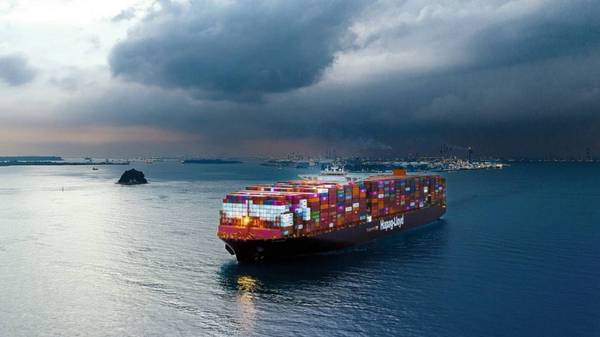
Al Muraykh vessel. Hapag-Lloyd signs shore power agreement with Hamburg Port Authority  

Deal commits the carrier to using onshore power supply at all Hamburg terminals.

Dorthe Karin Bendtsen, KPI OceanConnect. KPI OceanConnect reports 21% rise in pre-tax earnings for 2025/26  

Marine fuel firm delivers 13 million tonnes and expands carbon markets capabilities amid geopolitical turbulence.

VTTI logo. VTTI Dalian completes first large-scale 'green methanol' vessel loading  

Cargo to be supplied as marine fuel in Shanghai.

Steff Tan, Oilmar. Oilmar appoints Steff Tan as marine fuels trader in Singapore  

New hire's background spans bunker operations, logistics, commercial trading, marketing, and business development.

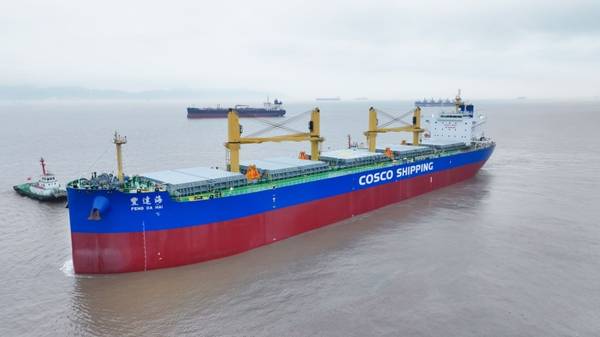
Feng Da Hai vessel. Cosco Shipping adds methanol-ready bulk carrier Feng Da Hai to fleet  

The 64,000-tonne vessel is equipped with a methanol fuel system for future low-carbon operations.

Oilmar office in Dubai. Oilmar welcomes summer intern to Dubai branch  

Arpit Aryan will rotate across the bunker fuel trading, finance and operations departments.

Aerial view of the Dubai skyline. Oilmar takes on trading and finance intern in Dubai  

New intern to rotate across trading, operations and finance teams.

Seaspan and Maersk signing. Seaspan and Maersk deepen fleet efficiency collaboration with $75m upgrade programme  

Retrofit package for four 13,000-teu vessels includes installation of shaft generator to reduce auxiliary engine fuel consumption.

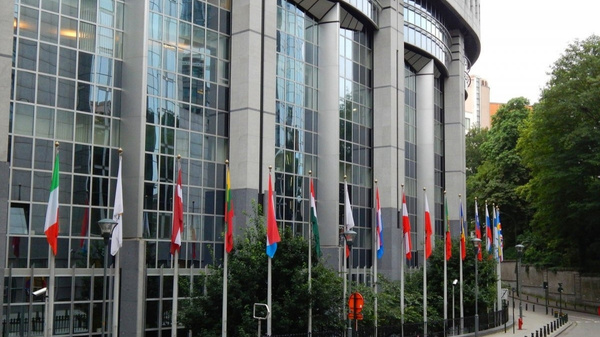
European Parliament building in Brussels. EU Parliament vote on soy biofuels could expose bloc to $5.6bn a year in trade sanctions  

MEPs reject regulation that would have phased out soy biofuels, risking WTO retaliation penalties.