This is a legacy page. Please click here to view the latest version.
Tue 10 Apr 2018, 01:19 GMT

HFO ban: Arctic awareness event at MEPC 72


Short presentations to be delivered by shipping, science, indigenous and non-governmental representatives.


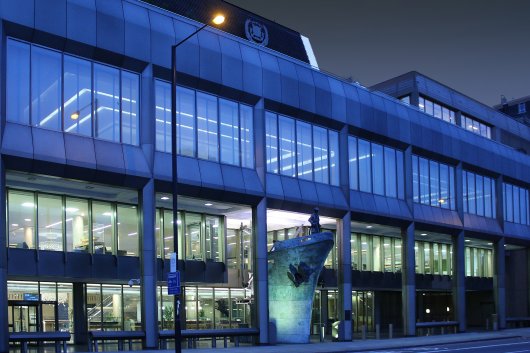
IMO headquarters in London.
Image credit: Flickr
The Clean Arctic Alliance is hosting a side event, sponsored by the Clean Shipping Coalition, at the 72nd session of the International Maritime Organization's (IMO) Marine Environment Protection Committee (MEPC) on Tuesday April 10, at 17:45 hrs.

Entitled 'The Climate Crisis: A message from the Arctic', the aim of the event, according to Clean Arctic Alliance, is to increase awareness among IMO delegates about the local and global consequences of the current changes taking place in the Arctic, and "to demonstrate the necessity for IMO to agree an ambitious strategy to reduce greenhouse gases from shipping globally and a regional ban on HFO in the Arctic".

The event will consist of a panel presentation involving four short 5-7 minute presentations, followed by a reception.

IMO registration is required to attend side events.

Speakers include:

- Science: Dirk Notz, Max Planck Institute for Meteorology

- Indigenous voice: Sheila Watt-Cloutier, Canada, Environmental, Cultural and Human Rights Advocate

- Non-governmental: Faig Abbasov, Transport & Environment and Clean Shipping Coalition

- Shipping industry: Jorn Henriksen, Hurtigruten

The event will be moderated by Jytte Guteland, Member of the European Parliament.

Arctic indigenous attendees at MEPC72

Arctic indigenous representatives are in London to demand the creation of a consistent indigenous representation to the IMO, and also to explain why shipping issues related to climate change and environmental protection are important to Arctic communities.

They will be attending IMO meetings as part of NGO delegations, take part in side events, and also plan to meet with the IMO Secretary General.

Other Arctic indigenous representatives, in addition to the previously mentioned Sheila Watt-Cloutier, are:

- Verner Wilson, Alaska, Friends of the Earth, formerly with the Bristol Bay Native Association

- Austin Ahmasuk, Alaska, Kawerak, Inc. (Bering Straits regional non-profit)

- Eduard Zdor, Russian Federation, former director of the Chukotka Marine Mammal Hunters Association

On Monday, April 9, Verner Wilson, Austin Ahmusak and Eduard Zdor spoke at an IMO side event entitled 'Arctic indigenous voices: Climate change, new shipping routes and solutions for mitigation and adaptation'.

UEC60LSJ ammonia-fuelled engine render. J-ENG secures orders for four ammonia-fuelled engines under Japanese PCTC project  

Vessels form part of plan to build four ammonia-fuelled car carriers, a dedicated bunkering vessel and supply chain.

Hanwha Power receives ABS AiP for battery-powered containership design. ABS grants AIP to Hanwha Power for 1,700-TEU battery-powered container ship  

Design uses roughly 151 MWh of swappable battery storage for fully electric propulsion on a container vessel.

Peter Krahenbuhl, WinGD. WinGD signs first licence deal with HD Hyundai Marine Engine to expand Korean production  

Mid-bore engine portfolio gains new production route into Korea's bulk carrier and tanker newbuild markets.

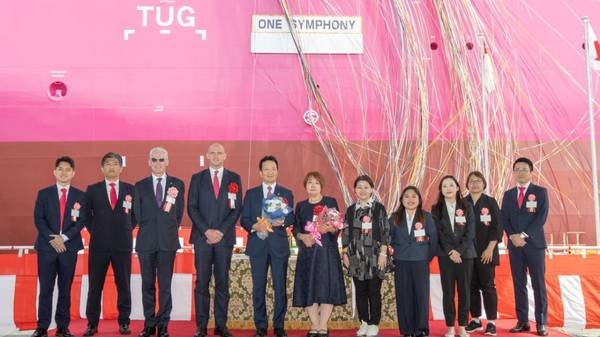
ONE Symphony naming ceremony. Ocean Network Express names ammonia- and methanol-ready newbuild ONE Symphony  

Vessel features conventional diesel main engine, with concept designs approved for possible future conversion to methanol or ammonia.

Sing Fuels logo. Sing Fuels seeks Asia-based supply trader to bolster bunker procurement team  

Singapore bunkering firm is recruiting a supply trader to manage marine fuel purchasing across Asia.

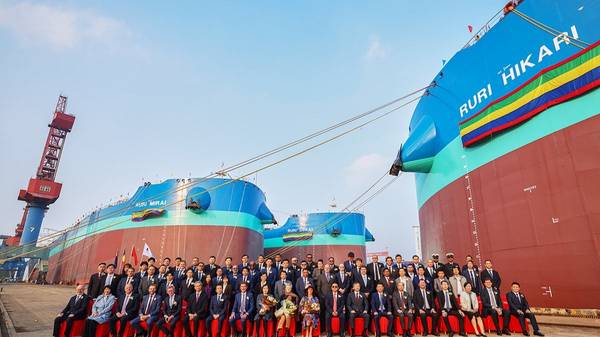
MOL joint naming ceremony. MOL names world's first ammonia-fuelled Capesize bulk carriers  

Naming of Ruri Mirai, Ruri Sekai and Ruri Hikari signals ammonia's arrival as a marine fuel for large bulk carriers.

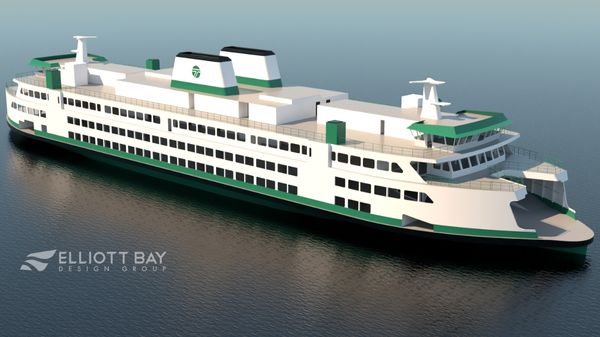
Washington State Hybrid-Electric 160-Auto Ferry vessel render. ABB wins Washington State Ferries' third hybrid-electric vessel order  

ABB extends its role in the US ferry operator's electrification programme, which targets emission-free operations by 2050.

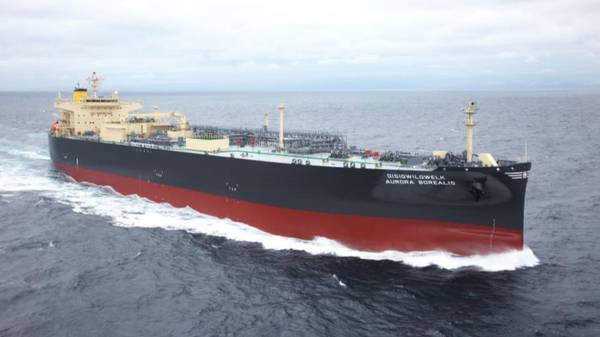
Aurora Borealis vessel. Kawasaki Heavy Industries delivers LPG-fuelled carrier Aurora Borealis  

Ship could also be modified in future to allow for ammonia-fuelled operation.

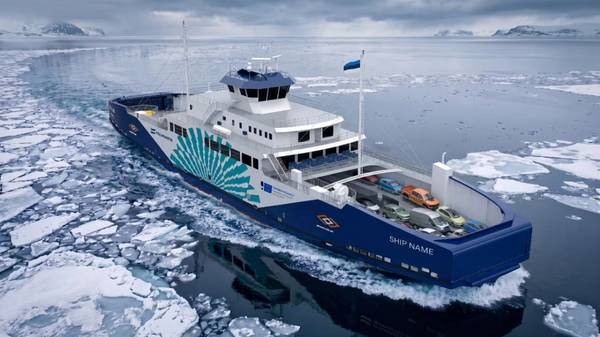
Rendering of Estonia's first shore-charged electric ferry. Estonian State Fleet's shore-charged electric ferry completes model testing in Germany  

Hull and propulsion tests show the vessel's energy consumption remains within contracted limits with room to spare.

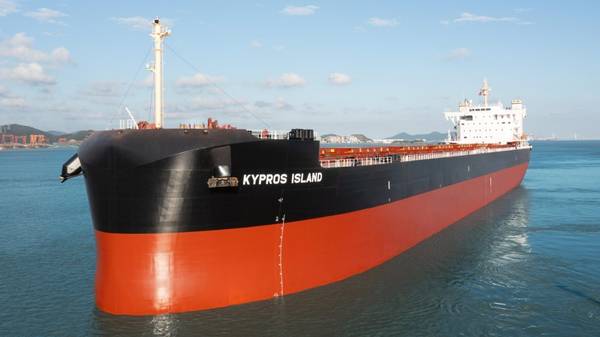
Kypros Island vessel. Tsuneishi delivers first methanol dual-fuel Kamsarmax bulk carrier from Chinese yard  

Shipbuilder claims progress towards establishing a mass-production system for vessels designed to reduce environmental impact.


↑  Back to Top