
|
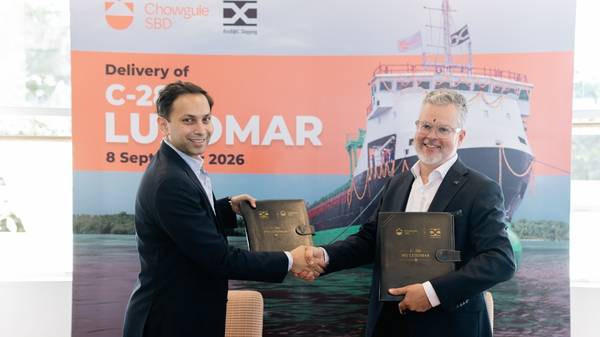
ESL Shipping completes Green Coaster fleet with delivery of twelfth vessel Luxomar
Baltic dry bulk carrier has finalised a twelve-vessel plug-in hybrid coaster programme built in India. |
|
|
|
||
|
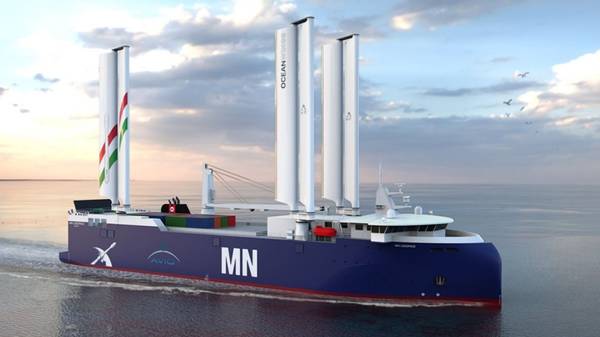
Compagnie Maritime Nantaise orders hybrid ro-ro vessel for European space cargo runs
French shipping company commissions wind-assisted vessel with biofuel capability to serve growing European space industry. |
|
|
|
||
|
HMM signs KRW 4.7 trillion long-term iron ore contract with Vale
Latest contract backed by tri-fuel Newcastlemax newbuilds capable of operating on methanol, ethanol and conventional marine fuel. |
|
|
|
||
|
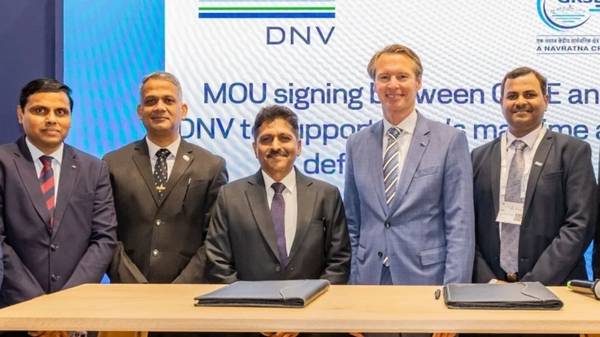
DNV and India’s GRSE sign MoU on green propulsion and advanced shipbuilding
The agreement covers alternative fuels, digital technologies and defence vessel development. |
|
|
|
||
|
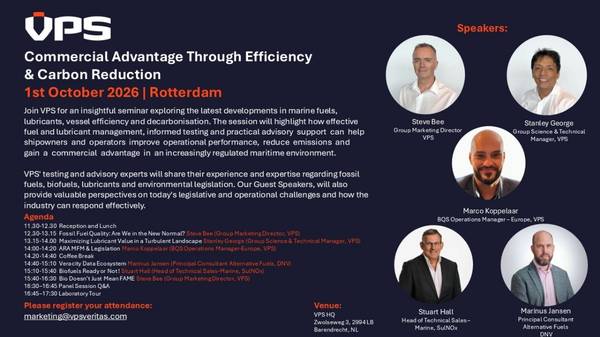
VPS to host Dutch seminar on marine fuel quality, lubricants and decarbonisation
Free-to-attend event will bring together speakers from VPS, DNV and SulNOx. |
|
|
|
||
|
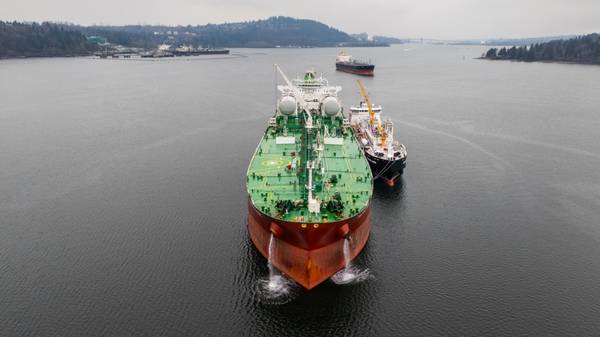
LNG bunker fleet may need to more than double by 2030, DNV warns
Classification society says bunkering infrastructure investment must accelerate to match LNG shipping growth. |
|
|
|
||
|
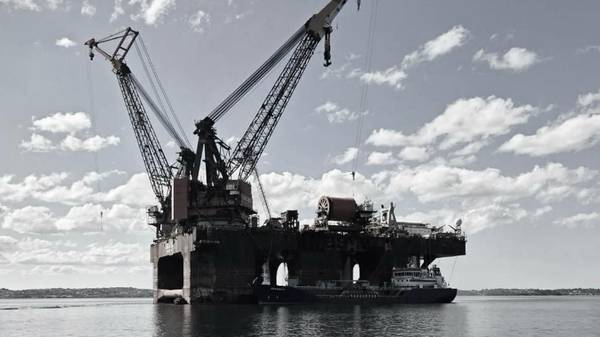
Burando Energies completes first physical bunker operation in Norway
Marine fuel supplier delivers to Heerema's semi-submersible crane vessel Balder in Åmøyfjorden. |
|
|
|
||
|
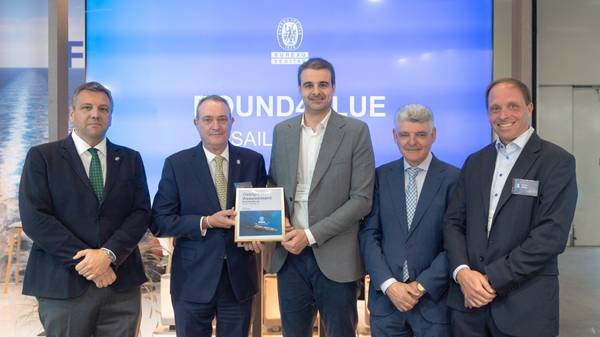
Bound4blue wins Bureau Veritas design assessment for Model 3-24 eSAIL at SMM 2026
Independent design assessment adds credibility as bound4blue’s suction sail fleet reaches 13 vessels. |
|
|
|
||
|
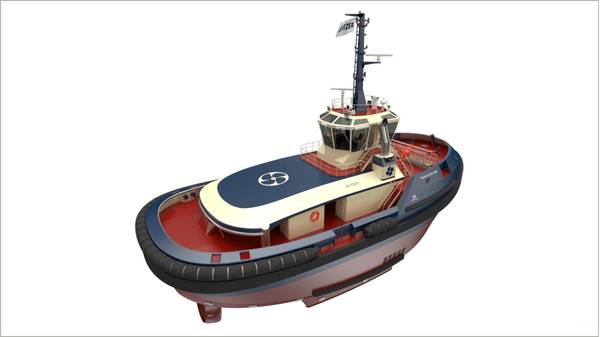
Svitzer orders six TRAnsverse 2900 biofuel-ready tugs from Cheoy Lee
Towage provider expands next-generation TRAnsverse fleet with fresh Hong Kong order. |
|
|
|
||
|
UK shipping bodies launch alternative fuels coalition to drive net zero transition
New cross-industry body aims to align fuels, infrastructure and policy for shipping decarbonisation. |
|
|
|
||
| WFS posts dip in Q2 net income [News & Insights] |
| World Fuel Services in ship arrest incident [News & Insights] |
| WFS posts 13% rise in Q1 net income [News & Insights] |
| Record year for World Fuel Services in 2011 [News & Insights] |
| Compagnie Maritime Nantaise orders hybrid ro-ro vessel for European space cargo runs [News & Insights] |
| HMM signs KRW 4.7 trillion long-term iron ore contract with Vale [News & Insights] |
| Svitzer orders six TRAnsverse 2900 biofuel-ready tugs from Cheoy Lee [News & Insights] |
| Everllence and Damen sign framework agreement for serial supply of 175D engines [News & Insights] |
| IINO Lines signs time charter deal with BGN for LPG dual-fuel VLGC [News & Insights] |

