
| Month | Average($/mt) | Low | High |
| May 12 | 663 | 619.00 | 720.00 |
| Apr 12 | 715 | 705.00 | 734.00 |
| Mar 12 | 727 | 718.00 | 740.00 |
| Feb 12 | 725 | 710.00 | 739.00 |
| Jan 12 | 722 | 689.00 | 737.00 |
| Dec 11 | 661 | 625.00 | 684.00 |
| Nov 11 | 682 | 655.00 | 713.00 |
| Oct 11 | 660 | 625.00 | 690.00 |
| Sep 11 | 644 | 620.00 | 669.00 |
| Aug 11 | 645 | 623.00 | 684.00 |
| July 11 | 659 | 632.00 | 681.00 |
| June 11 | 647 | 620.00 | 677.00 |
| May 11 | 633 | 608.00 | 670.00 |
| Apr 11 | 669 | 650.00 | 685.00 |
| Mar 11 | 633 | 622.00 | 645.00 |
| Feb 11 | 606 | 562.00 | 668.00 |
| Jan 11 | 534 | 507.00 | 560.00 |
| Dec 10 | 498 | 492.00 | 506.00 |
| Nov 10 | 482 | 462.00 | 508.00 |
| Oct 10 | 462 | 451.00 | 473.00 |
| Sep 10 | 436 | 429.00 | 448.00 |
| Aug 10 | 441 | 422.00 | 465.00 |
| Jul 10 | 434 | 412.00 | 450.00 |
| Jun 10 | 435 | 418.00 | 450.00 |
| May 10 | 452 | 406.00 | 498.00 |
| Apr 10 | 480 | 458.00 | 497.00 |
| Mar 10 | 459 | 447.00 | 473.00 |
| Feb 10 | 456 | 434.00 | 473.00 |
| Jan 10 | 481 | 455.00 | 508.00 |
| Dec 09 | 463 | 438.00 | 490.00 |
| Nov 09 | 464 | 447.00 | 477.00 |
| Oct 09 | 440 | 412.00 | 465.00 |
| Sep 09 | 426 | 408.00 | 442.00 |
| Aug 09 | 437 | 418.00 | 452.00 |
| Jul 09 | 407 | 381.00 | 437.00 |
| Jun 09 | 398 | 385.50 | 422.00 |
| May 09 | 343 | 294.00 | 382.00 |
| Apr 09 | 289 | 256.00 | 308.00 |
| Mar 09 | 244 | 225.00 | 272.00 |
| Feb 09 | 257 | 235.00 | 278.00 |
| Jan 09 | 258 | 235.00 | 288.00 |
| Dec 08 | 232 | 214.00 | 260.00 |
| Nov 08 | 235 | 205.00 | 295.00 |
| Oct 08 | 406 | 268.00 | 575.00 |
| Sep 08 | 610 | 530.00 | 714.00 |
| Aug 08 | 671 | 617.00 | 728.00 |
| Jul 08 | 718 | 665.00 | 763.00 |
| Jun 08 | 629 | 573.00 | 681.00 |
| May 08 | 580 | 524.00 | 635.00 |
| Apr 08 | 523 | 491.00 | 545.00 |
|
Propeller Fuels and Proteus Supply and Trading form commercial partnership to expand Americas coverage
US-based Proteus and UK-based Propeller Fuels unite operations across the Americas and beyond. |
|
|
|
||
|
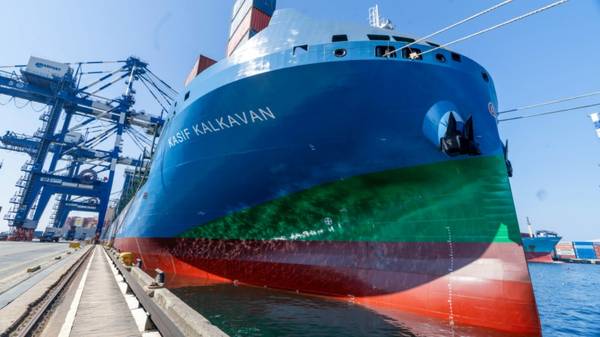
Turkon Line’s LNG-powered Kaşif Kalkavan makes maiden call at Marport
Türkiye’s largest domestically built LNG-fuelled container ship has docked at Marport for the first time. |
|
|
|
||

|
Flex Commodities appoints Vinoth Kumar as general accountant
Dubai-based bunker trader strengthens finance team with new accounting hire. |
|
|
|
||
|
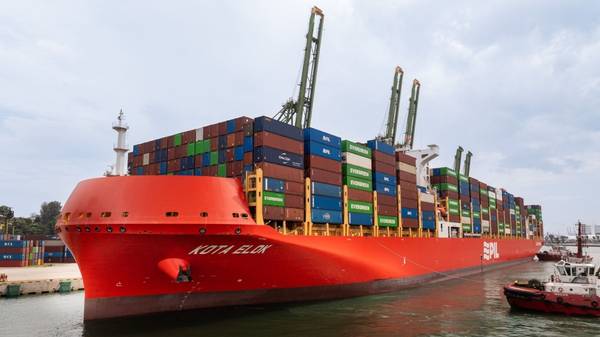
PIL's first LNG dual-fuel boxship receives cybersecurity certification on Singapore maiden call
Pacific International Lines' 13,000-teu vessel Kota Elok becomes the first PIL ship certified to IACS cyber-resilience standards. |
|
|
|
||
|
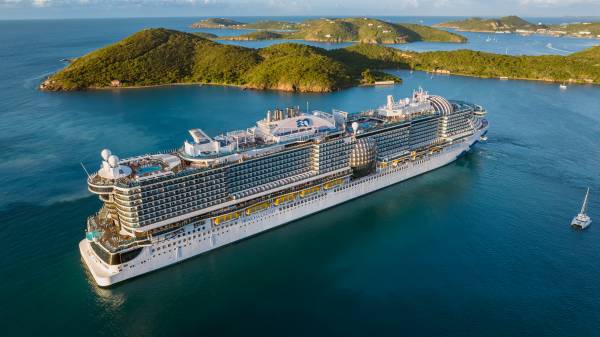
Wärtsilä and Carnival Corporation sign 8-year lifecycle agreement for LNG-fuelled cruise vessels
Deal covers four vessels across the Princess Cruises and Carnival Cruise Line fleets. |
|
|
|
||
|
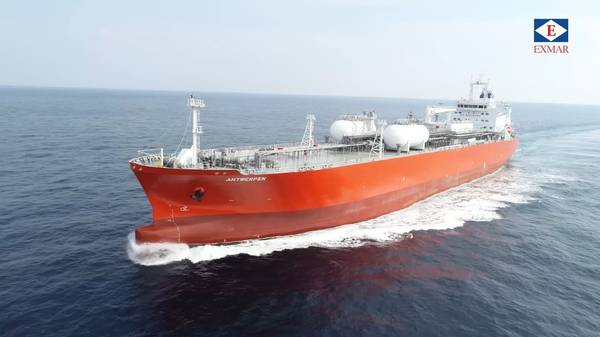
Exmar vessel completes first commercial voyage on ammonia dual-fuel
Antwerpen sailed from China to India using ammonia in dual-fuel mode during commercial service. |
|
|
|
||
|
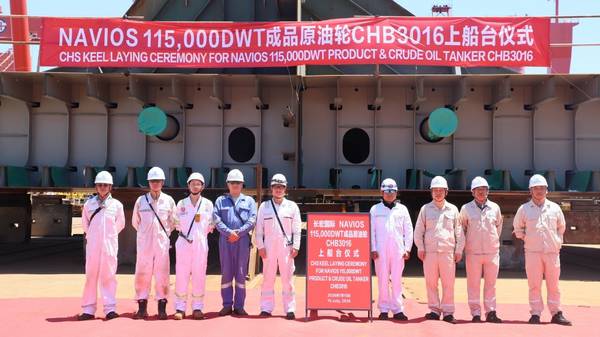
Changhong International launches ninth LR2 tanker in Navios series
Vessel includes future methanol and LNG conversion capability as well as shore power provision. |
|
|
|
||
|
European shipowners back EU ETS revenue earmarking but warn proposal falls short on clean technology support
ECSA welcomes fuel support and revenue earmarking but calls for broader technology eligibility and a clear IMO withdrawal clause. |
|
|
|
||

|
WSC backs EU ETS fuel revenue reinvestment but warns over port competitiveness rules
The World Shipping Council welcomes proposed ETS fuel mechanism changes but flags concerns over neighbouring port proposals. |
|
|
|
||
|
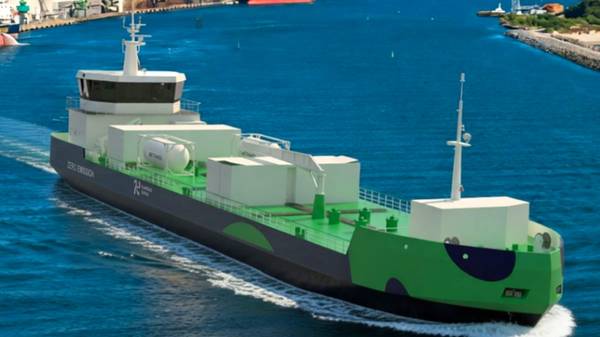
Western Baltic Engineering unveils green methanol bunkering vessel concept for Klaipėda
Concept vessel design features an 800-tonne capacity and annual supply potential of 250,000 tonnes. |
|
|
|
||

