Fri 13 Apr 2012, 15:54 GMT

Carnival to save fuel with system upgrade


Cruise line is set to improve the fuel efficiency of 20 vessels by up to 4 percent.


Power and automation technology group ABB has won a long-term service contract from Carnival Corporation to maintain and upgrade ABB's Azipod equipment over the next 15 years for 20 ships in their fleet, cutting costs by as much as $1 million a year per ship.

Carnival is the world's largest cruise ship operator and has 20 cruise vessels with Azipod propulsion systems. ABB's energy efficient Azipod is said to use less fuel than traditional systems, providing improved manoeuvrability in all operating conditions. The upgrades are projected to improve the already high energy efficiency of Azipod units by 2.5 to 4 percent.

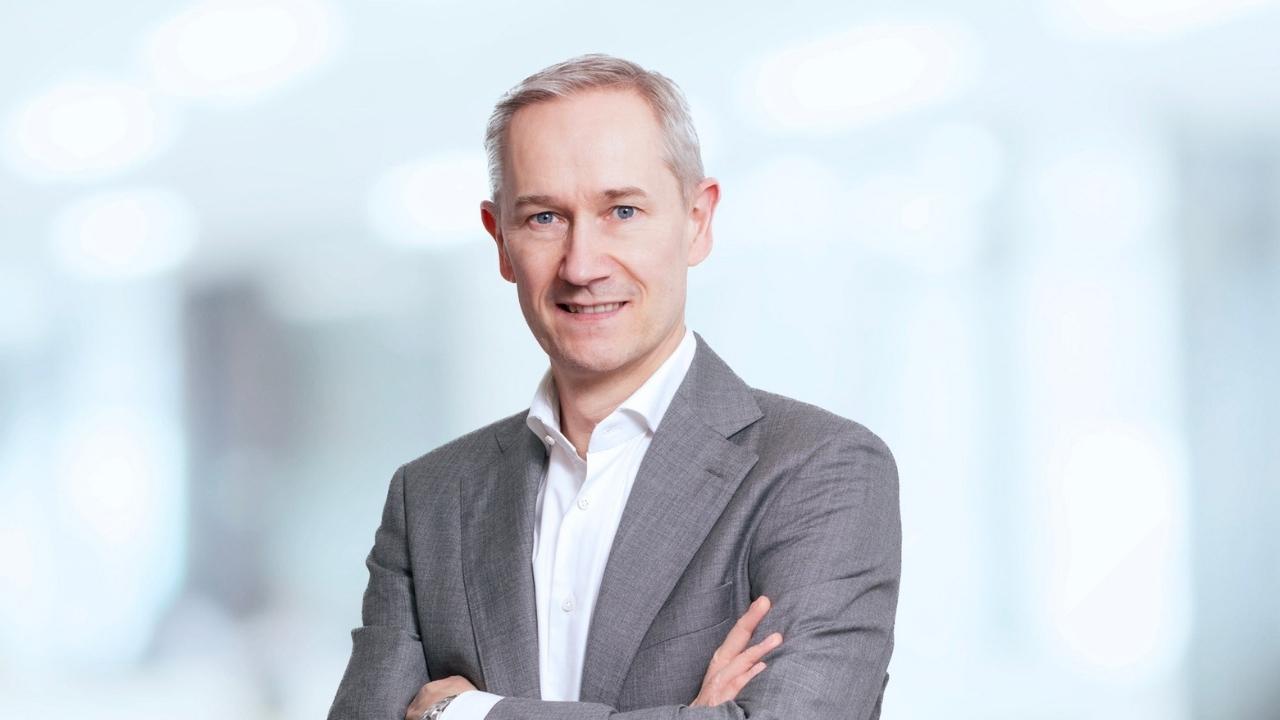
"Customers in all industries are looking at ways to reduce overall lifecycle costs and make such costs more predictable, while continuing to improve equipment performance," said Veli-Matti Reinikkala, head of ABB's Process Automation division. "We provide a full portfolio of services, including ongoing technology upgrades and dependable maintenance support to help extend the life of equipment, and ensure that it runs at the highest energy efficiency levels possible."

The service contract covers technology and energy efficiency upgrades for all Azipod systems and propulsion condition monitoring for all ships, and other system equipment maintenance.

The contract includes technology upgrades such as the newly designed Azipod optimized fin shape, which receives water flow from the propeller at a new, less acute angle that redirects the flow more efficiently and Azipod Dynamic Optimizer, a software tool designed to control the pod toe angle and provide greater fuel savings for large vessels.

Suezmax crude oil tanker render. Guangzhou Shipyard secures Suezmax order, delivers vessels ahead of schedule  

China State Shipbuilding subsidiary reports nine vessel deliveries in the first quarter of 2026.

Clean ammonia project pipeline chart as of March 2026. Renewable ammonia pipeline grows despite Norway project freeze  

GENA Solutions tracks 325 projects totalling 146 MMT of capacity by 2034 despite execution challenges.

Antwerpen and Arlon naming ceremony. Exmar names world’s first ocean-going ammonia dual-fuel gas carriers in South Korea  

Two 46,000-cbm vessels can reduce CO₂ emissions by up to 90% during navigation.

Fujian province map with highlighted locations. Gulf Marine expands bonded lubricant supply network in China’s Fujian province  

Company adds supply points in Putian, Ningde and Fuqing, covering 20 terminals across the region.

Excelerate Acadia naming ceremony. Bureau Veritas classifies Excelerate Energy’s new 170,000-cbm FSRU Excelerate Acadia  

Vessel built by HD Hyundai Heavy Industries features dual-fuel engines and proprietary regasification system.

Osprey Energy logo. Osprey Energy seeks junior bunker trader to support Cebu trading activities from Netherlands  

Dutch marine fuel supplier targets Cebu region expansion through new training programme for Filipino candidates.

EUA prices dropping graphic. KPI OceanConnect highlights falling EUA prices as opportunity for shipowners to lock in compliance costs  

Marine fuel firm says timing carbon allowance purchases can reduce costs as EU emissions scope expands.

RINA employee in control room. RINA partners with Hanwha Group on battery-hybrid propulsion for ro-ro ferries  

Classification society to provide regulatory compliance verification for hybrid battery systems on newbuilds and retrofits.

Amadeus Titanium vessel. HGK Shipping’s Amadeus Titanium fitted with wind assistance system  

Coastal vessel equipped with VentoFoils at Dutch port to reduce fuel consumption on Covestro routes.

Sebastian Weder, Bunker One. Bunker One expands physical supply operations to Tallinn and Finland  

Marine fuel supplier extends Baltic Sea coverage with new operational presence in Estonia and Finland.