
|
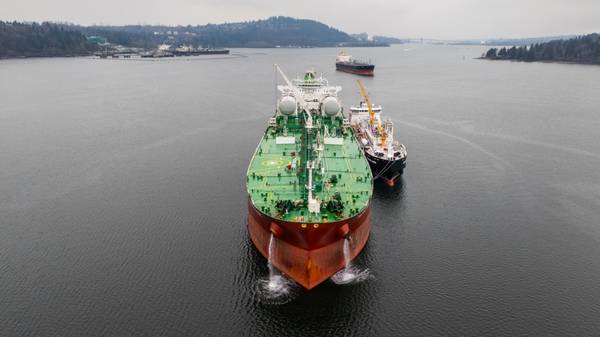
Low-GHG methane could keep LNG-capable fleet compliant as regulations tighten, DNV paper argues
Biomethane and e-methane offer a compliance pathway for LNG-capable ships, says DNV. |
|
|
|
||
|
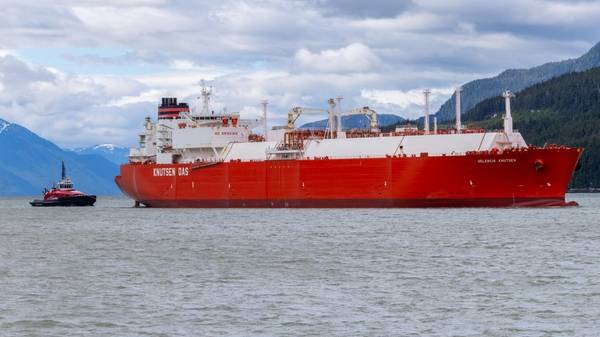
HaiSea's fleet of electric and dual-fuel tugboats completes 100th LNG carrier escort into Kitimat
The Haisla Nation and Seaspan joint venture marks one year of LNG carrier escort operations in British Columbia. |
|
|
|
||

|
Naming ceremony held for LNG dual-fuel VLCC Mount Vision
Crude oil tanker named in ceremony held in China. |
|
|
|
||
|
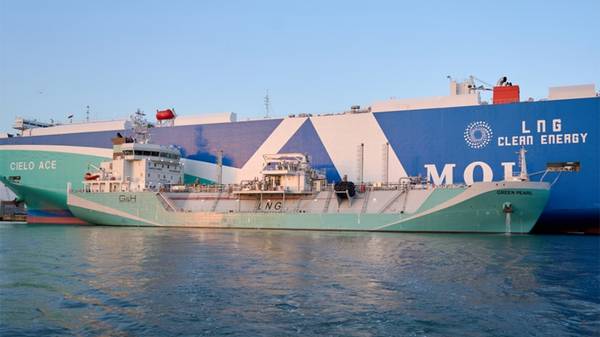
MOL signs bio-LNG supply deals for car carriers across Northern Europe and Mediterranean
Japanese shipping group expands bio-LNG bunkering to Spanish ports as part of its net-zero strategy. |
|
|
|
||
|
Dan-Bunkering launches two-year trainee programme for aspiring marine fuel traders
Bunker firm is recruiting trainees for an August 2026 start across its European offices. |
|
|
|
||

|
Chevron hiring London-based marine fuels marketer with renewable fuels remit
Applications open until 30 June for role involving the marketing of physical bunker fuels with a focus on Europe. |
|
|
|
||
|
Burando Energies seeks operator to support Rotterdam bunkering activities
New hire will be responsible for planning, coordinating and monitoring operational activities across the firm's bunkering business. |
|
|
|
||
|
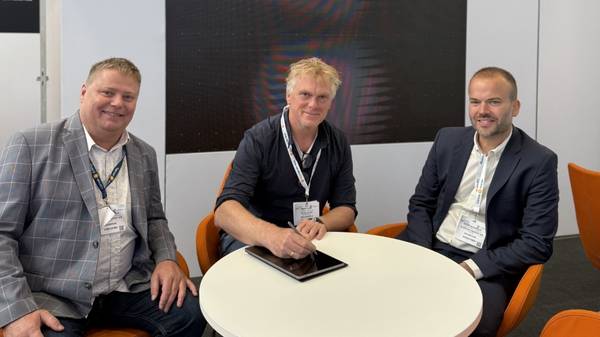
Corvus Energy to supply battery systems for two new Scylla Shipping river cruise vessels
Norwegian battery supplier extends its partnership with Swiss river cruise operator Scylla Shipping. |
|
|
|
||
|
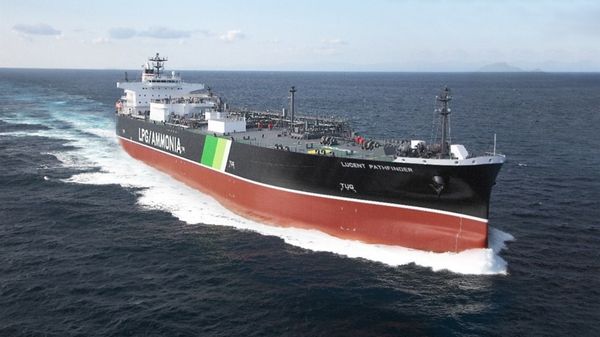
NYK signs time-charter deal for two dual-fuel LPG-powered VLGCs
Singapore subsidiary will provide gas carriers to carry Louisiana-produced ammonia to Japan. |
|
|
|
||
|
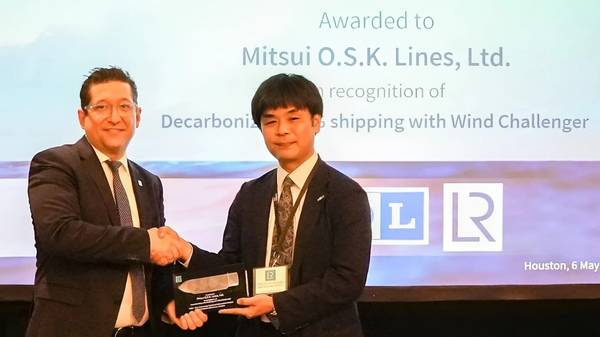
MOL wins LR technology award for wind-assisted propulsion on LNG carriers
Lloyd’s Register honours Mitsui O.S.K. Lines for its Wind Challenger decarbonisation work. |
|
|
|
||
| IBIA opens voting for board elections with 11 candidates competing for four positions [News & Insights] |
| Compagnie Maritime Nantaise wins Bpifrance backing for space logistics vessel decarbonisation project [News & Insights] |
| Galveston LNG Bunker Port signs vessel partnership with TOTE Services [News & Insights] |
| NYK operates methanol-fuelled bulk carrier for BHP, claims 65% emissions cut [News & Insights] |
| Anemoi Marine Technologies appoints Lloyd’s Register technical director to oversight committee [News & Insights] |

