Tue 31 Jan 2012, 13:54 GMT

Regulating ships in Hong Kong - progress and incentives


Think tank calls on Hong Kong to 'seize the opportunity' and regulate quickly.


Regulating ships in Hong Kong - progress and incentives
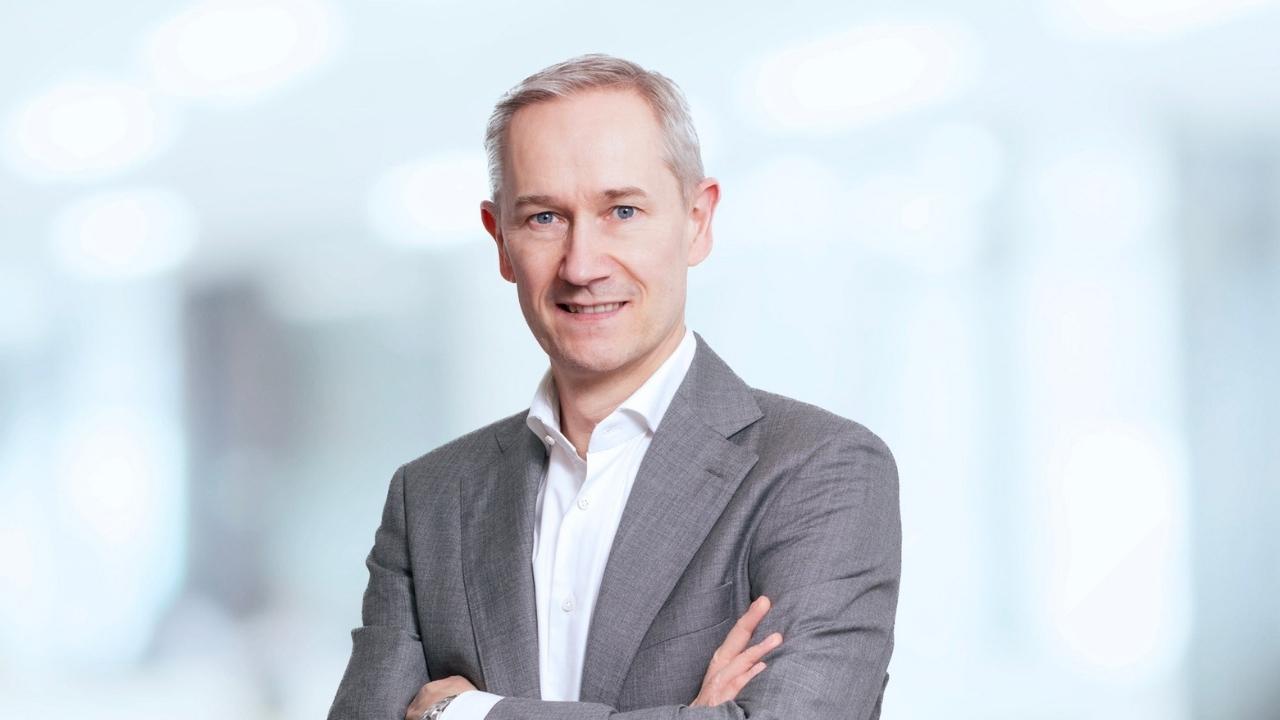
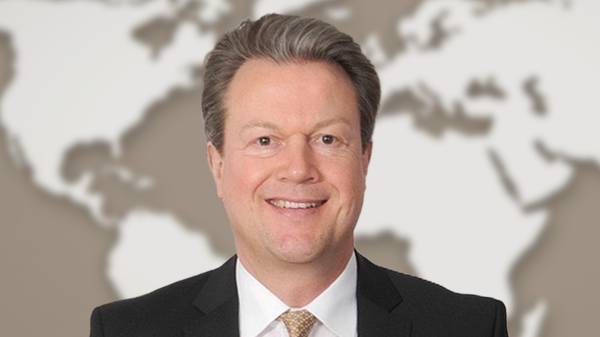
By Veronica Booth [pictured], Civic Exchange

The Hong Kong Environmental Protection Department (EPD) recently presented proposals to reduce emissions from vessels to improve air quality in Hong Kong at an Environmental Affairs Panel meeting in Hong Kong’s Legislative Council in December 2011. This is a positive step towards regulation in Hong Kong and the Pearl River Delta (PRD) region more generally.

These proposals include regulation for ocean-going vessels (OGVs, like container ships and cruise ships) while they are at berth in Hong Kong; regional regulation across the PRD through exploring an "Emission Control Area"; and using cleaner fuel for smaller vessels such as barges, tug boats and ferries.

Improving Hong Kong's air quality is a pressing issue, and on the Hong Kong public's mind, given recent news that Hong Kong's nitrogen dioxide levels are the worst they have ever been. Air quality improvements need to start happening now, and quickly.

Timing is a particular concern for leading shipping lines in Hong Kong participating in the Fair Winds Charter, the world’s first and only shipping industry-led, voluntary, at-berth, unsubsidized fuel switch, which is halfway through its 2 year run. An industry association estimated that, to switch the most container vessels to a cleaner fuel would cost USD50 million annually to switch most container vessels calling at Hong Kong.

The EPD has indicated that since the Charter began in January 2011, emissions have dropped from OGVs. EPD is clearly moving towards proposing regulation. But regulation takes time to come into effect. So the question becomes, how do we maintain the gains made from this ambitious initiative between the Charter’s end, and when regulation comes into force?

One way may be to incentivize shipping lines to continue to switch until that time. This could have the added bonus of attracting shipping lines that haven’t joined the Charter to operate at a higher standard more quickly.

The World Port Climate Initiative administers the Environmental Ship Index, (ESI), which covers NOx, SOx and CO2 and is designed to improve the environmental performance of ships. It gives points for ships performing beyond current regulation. The ESI scale runs from 0 to 100, with 0 being ships that comply with current regulation, and ships that perform better than current regulation score points.

The ESI gives emissions at port a heavier weighting to reflect the public health impact they have while close to people. Several ports have been using the ESI to offer subsidies to shipping lines that exceed regulation. The Port of Antwerp is using the ESI to identify ships eligible for a 10 percent discount on tonnage dues with an ESI rating of over 31. Similarly, Hamburg and Rotterdam give a discount of up to 10 percent for ships with an ESI rating over 20.

Other ports have adopted other criteria to incentives ships to be cleaner. Port Metro Vancouver’s EcoAction Program is a three-tiered award and subsidy scheme to encourage ships to switch to cleaner fuel. The ports of Los Angeles and Long Beach similarly had recognition and incentives to switch to cleaner fuel, before the current tighter regulation came into place. This program required vessels to slow down to 12 knots while approaching the ports, and switch their auxiliary engines to a distillate fuel while at berth. The financial incentive covered the cost difference between the bunker fuel and distillate fuel used.

Singapore is the only port in Asia incentivizing vessels to exceed regulations by reducing emissions. Until 2015, ships are eligible for a 15 percent reduction in port dues if they reduce emissions by using a fuel with a sulphur content of 1 percent or less (the global standard is 3.5 percent), or an abatement technology such as a scrubber, which would reduce SO2 emissions by an equivalent amount.

So options abound for the Hong Kong government to maintain the good work started by the shipping industry. The task is now to seize the opportunity during this time of transition, and to regulate quickly.

Image: Veronica Booth - Senior Project Manager at Hong Kong-based public policy think tank Civic Exchange. She has been the principal investigator and stakeholder convenor for the "Green Harbours Community" since it was formed in 2008.


Suezmax crude oil tanker render. Guangzhou Shipyard secures Suezmax order, delivers vessels ahead of schedule  

China State Shipbuilding subsidiary reports nine vessel deliveries in the first quarter of 2026.

Clean ammonia project pipeline chart as of March 2026. Renewable ammonia pipeline grows despite Norway project freeze  

GENA Solutions tracks 325 projects totalling 146 MMT of capacity by 2034 despite execution challenges.

Antwerpen and Arlon naming ceremony. Exmar names world’s first ocean-going ammonia dual-fuel gas carriers in South Korea  

Two 46,000-cbm vessels can reduce CO₂ emissions by up to 90% during navigation.

Fujian province map with highlighted locations. Gulf Marine expands bonded lubricant supply network in China’s Fujian province  

Company adds supply points in Putian, Ningde and Fuqing, covering 20 terminals across the region.

Excelerate Acadia naming ceremony. Bureau Veritas classifies Excelerate Energy’s new 170,000-cbm FSRU Excelerate Acadia  

Vessel built by HD Hyundai Heavy Industries features dual-fuel engines and proprietary regasification system.

Osprey Energy logo. Osprey Energy seeks junior bunker trader to support Cebu trading activities from Netherlands  

Dutch marine fuel supplier targets Cebu region expansion through new training programme for Filipino candidates.

EUA prices dropping graphic. KPI OceanConnect highlights falling EUA prices as opportunity for shipowners to lock in compliance costs  

Marine fuel firm says timing carbon allowance purchases can reduce costs as EU emissions scope expands.

RINA employee in control room. RINA partners with Hanwha Group on battery-hybrid propulsion for ro-ro ferries  

Classification society to provide regulatory compliance verification for hybrid battery systems on newbuilds and retrofits.

Amadeus Titanium vessel. HGK Shipping’s Amadeus Titanium fitted with wind assistance system  

Coastal vessel equipped with VentoFoils at Dutch port to reduce fuel consumption on Covestro routes.

Sebastian Weder, Bunker One. Bunker One expands physical supply operations to Tallinn and Finland  

Marine fuel supplier extends Baltic Sea coverage with new operational presence in Estonia and Finland.