
 |
ReFlow has launched a digital Lifecycle Emissions Assessment Tool designed to help shipowners evaluate decarbonisation strategies by simulating a vessel's complete environmental impact from production through operation.
The platform, developed with support from Danish Shipping and several Danish shipping companies, allows users to model different scenarios including alternative fuel types, technology upgrades, and energy-efficiency measures across a vessel's entire lifecycle.
"Data-driven green transition" is the goal of the tool, according to Rasmus Elsborg-Jensen, CEO of ReFlow. The company claims the standard model will enable shipowners to explore various decarbonisation pathways while balancing environmental and economic considerations.
The shipping industry faces the challenge of achieving climate-neutral operations by 2050, requiring companies to make complex decisions about fuel choices and technology investments.
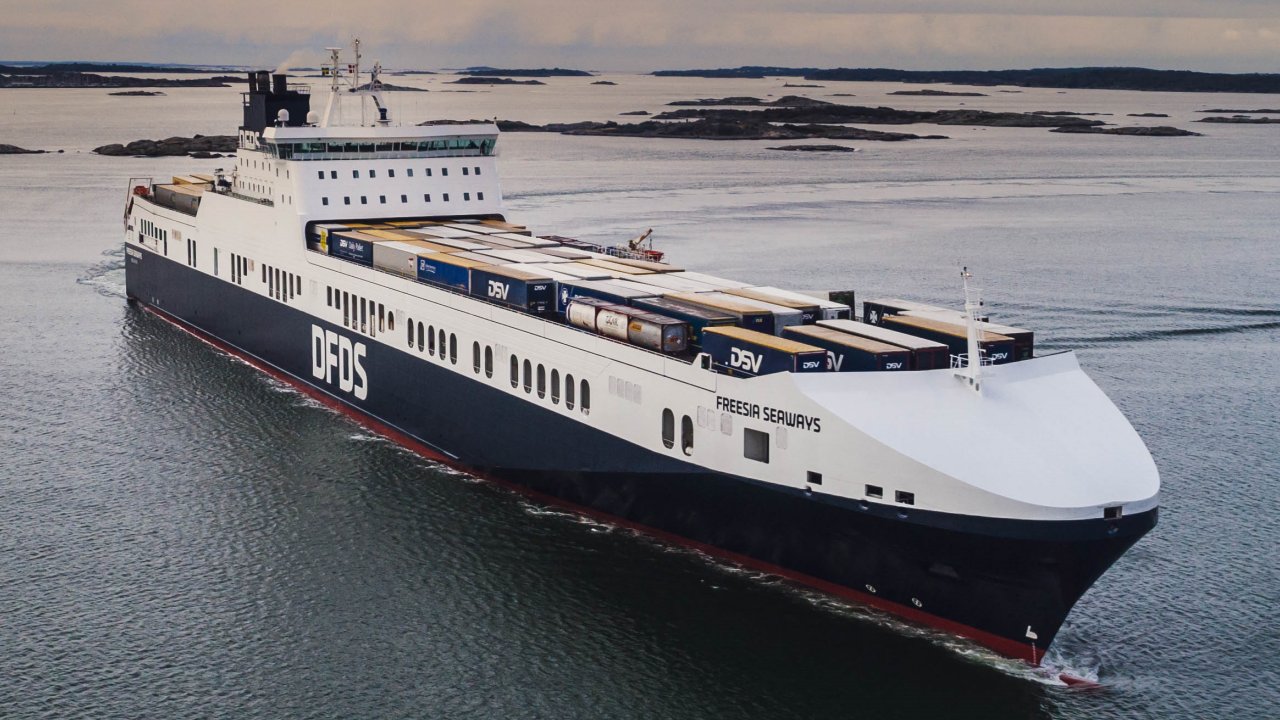
Cecilie Damgaard Jensen, decarbonisation analyst at DFDS, highlighted the tool's potential for assessing upstream emissions from vessel production: "I believe the tool holds huge potential for having a simple way of estimating the upstream emissions from vessel production. We will be looking into it more when we look at new fuels especially, because the production side becomes more important."
The project began in 2023 with funding from the Danish Maritime Fund. Nina Porst, executive director of climate, environment, and security at Danish Shipping, said the organisation prioritised developing a tool covering the complete vessel lifecycle that would be operational and useful for members' decarbonisation processes.ReFlow served as technical lead for the digital model development, while Danish Shipping acted as project facilitator and administrator.
The tool was developed in cooperation with A.P. Moller-Maersk, Navigator Gas, DFDS, Uni-Tankers, Torm, Cadeler, Svitzer, and ZITON.
The Danish Maritime Fund supported the project, with a full project report available through the fund's website.
|
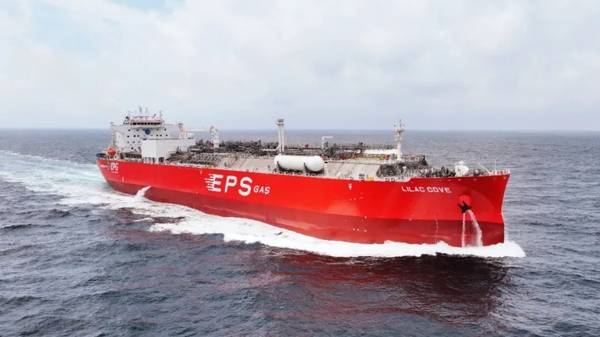
Jiangnan delivers second LPG dual-fuel VLAC in series to Singapore’s EPS
Lilac Cove, the world’s largest liquid ammonia carrier, joins Ivy Cove as Jiangnan advances its six-ship VLAC programme. |
|
|
|
||
|
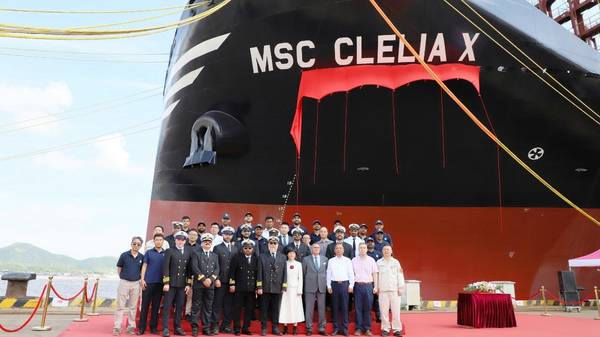
MSC LNG dual-fuel container ship delivered almost a year early
Chinese shipbuilder hands over sixth 10,300-TEU vessel in series to MSC ahead of contract schedule. |
|
|
|
||
|
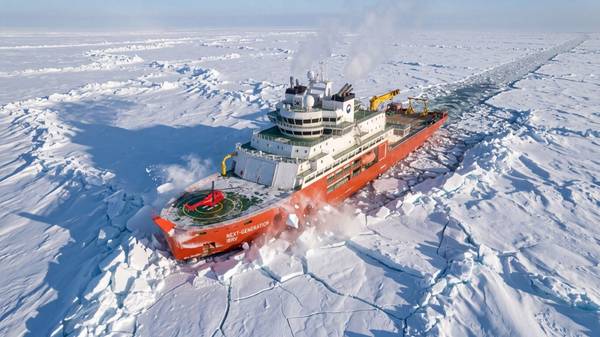
Steel cutting marks start of construction on dual-fuel icebreaking research vessel
Hanwha Ocean begins building a dual-fuel LNG/MGO icebreaker for the Republic of Korea’s Ministry of Oceans and Fisheries, due for delivery in 2030. |
|
|
|
||
|
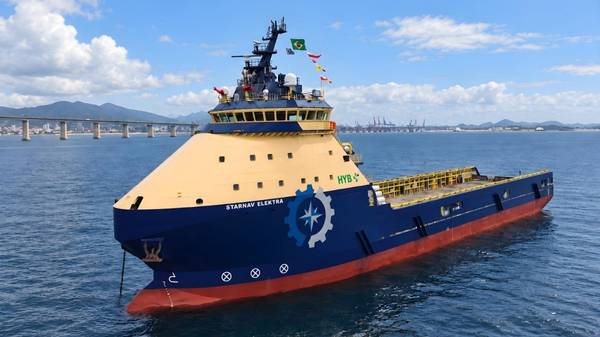
Petrobras christens first vessel under Mar Aberto fleet renewal programme
Platform supply vessel Starnav Elektra, built in Santa Catarina with an all-female crew, marks the first delivery under the fleet initiative. |
|
|
|
||
|
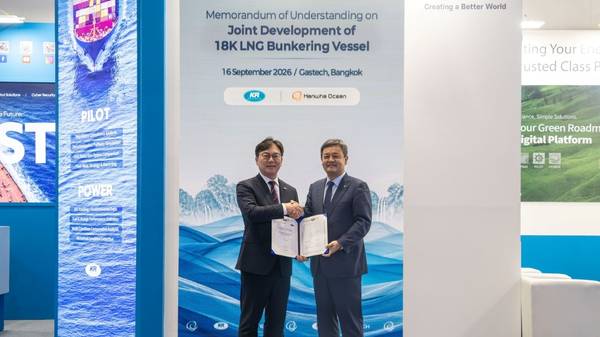
KR and Hanwha Ocean agree to develop 18,000-cbm LNG bunkering vessel designs
Pair will jointly explore two design concepts for a new LNG bunkering vessel. |
|
|
|
||
|
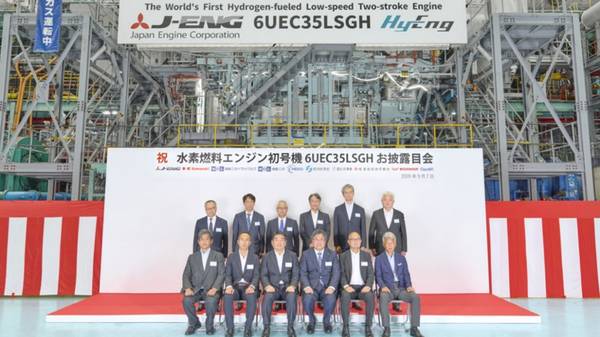
Japan Engine completes land-based testing of landmark hydrogen-fuelled engine for large vessels
Hydrogen co-firing rate of at least 95% achieved during factory testing. |
|
|
|
||
|
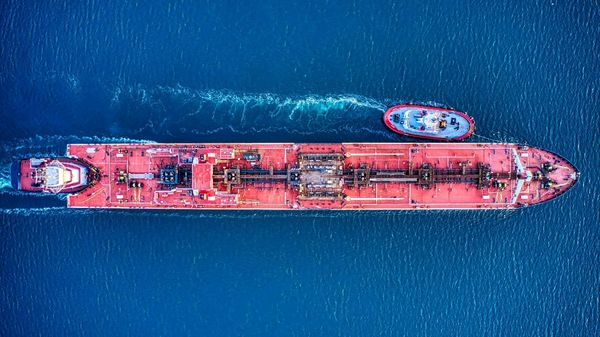
Ethanol edges into shipping’s fuel mix as methanol crossover eases adoption barriers
Rising interest from cargo owners, shared technology with methanol and Brazilian production growth push ethanol beyond regional niche status. |
|
|
|
||
|
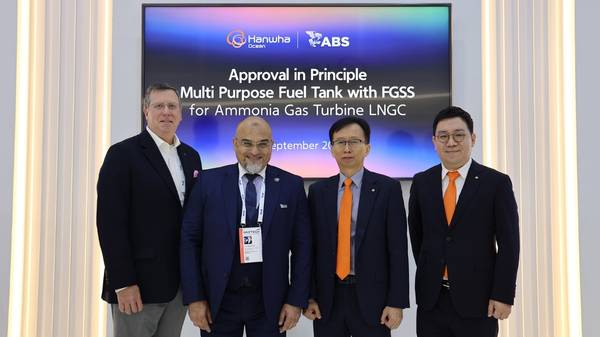
ABS grants Hanwha Ocean approval for dual-fuel tank enabling LNG-to-ammonia switch
In-principle approval awarded for fuel tank and supply system enabling LNG carriers to convert to ammonia without replacement. |
|
|
|
||
|
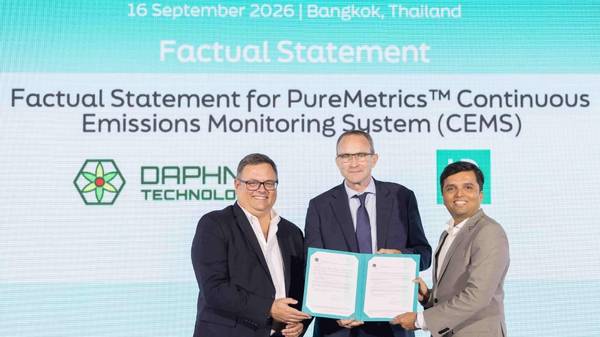
Lloyd's Register confirms suitability of Daphne Technology's emissions monitoring system
Factual Statement validates the PureMetrics design for monitoring greenhouse gas emissions from marine engines. |
|
|
|
||

|
IMO issues shipboard biofuel blend checklist developed by IBIA
Checklist for FAME-based biofuels formally incorporated into IMO document, supporting crews handling biofuel blends for the first time. |
|
|
|
||
| Panama Canal launches NetZero Slot to incentivize low-emission transits [News & Insights] |
| Rystad Energy study finds LNG marine fuel emissions 25% lower than EU default [News & Insights] |
| Maersk retrofits 200 time-chartered vessels to cut fuel costs and emissions [News & Insights] |
| Furetank launches emissions trading company to capitalize on FuelEU Maritime regulation [News & Insights] |
| GTT Energy launches new LNG fuel tank design for container ships [News & Insights] |
| LNG dual-fuel crude oil tankers launched for Maran and Capital Ship [News & Insights] |
| Fincantieri launches Viking Astrea with liquid-hydrogen propulsion at Ancona shipyard [News & Insights] |
| World's first operational ammonia bunker vessel enters service [News & Insights] |
| Trelleborg and Simwave launch LNG transfer equipment training programme at Gastech 2026 [News & Insights] |
