|
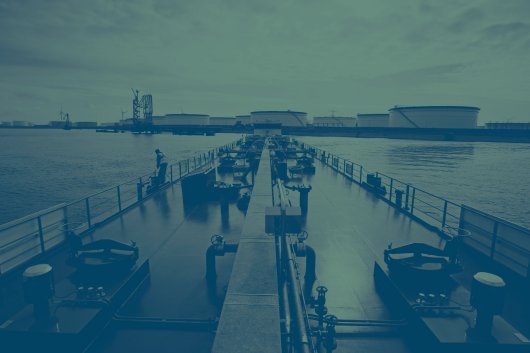
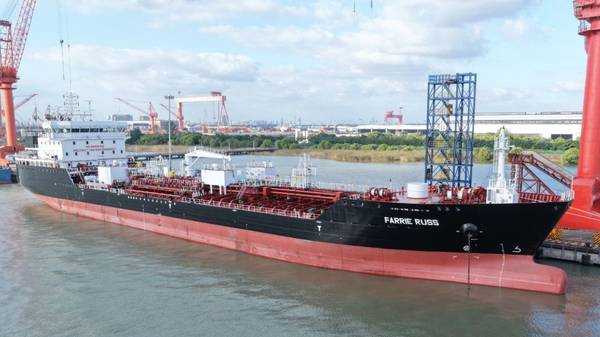
Ernst Russ takes delivery of second methanol-ready tanker
Farrie Russ joins Ernst Russ’s fleet as the shipowner diversifies into tanker shipping. |
|
|
|
||
|
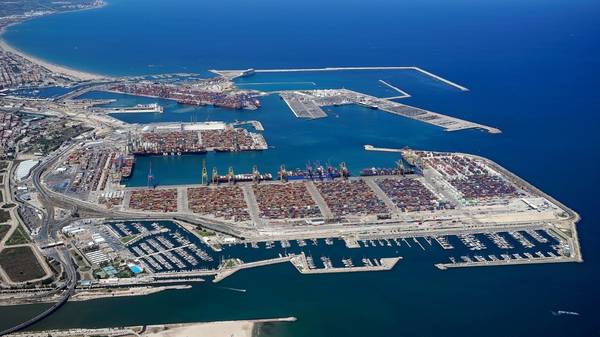
Valenciaport launches tender for second substation to double port's power capacity
The Port of València's new €18.7m substation will support onshore power supply systems and growing terminal electricity demand. |
|
|
|
||
|
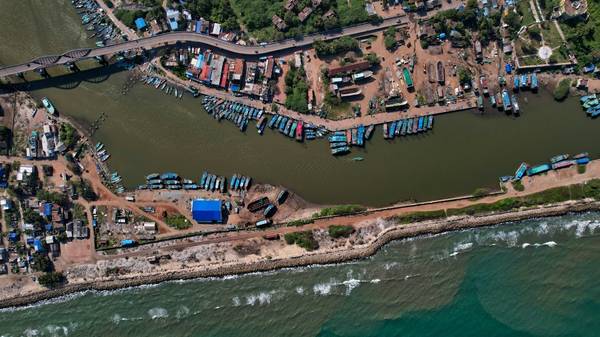
Study maps phased pathway for India to build a regional alternative marine fuel hub
India could compete regionally across biofuels, methanol and ammonia if ports improve efficiency and reduce costs, study finds. |
|
|
|
||
|
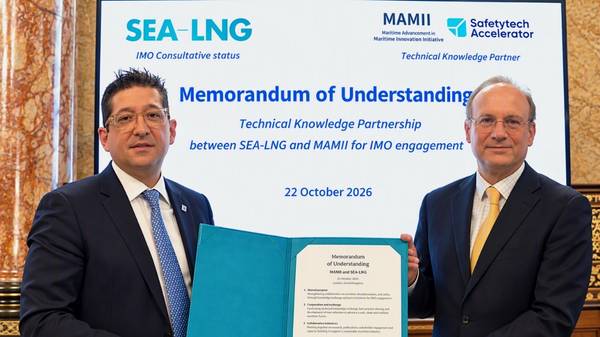
SEA-LNG and MAMII formalise technical partnership ahead of IMO methane talks
Two organisations sign MoU to strengthen evidence-based input on methane emissions at the IMO. |
|
|
|
||
|
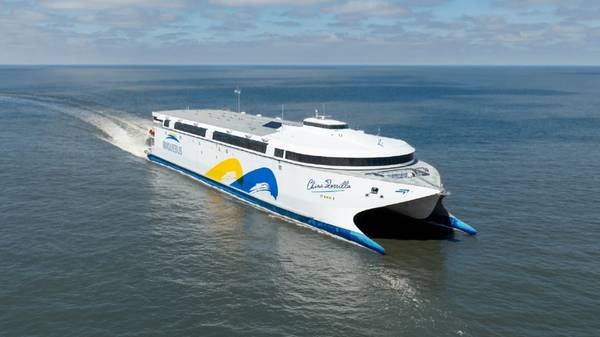
Battery-powered ferry China Zorrilla enters service in South America
Ro-pax vessel now operating between Argentina and Uruguay, powered by more than 41 MWh of Corvus Energy battery systems. |
|
|
|
||
|
Monjasa shuffles leadership across Asia and West Africa trading desks
Morten Jacobsen steps down as managing director for Asia, with Simone Piredda relocating from Dubai to take the helm in Singapore |
|
|
|
||
|
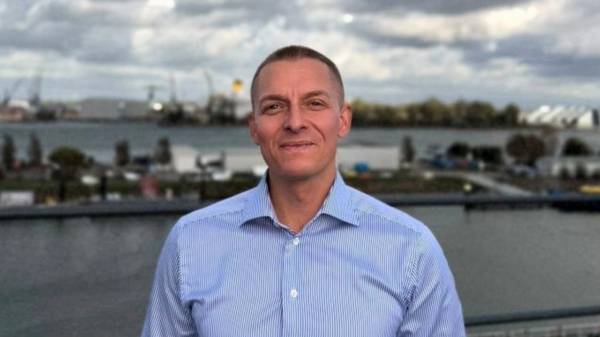
Burando Energies appoints Tue Jensen as head of market risk
Dutch marine fuels specialist bolsters its risk function amid international growth plans. |
|
|
|
||
|
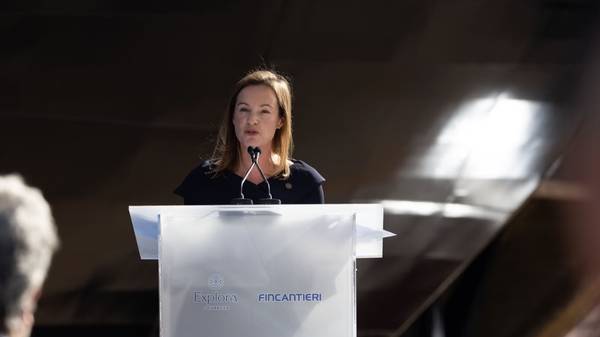
Fincantieri floats out Explora V and marks coin ceremony for Explora VI
Two ceremonies at Sestri Ponente shipyard advance construction of MSC's six-ship Explora Journeys fleet. |
|
|
|
||

|
BP advertises for senior physical bunker trader to oversee Europe and Africa marine business
London-based trader is required to manage pricing, accounts and strategy across its marine fuels operation. |
|
|
|
||
|
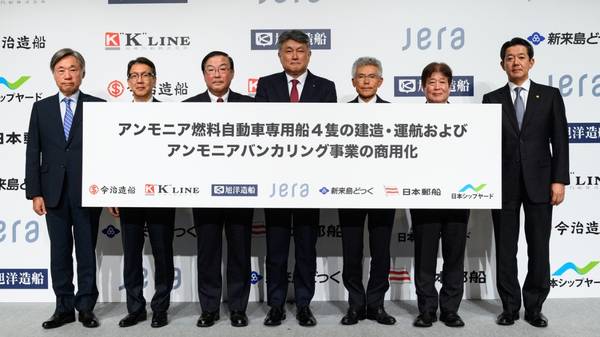
Seven Japanese firms join forces on ammonia-fuelled car carrier project
NYK, K Line and five other companies plan to build four ammonia-fuelled car carriers alongside a dedicated bunkering vessel and supply chain. |
|
|
|
||
| Vitol Bunkers launches HSFO supply in Pakistan after four-year hiatus [News & Insights] |
| Vitol launches Pakistan bunker operations with first large-scale IMO-compliant fuel production [News & Insights] |
| Avenir LNG begins construction of second 20,000 cbm bunkering vessel in China [News & Insights] |
| ExxonMobil enters LNG bunkering with two vessels planned for 2027 [News & Insights] |
| Cockett to be closed down after 45 years [News & Insights] |