Finnish firm
Wärtsilä has announced that it is collaborating with
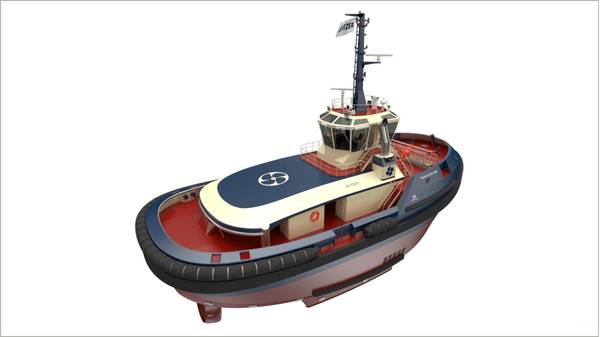
Ship Architects, Inc., USA, to develop a new environmentally sound towboat concept.
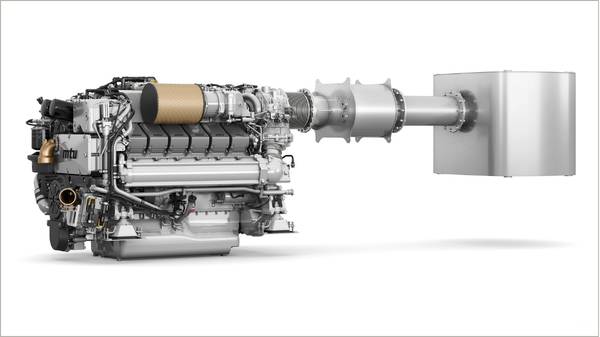
The two companies, which have together developed a concept of towboat design that employs Wärtsilä 20DF and 34DF dual fuel engines for propulsion, intend to cooperate in a new project to design a vessel that is powered by liquefied natural gas (LNG).
Commenting on the news,
Joe Comer, President of Ship Architects, Inc. said: "It has been clear to our company for quite a while that the river towboat industry is one whose needs match the answers that natural gas provides. With that in mind, our architects made a conceptual design to create a leading technology river towboat. It is based on the use of clean LNG as its propulsion fuel, and we are very pleased for Wärtsilä's co-operation in making this possible."
Wärtsilä is a leader in developing dual-fuel technology that allows its propulsion solutions to be operated on a variety of fuel types, including clean natural gas. Its technology enables the towboats of US rivers to be powered by engines that comply with current and future environmental legislation, while creating operational cost savings for the operators.
US firm Ship Architects specializes in providing shipyards and owners with technical solutions in conceptual and detailed vessel design, project management, and other associated services.
According to Wärtsilä, the key driver behind the project was the US
Environmental Protection Agency's (EPA) lowering of sulphur content levels. The EPA's limits are already tighter than the global standards, and call for a maximum sulphur content of just one percent already this year.
Wärtsilä said the bottleneck to the adoption of these new standards is the limited refining capacity for low-sulphur fuel. "Not only is this creating a shortage of supply, but the demand is also leading to substantially higher fuel prices, which in turn is impacting the operational revenues of the operators," the company said in a statement.
Fortunately, the USA is rich in natural gas resources. This means that natural gas is abundant, secure, available, and affordable at relatively low prices.
John Hatley, Vice President, Ship Power, Wärtsilä in North America, noted that: "This is an exciting time of change for the towboat industry, with natural gas powered engines providing a huge step forward. Wärtsilä is very pleased to be working to make this key player in America's transportation system, both 'greener' and more economically viable."
"The inland river towboats of North America have been built to essentially the same design for the past 65 years or more. The accepted norms for propulsion, hull design characteristics, engine, and particularly fuel selection, have continued unchanged from one decade to the next. That is, until now," Wärtsilä said.