
|
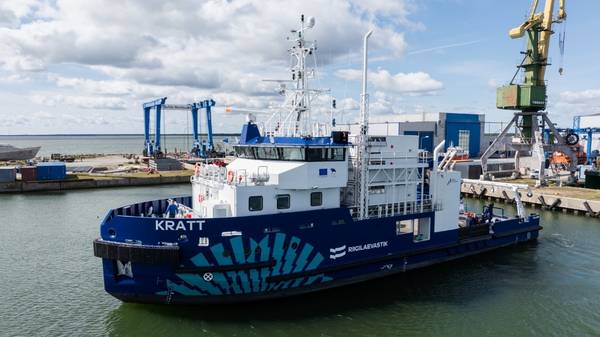
Estonia launches biomethane-battery workboat for state fleet
38-metre KRATT is said to be the first vessel of its kind in the region. |
|
|
|
||
|
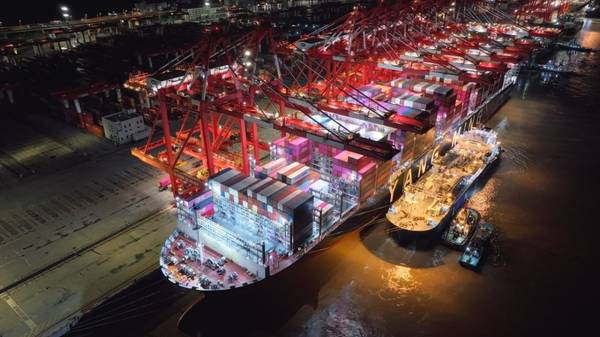
Yang Ming completes first LNG SIMOPS bunkering for YM Willpower in Shanghai
Dual-fuel boxship receives 2,000 tonnes of LNG during simultaneous cargo operations. |
|
|
|
||
|
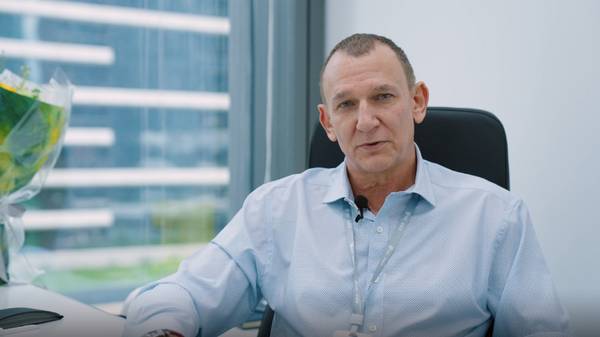
AYK Energy and Gebhard Electro secure two vessel electrification contracts
A new dredger and a patrol vessel retrofit form the latest battery projects for the duo. |
|
|
|
||
|
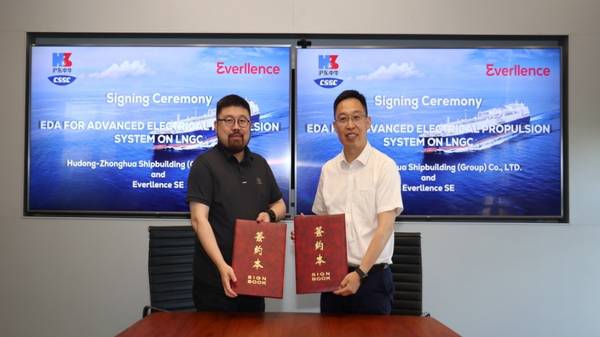
Everllence and Hudong-Zhonghua sign engineering design agreement for LNG carrier development
Agreement covers 180,000-cbm LNG carrier featuring a hybrid-electric propulsion system. |
|
|
|
||
|
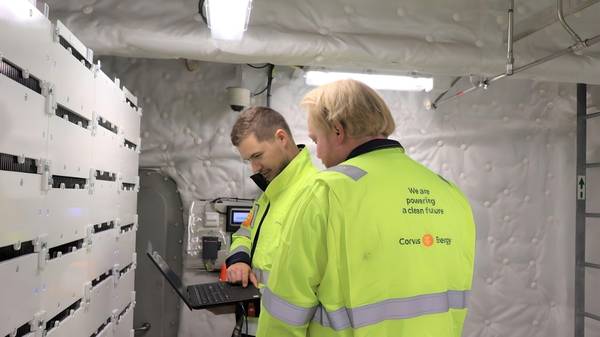
Corvus Energy partners with Belga Marine to support Brazil’s battery-powered offshore fleet
Norway-based energy storage firm expands aftermarket service network into Brazil’s growing offshore market. |
|
|
|
||
|
Singapore Shipping Association updates biofuels bunkering FAQ for 2026
SSA releases latest edition of its biofuel bunkering guidance document for the Port of Singapore. |
|
|
|
||
|
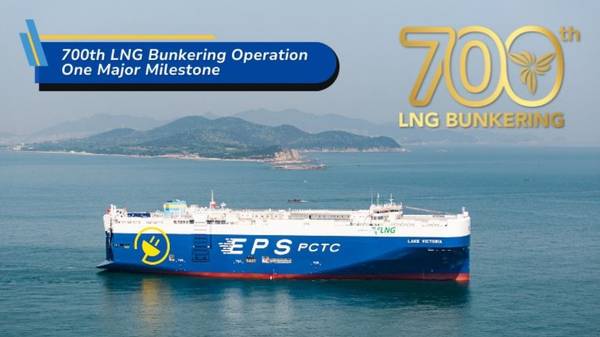
Eastern Pacific Shipping reaches 700th LNG bunkering operation
Singapore-based shipowner logs nearly 3 million cbm of LNG bunkered over nearly six years. |
|
|
|
||
|
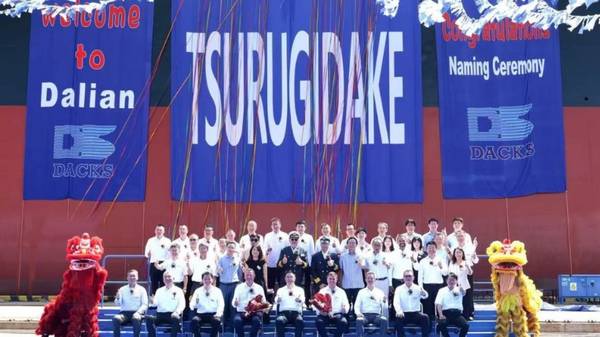
MOL holds naming ceremony for fourth LNG dual-fuel VLCC
Vessel, named Tsurugidake, features an LNG fuel tank with a capacity exceeding 10,000 cbm. |
|
|
|
||
|
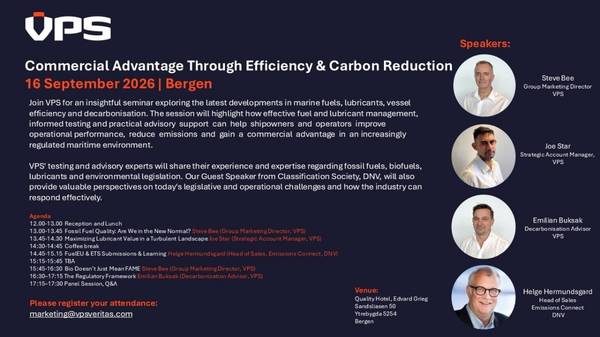
VPS to host Bergen seminar on marine fuel quality, lubricants and decarbonisation regulation
Free-to-attend event on September 16 will feature speakers from VPS and DNV. |
|
|
|
||
|
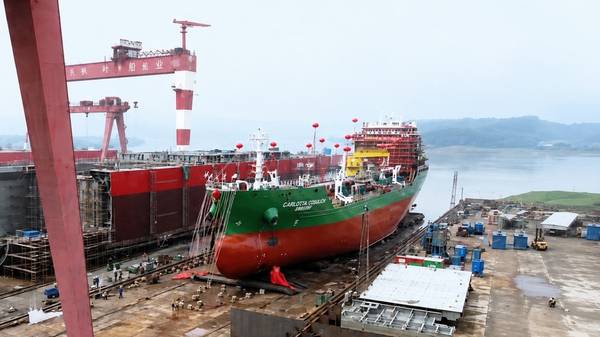
Cosulich Marine Energy launches third methanol-ready bunker tanker in China
Carlotta Cosulich launched at Taizhou Maple Leaf Shipyard, leaving one vessel in series still to come. |
|
|
|
||
| Matrix Bharat to supply at Kochi in July [News & Insights] |
| One year on: ChemoilAdani making its mark in India [News & Insights] |
| CPCL could double bunker volumes at Chennai [News & Insights] |
| Chemoil to supply in Chennai in '09 [News & Insights] |
| CMA CGM adds LNG-powered Syracuse vessel to fleet under French flag [News & Insights] |
| Hong Kong completes first green methanol SIMOPS bunkering operation [News & Insights] |
| Yang Ming completes first LNG SIMOPS bunkering for YM Willpower in Shanghai [News & Insights] |
| WinGD launches high-pressure LNG dual-fuel engine for container ships [News & Insights] |
| Methanol-powered container ship is named CMA CGM D’Artagnan [News & Insights] |

