
|
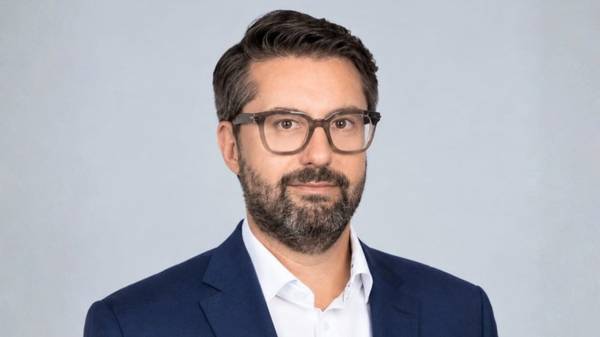
Flex Commodities appoints Christos Doulaveris as general manager for Greece
Bunker trader strengthens its Greek operations with a new leadership appointment. |
|
|
|
||
|
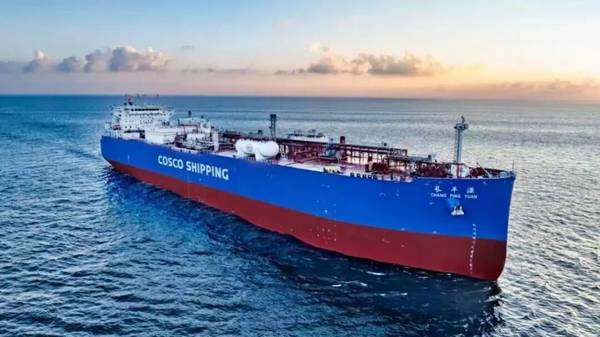
China delivers first domestically built VLGC under Chinese flag
Cosco Shipping’s new 88,000-cbm gas carrier features an LPG dual-fuel main engine. |
|
|
|
||
|
Electric and hybrid ferries could cut Sea of Marmara emissions by 63%, IMO study finds
A GreenVoyage2050 study finds that electrification could slash emissions, avoid €492 million in damage costs and support jobs. |
|
|
|
||
|
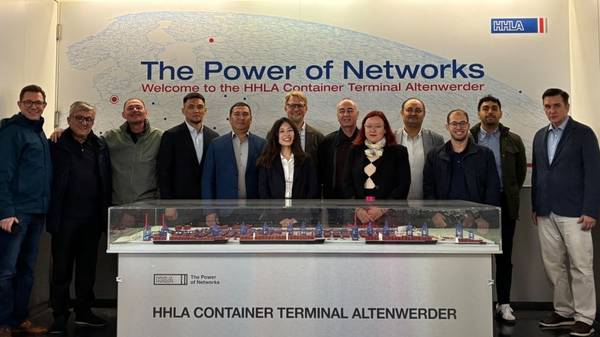
Batumi Sea Port officials study decarbonisation practices in Hamburg
Georgian port representatives visited Hamburg to study emissions accounting, hydrogen technology and automation ahead of their 2026 recertification audit. |
|
|
|
||
|
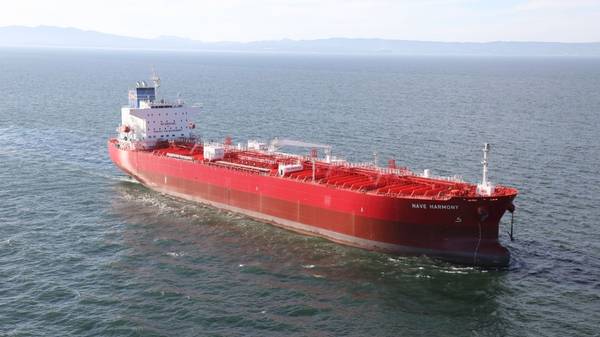
Navios Partners takes delivery of methanol-ready MR2 tanker Nave Harmony
Shipowner adds 49,998-DWT newbuild product tanker equipped with methanol-ready technology. |
|
|
|
||
|
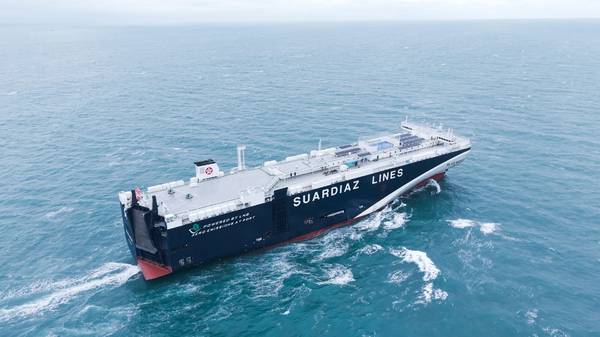
Eastern Pacific Shipping delivers LNG dual-fuel PCTC to Suardiaz
RS Atlantico is the first mid-sized 5,500-CEU car carrier built through the EPS–Suardiaz partnership. |
|
|
|
||
|
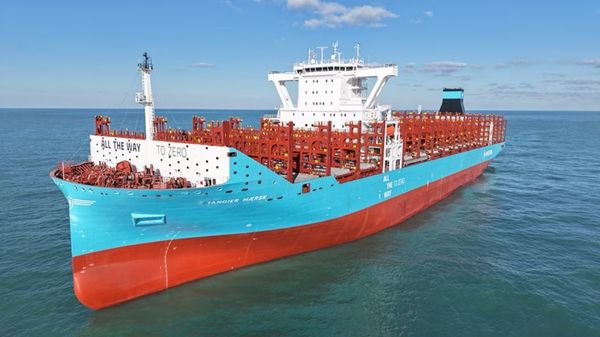
Maersk completes first US ethanol bunkering of a deep-sea container ship
Shipper tests US-produced corn ethanol as a marine fuel aboard the Tangier Maersk. |
|
|
|
||
|
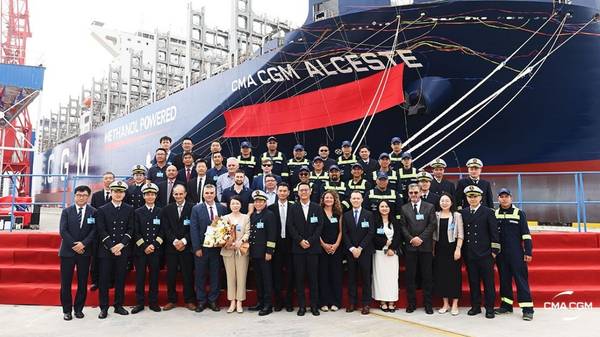
CMA CGM names methanol-powered vessel after Molière’s Alceste
Ship features a MAN B&W 8G85ME two-stroke engine configured to run on conventional marine fuel and methanol. |
|
|
|
||
|
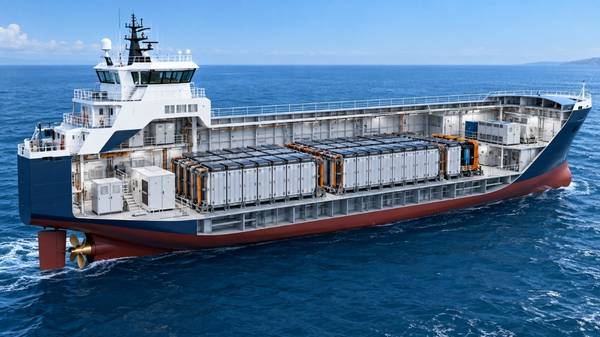
Why batteries still cannot power ships across oceans
Battery-electric ships dominate short-sea routes, but energy-density and infrastructure constraints keep deep-sea propulsion out of reach. |
|
|
|
||

|
VPS to run marine fuel management course in Singapore
Two-day programme in November covers fuel handling, testing and decarbonisation rules, including a laboratory tour. |
|
|
|
||
| Asia's first fuel switch programme [News & Insights] |
| Fuel switch unit gets GL type approval [News & Insights] |
| Fuel-switching program to start in August [News & Insights] |
| Maersk Line to get $1.5m clean fuel reimbursement [News & Insights] |
| Maersk completes first US ethanol bunkering of a deep-sea container ship [News & Insights] |
| Maersk completes first US ethanol bunkering of a deep-sea container ship [News & Insights] |
| CMA CGM names methanol-powered vessel after Molière’s Alceste [News & Insights] |
| Why batteries still cannot power ships across oceans [News & Insights] |
| Changhong International launches eighth LNG dual-fuel container ship for MSC [News & Insights] |

