
|
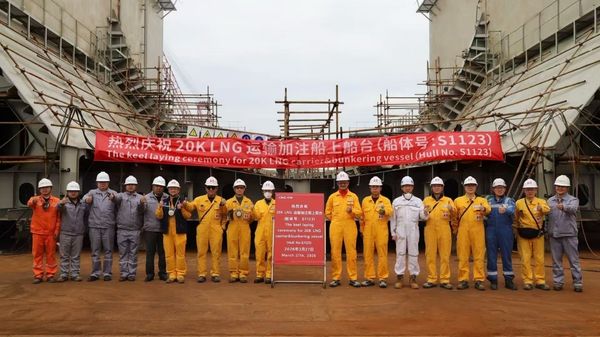
Avenir lays keel for new LNG carrier and bunkering vessel
Marine fuel supplier has commenced construction of Hull No. S-1123 as part of its newbuild programme. |
|
|
|
||
|
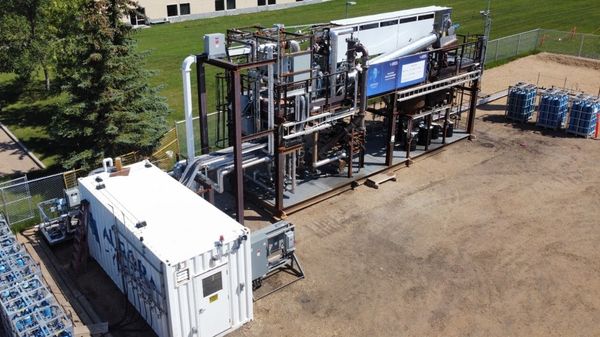
Aurora Hydrogen secures $3m from Oldendorff Overseas Investments for hydrogen production
Investment advances microwave-driven methane pyrolysis technology that produces hydrogen from natural gas. |
|
|
|
||
|
Corvus Energy and Beyonder sign MoU to develop maritime battery systems
Norwegian companies to explore next-generation energy storage solutions for shipping sector decarbonisation. |
|
|
|
||
|
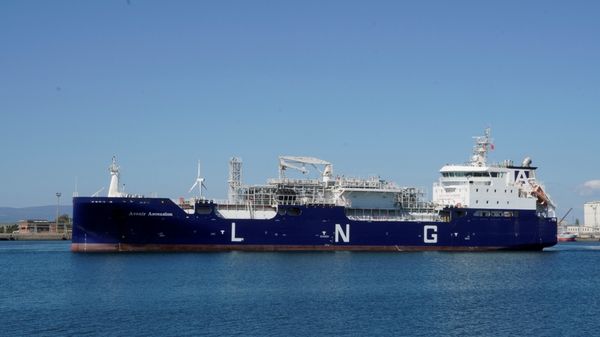
Anew Climate and Avenir complete first joint bio-LNG bunkering in Europe
Partnership delivers waste-based bio-LNG from Lithuania to Swedish ferry operator via Klaipėda terminal. |
|
|
|
||
|
Flex Commodities changes legal suffix from DMCC to FZCO under Dubai naming framework
Administrative change aligns marine fuel trader with new UAE free zone company naming conventions. |
|
|
|
||
|
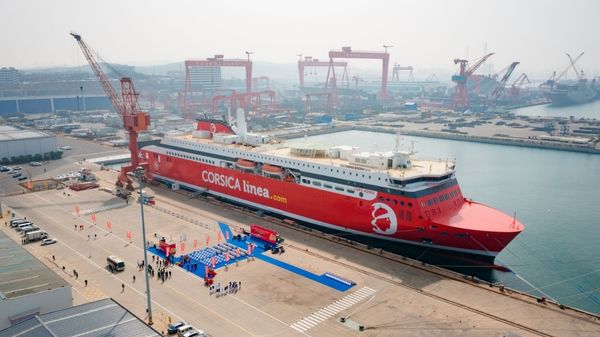
Stena RoRo takes delivery of 13th E-Flexer vessel from Chinese shipyard
Capu Rossu handed over to Corsica Linea for Marseille-Corsica route starting mid-June. |
|
|
|
||

|
Titan Clean Fuels signs e-methane supply deal with TURN2X for 2028 delivery
Bunker supplier to receive e-methane from Spanish production plant for distribution across European ports. |
|
|
|
||
|
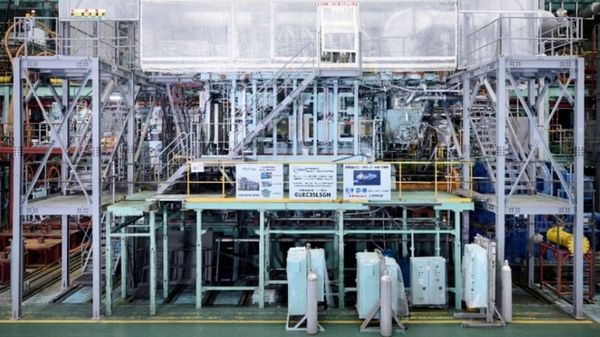
Japan consortium achieves hydrogen co-firing in main engine for large commercial vessel
Engine reaches over 95% hydrogen co-firing ratio, with installation planned for 2027. |
|
|
|
||
|
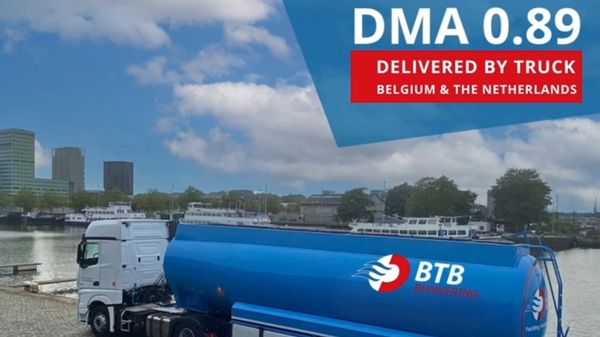
Belgian Trading & Bunkering expands DMA 0.89 truck deliveries in ARA region
BTB extends marine fuel offerings with truck-based deliveries to meet maritime market demand. |
|
|
|
||
|
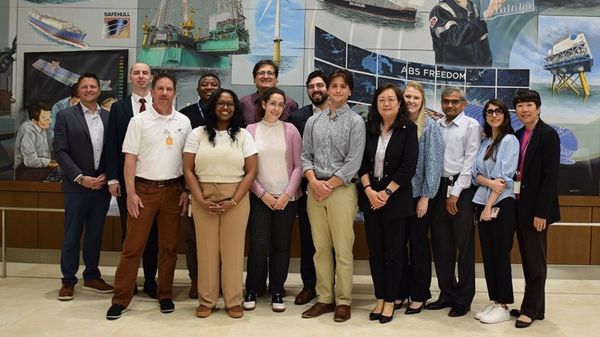
ABS convenes roundtable on offshore power barge for Great Lakes emissions reduction
Meeting brought together ports, academia and industry to advance shore power solution under EPA programme. |
|
|
|
||
| Amendments to MARPOL Convention adopted [News & Insights] |
| Study says EEDI baseline should represent entire range [News & Insights] |
| 2025 Marine Fuel Review | Steve Bee, VPS [News & Insights] |
| DNV and WMMF release guide to help shipowners navigate path to net-zero [News & Insights] |
| Keel laid for 298,000-dwt LNG dual-fuel VLCC [News & Insights] |
| Norwegian Car Carriers' LNG dual-fuel, ammonia-ready PCTC is named [News & Insights] |
| Bound4blue installs first wind propulsion sails on Maersk Tankers vessel [News & Insights] |

