
 |
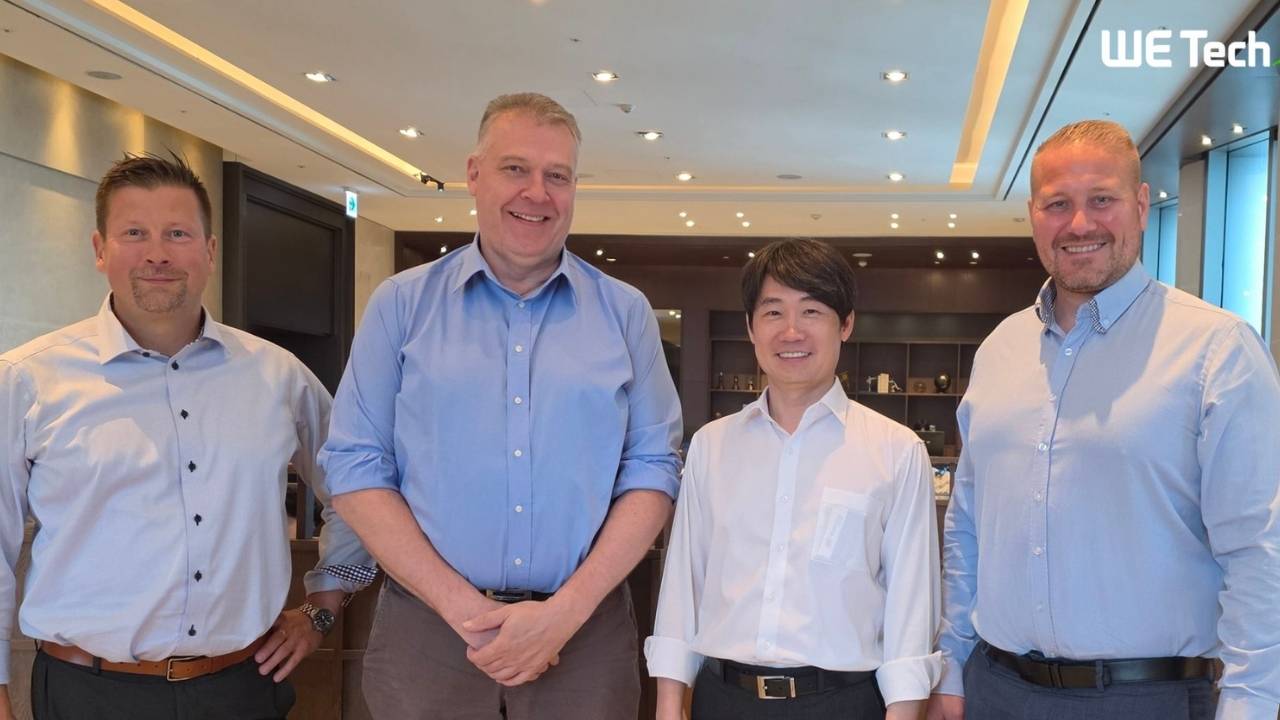
South Korean marine technology company Vinssen Co., Ltd. has signed a memorandum of understanding (MoU) with Finnish marine electrification solutions provider WE Tech Solutions Oy, with the aim of jointly developing and marketing integrated marine electrification systems across Europe and Asia.
The agreement establishes a framework for the joint promotion, sales and delivery of projects that combine Vinssen’s hydrogen fuel cell and battery systems with WE Tech’s power conversion and control technology.
Under the terms of the MoU, Vinssen will act as the preferred, though non-exclusive, supplier of type-approved marine fuel cell and battery power packs. These will be supplied as modular 'black box' sub-systems with defined interfaces and PLC-based control protocols, and integrated into WE Tech’s systems via a DC-bus architecture. The combined solution will be monitored and supervised by WE Tech’s proprietary hybrid energy power management system, known as WE Control.
The two companies have also agreed to jointly develop standardised, containerised power solutions combining Vinssen’s modular power packages with WE Tech’s power conversion technology. Additionally, both parties are to evaluate collaboration on power conversion solutions for Vinssen’s megawatt (MW)-class power generation systems.
In terms of market coverage, Vinssen will lead customer engagements in Korea and Asia, positioning WE Tech as the preferred system integrator for power conversion, variable frequency drives and power management. WE Tech, in turn, will facilitate Vinssen’s entry into European newbuild and retrofit projects, as well as providing local after-sales and lifecycle management services for joint deliveries in the European market.
Chilhan Lee, CEO of Vinssen, said: “This strategic collaboration with WE Tech marks a vital milestone for Vinssen in expanding our type-approved hydrogen fuel cell and battery solutions into Europe. By combining our clean power systems with WE Tech’s integration expertise, we will deliver robust, zero-emission solutions for both newbuilds and retrofits.”
Henri Kinnunen, CEO of WE Tech Solutions, stated: “This partnership brings together Vinssen’s clean power packages and WE Tech’s expertise in marine power conversion, DC-bus distribution and intelligent power management. By integrating these technologies into scalable solutions, we can provide shipowners and shipyards with practical new options for accelerating vessel electrification and reducing emissions.”
Vinssen is headquartered in Yeongam, South Korea, and specialises in eco-friendly marine vessels, hydrogen fuel cells and battery power systems. WE Tech Solutions is headquartered in Vaasa, Finland, and provides marine power systems using variable frequency drives, DC-bus power distribution and its WE Control energy management platform.
|
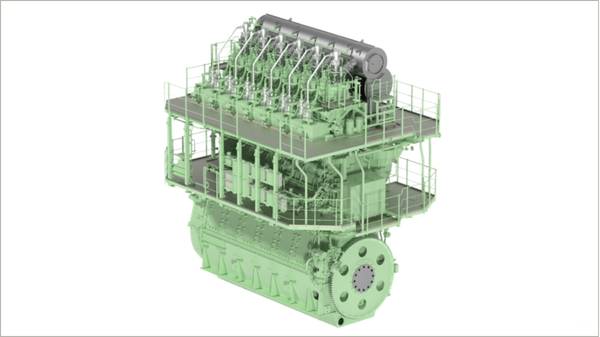
J-ENG secures orders for four ammonia-fuelled engines under Japanese PCTC project
Vessels form part of plan to build four ammonia-fuelled car carriers, a dedicated bunkering vessel and supply chain. |
|
|
|
||
|
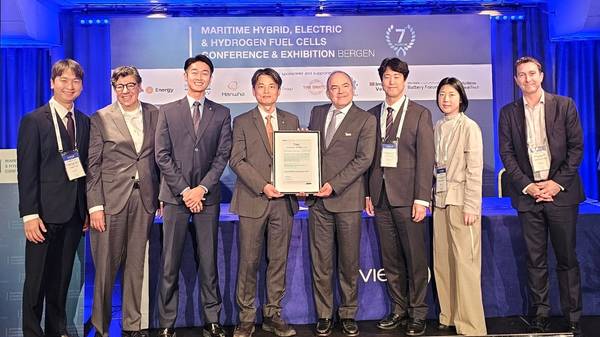
ABS grants AIP to Hanwha Power for 1,700-TEU battery-powered container ship
Design uses roughly 151 MWh of swappable battery storage for fully electric propulsion on a container vessel. |
|
|
|
||
|
WinGD signs first licence deal with HD Hyundai Marine Engine to expand Korean production
Mid-bore engine portfolio gains new production route into Korea's bulk carrier and tanker newbuild markets. |
|
|
|
||
|
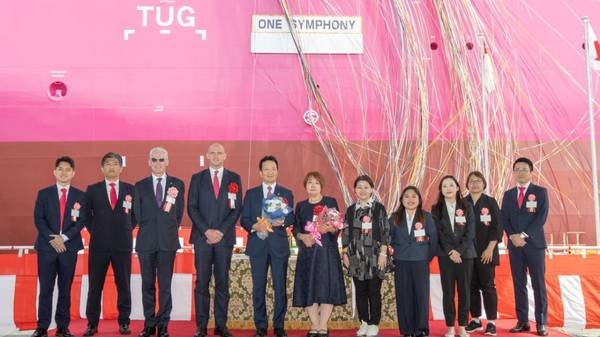
Ocean Network Express names ammonia- and methanol-ready newbuild ONE Symphony
Vessel features conventional diesel main engine, with concept designs approved for possible future conversion to methanol or ammonia. |
|
|
|
||
|
Sing Fuels seeks Asia-based supply trader to bolster bunker procurement team
Singapore bunkering firm is recruiting a supply trader to manage marine fuel purchasing across Asia. |
|
|
|
||
|
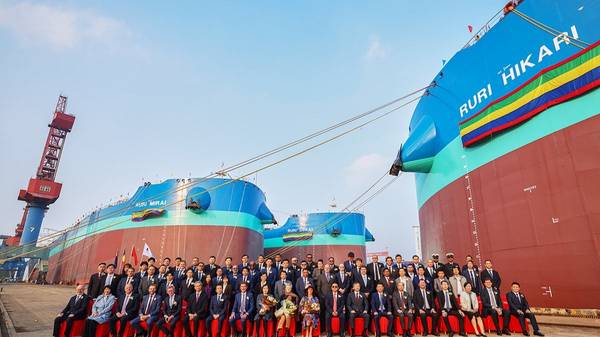
MOL names world's first ammonia-fuelled Capesize bulk carriers
Naming of Ruri Mirai, Ruri Sekai and Ruri Hikari signals ammonia's arrival as a marine fuel for large bulk carriers. |
|
|
|
||
|
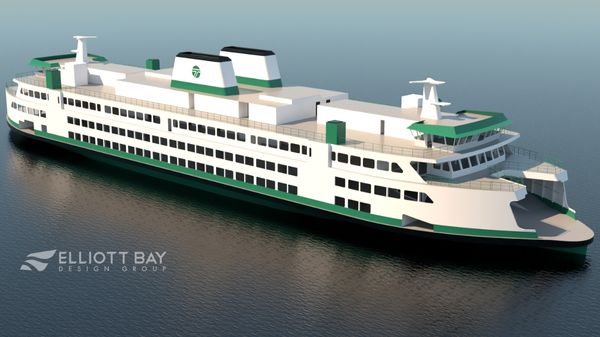
ABB wins Washington State Ferries' third hybrid-electric vessel order
ABB extends its role in the US ferry operator's electrification programme, which targets emission-free operations by 2050. |
|
|
|
||
|
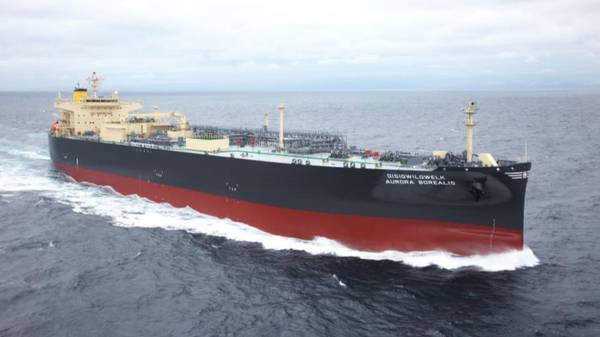
Kawasaki Heavy Industries delivers LPG-fuelled carrier Aurora Borealis
Ship could also be modified in future to allow for ammonia-fuelled operation. |
|
|
|
||
|
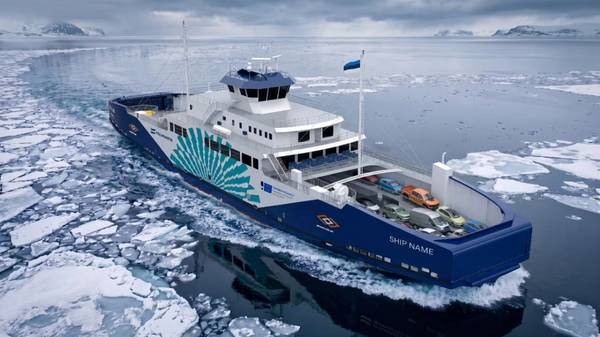
Estonian State Fleet's shore-charged electric ferry completes model testing in Germany
Hull and propulsion tests show the vessel's energy consumption remains within contracted limits with room to spare. |
|
|
|
||
|
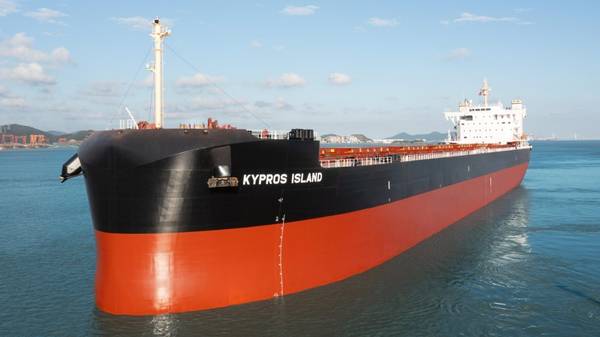
Tsuneishi delivers first methanol dual-fuel Kamsarmax bulk carrier from Chinese yard
Shipbuilder claims progress towards establishing a mass-production system for vessels designed to reduce environmental impact. |
|
|
|
||
| J-ENG secures orders for four ammonia-fuelled engines under Japanese PCTC project [News & Insights] |
| WinGD signs first licence deal with HD Hyundai Marine Engine to expand Korean production [News & Insights] |
| ABB wins Washington State Ferries' third hybrid-electric vessel order [News & Insights] |
| Wallenius Wilhelmsen orders four dual-fuel PCTCs, extends fleet renewal programme [News & Insights] |
| SEA-LNG and MAMII formalise technical partnership ahead of IMO methane talks [News & Insights] |
