
 |
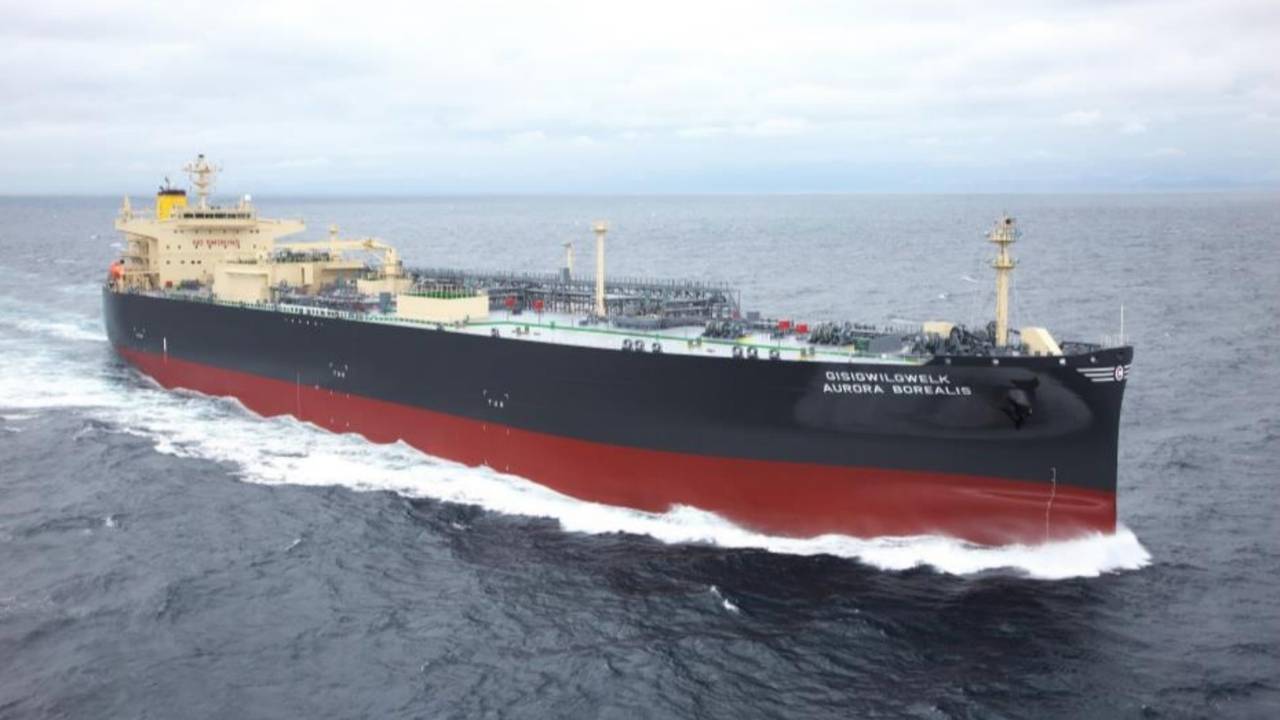
Kawasaki Heavy Industries has delivered the Aurora Borealis, an 86,700-cbm LPG and ammonia carrier powered by LPG fuel, to Kumiai Navigation (PTE) Ltd, the shipbuilder announced on 29 October.
The vessel, designated hull number 1770, is the fourteenth of the company's newest-design 86,700-cbm LPG-fuelled LPG/NH3 carriers. Kawasaki said it has now completed 21 LPG-propelled vessels in total, with the Aurora Borealis marking its 84th LPG carrier overall.
The carrier is powered by a single Kawasaki-MAN B&W 6G60ME-C10.5-LGIP diesel engine — an electronically controlled, LPG-injection marine diesel engine built by Kawasaki. The company noted that running on LPG fuel allows for reductions in sulphur oxide (SOx) and CO2 emissions compared with vessels using conventional marine fuel oil, enabling compliance with SOx emission standards and EEDI Phase 3 regulations.
The propulsion system is said to meet nitrogen oxide (NOx) Tier III requirements, using exhaust gas recirculation (EGR) and selective catalytic reduction (SCR) equipment — allowing the vessel to operate in NOx emission control areas even when running on conventional low-sulphur fuel.
To reduce fuel consumption, the vessel incorporates Kawasaki's RBS-F (Rudder Bulb System with Fins) and SDS-F (Semi-Duct System with contra Fins) technologies, along with energy-saving fins fitted around the propeller.
Kawasaki said the concept design for a system enabling the vessel to run on ammonia as fuel has been approved by ClassNK, meaning the ship's specifications could be modified in future to allow for ammonia-fuelled operation.
According to Kawasaki, the carrier offers increased cargo capacity compared with the company's existing 84,000-cbm LPG carriers, while also incorporating ammonia loading capability. The vessel is fitted with separate cargo tanks, allowing it to transport LPG and ammonia simultaneously. The company noted that LPG is already in widespread use as a low-carbon-emission energy source, while positioning ammonia as a fuel it expects to gain traction as efforts towards low- and zero-carbon-emission shipping continue.
Kawasaki said the vessel's principal dimensions, including length overall and beam, have been kept similar to those of conventional carriers despite the increased cargo tank capacity, so that the ship remains able to berth at LPG terminals worldwide.
The carrier also features a shaft generator connected to the main engine's propeller shaft, which is designed to allow electricity to be generated directly from the main engine's output. During normal navigation, this setup means the vessel's diesel generators can be switched off, enabling the ship to run entirely on LPG fuel aside from a small amount of pilot fuel, Kawasaki explained.
Specifications released by Kawasaki put the vessel's length overall at 229.90 metres, with a moulded breadth of 37.20 metres and a moulded depth of 21.90 metres. The carrier has a cargo tank capacity of 87,058 cbm, a deadweight of 56,375 tonnes and a gross tonnage of 49,561, with a service speed of around 17.0 knots and a crew complement of 29. The ship is classed with ClassNK and registered in Singapore.
Kawasaki said it intends to continue developing environmentally focused ship technologies, with a particular focus on LPG carriers and LPG/NH3 carriers powered by LPG, alongside other vessel types designed to meet environmental regulations — including carriers for liquefied hydrogen, which Kawasaki described as a fuel gaining traction as a next-generation energy source.
|
Sing Fuels seeks Asia-based supply trader to bolster bunker procurement team
Singapore bunkering firm is recruiting a supply trader to manage marine fuel purchasing across Asia. |
|
|
|
||
|
MOL names world's first ammonia-fuelled Capesize bulk carriers
Naming of Ruri Mirai, Ruri Sekai and Ruri Hikari signals ammonia's arrival as a marine fuel for large bulk carriers. |
|
|
|
||
|
ABB wins Washington State Ferries' third hybrid-electric vessel order
ABB extends its role in the US ferry operator's electrification programme, which targets emission-free operations by 2050. |
|
|
|
||
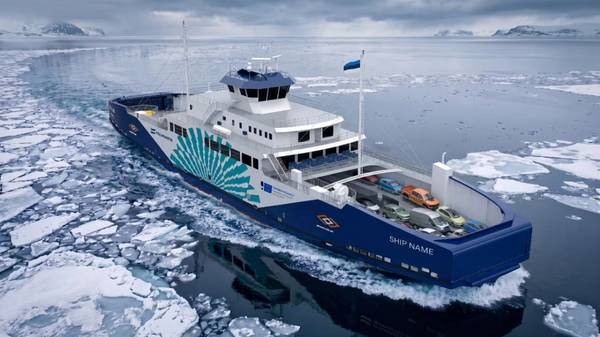
|
Estonian State Fleet's shore-charged electric ferry completes model testing in Germany
Hull and propulsion tests show the vessel's energy consumption remains within contracted limits with room to spare. |
|
|
|
||
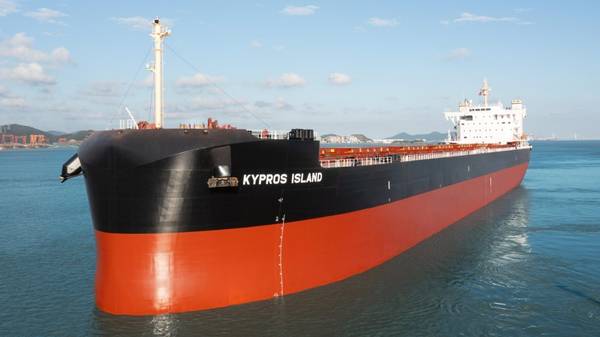
|
Tsuneishi delivers first methanol dual-fuel Kamsarmax bulk carrier from Chinese yard
Shipbuilder claims progress towards establishing a mass-production system for vessels designed to reduce environmental impact. |
|
|
|
||
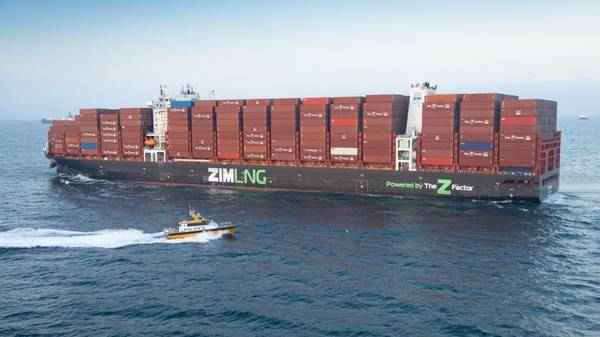
|
Los Angeles and Long Beach identify LNG and methanol as key near-term marine fuels
Joint feasibility study maps out demand projections and infrastructure needs to support cleaner shipping fuels at San Pedro Bay |
|
|
|
||
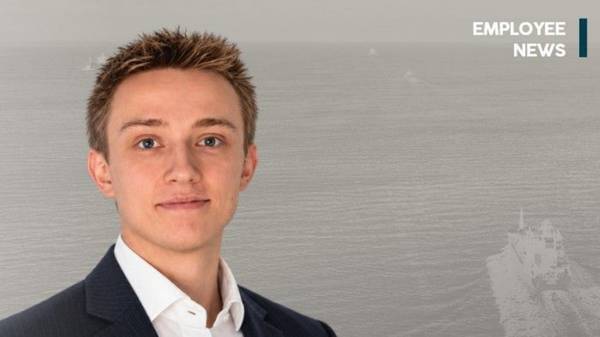
|
Christiania Energy welcomes student assistant to Copenhagen office
Alexander Treff joins marine fuels firm while studying international business at Copenhagen Business School. |
|
|
|
||
|
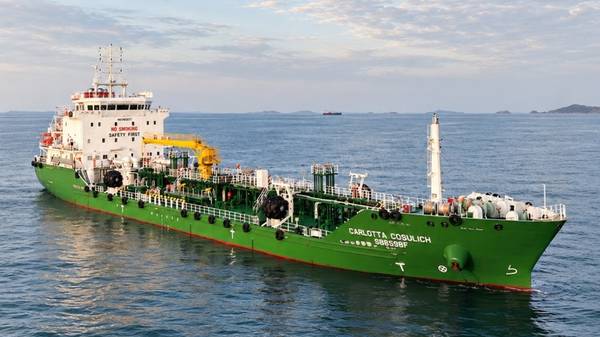
Cosulich Marine Energy takes delivery of third methanol-ready bunker tanker
Carlotta Cosulich joins the group’s fleet, bringing its four-vessel bunkering programme closer to completion. |
|
|
|
||
|
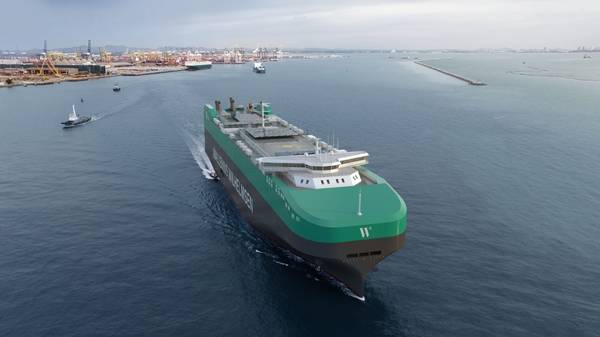
Wallenius Wilhelmsen orders four dual-fuel PCTCs, extends fleet renewal programme
Shipping firm signs for LNG-fuelled car carriers with options for eight more, with deliveries from 2030. |
|
|
|
||
|
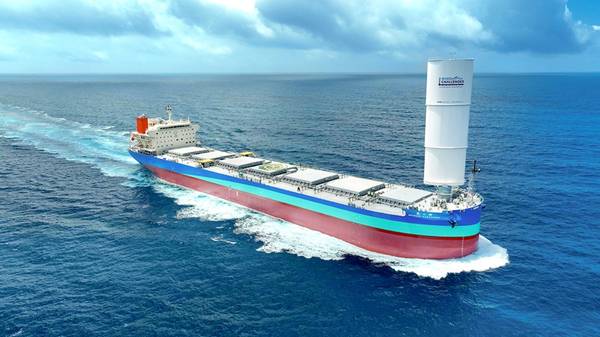
MOL takes delivery of Wind Challenger-equipped LNG dual-fuel coal carrier
LNG dual-fuel coal carrier with wind-assisted propulsion expected to cut CO₂ emissions by up to 30%. |
|
|
|
||
| MOL names world's first ammonia-fuelled Capesize bulk carriers [News & Insights] |
| Estonian State Fleet's shore-charged electric ferry completes model testing in Germany [News & Insights] |
| Tsuneishi delivers first methanol dual-fuel Kamsarmax bulk carrier from Chinese yard [News & Insights] |
| Cosulich Marine Energy takes delivery of third methanol-ready bunker tanker [News & Insights] |
| Wallenius Wilhelmsen orders four dual-fuel PCTCs, extends fleet renewal programme [News & Insights] |
