
 |
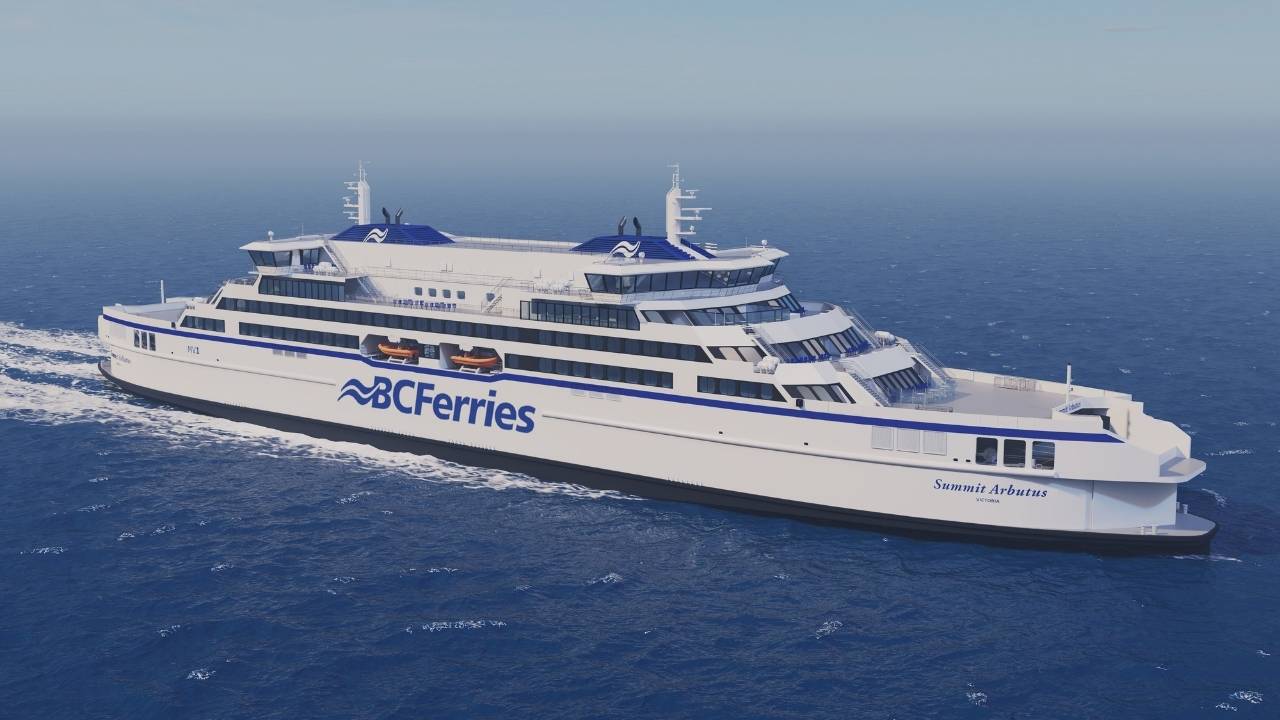
Corvus Energy has been awarded a contract to supply battery energy storage systems (ESS) for four new hybrid-electric, double-ended passenger-and-car ferries to be built for British Columbia Ferry Services Inc. (BC Ferries).
The contract covers a total of 40 MWh of installed battery capacity — 10 MWh per vessel — across the four ships, which form part of BC Ferries’ new Summit Class fleet. The vessels are named Summit Arbutus, Summit Cedar, Summit Maple, and Summit Spruce.
In addition to the installed capacity, Corvus will supply battery interface bases and pack control systems sized for an additional 60 MWh per vessel, bringing the total potential capacity to 70 MWh per ship. According to Corvus Energy, this configuration will enable the vessels to sail near emission-free for up to two hours — a reference to the Tsawwassen to Nanaimo (Duke Point) route — as shore-based charging infrastructure is developed. The company claims that this forward-looking design removes the need for major structural modifications when the transition to all-electric operation takes place.
The systems will utilise Corvus’s Dolphin NxtGen Power system, which the company says features advanced liquid-cooled power cells, improved energy density, and enhanced safety architecture. The system will be integrated into the power and propulsion package for each of the new ferries.
Designed in collaboration with LMG Marin, the vessels will feature diesel-battery hybrid propulsion, with compatibility for biofuel and renewable diesel. Each ferry will be capable of carrying up to 360 vehicles and 2,100 passengers and crew.
According to Corvus Energy, BC Ferries selected the company on the basis of its experience delivering large-scale marine battery installations, its operational presence in British Columbia, and its existing role powering BC Ferries’ Island Class fleet.
Fredrik Witte, CEO of Corvus Energy, commented: “We are delighted to be selected again by BC Ferries for this flagship project. BC Ferries continues to drive one of the most ambitious and technically advanced ferry electrification programmes in the world. Our Dolphin NxtGen technology brings the next leap in performance and safety, enabling these vessels to operate efficiently today while paving the way for a fully electric future. We are extra proud that these batteries have been developed at our Product Development Hub in Vancouver, BC.”
BC Ferries operates 25 routes to 47 terminals and, according to its annual report for the year ended 31 March 2025, transports approximately 9.7 million vehicles and 22.7 million passengers annually. The New Major Vessels programme represents the company’s largest capital investment to date, according to BC Ferries, with the aim of renewing its fleet, increasing service capacity, and reducing emissions.
Ed Hooper, BC Ferries’ Head of Fleet Renewal, stated: “BC Ferries is looking towards the future of what passenger ferry transport can be for the people, businesses and communities that rely on our ferries every day. Our challenge today is an aging fleet, most notably impacting our major routes. When the new Summit Class vessels begin to arrive in 2029, we will be adding more capacity and building better reliability into the way we do business. These vessels will have a long lifespan and working with dependable, long-term partners like Corvus Energy who have a local BC presence and proven ability to support the full system lifecycle is key to our fleet renewal journey.”
The first vessel is scheduled for delivery in 2029 from China Merchants Shipbuilding Industry Group Weihai Shipyard Co., Ltd., with all four vessels expected to enter service by 2031.
Corvus Energy, which is headquartered in Norway, claims that more than 50% of the world’s vessels equipped with zero-emission technology are powered by its systems, with more than 1,350 projects delivered worldwide.
|
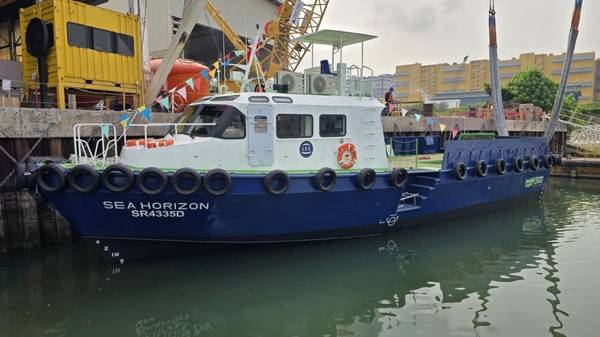
Pinnacle Marine launches second B100-compatible harbour craft for Les Star
Sea Horizon joins Singapore’s harbour craft fleet. |
|
|
|
||
|
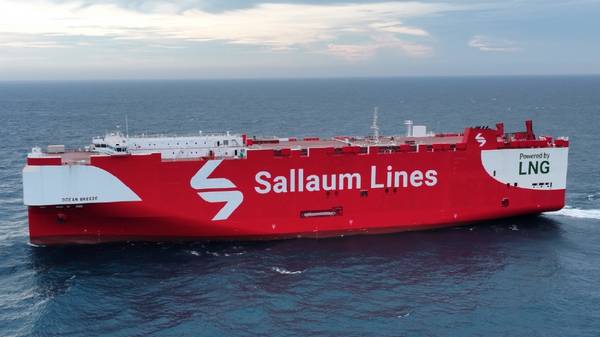
Sallaum Lines orders LNG-fuelled, ammonia-ready PCTCs from Chinese yards
Operator signs shipbuilding agreements for new generation of 8,600-CEU vessels, taking its newbuild investment past $1bn. |
|
|
|
||
|
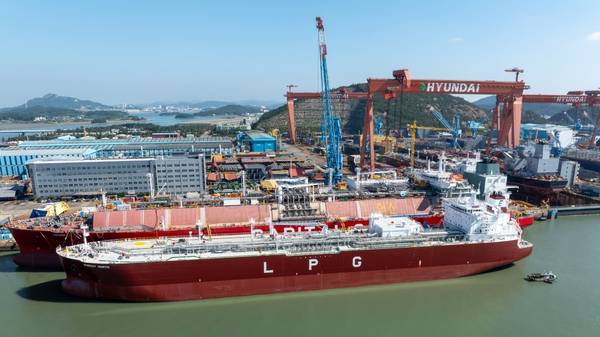
Nakilat takes delivery of dual-fuel carrier in South Korea
Ammonia-ready design positions vessel to play key role in future low-carbon energy supply chains, says Qatari firm. |
|
|
|
||
|
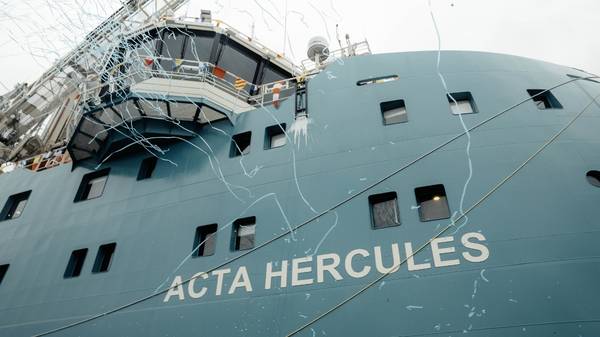
Acta Marine christens methanol dual-fuel vessel Acta Hercules in IJmuiden
Dutch operator marks the christening of its second newbuild CSOV. |
|
|
|
||
|
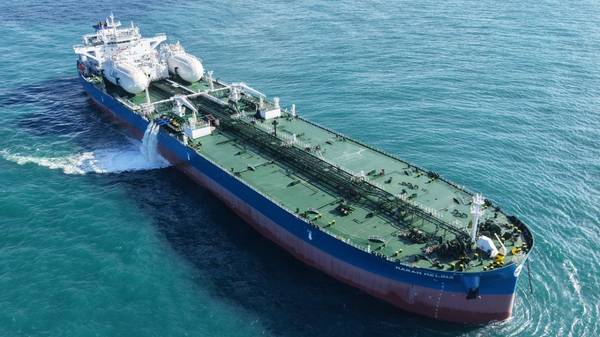
Angelicoussis Group takes delivery of fifth dual-fuel Suezmax tanker
Maran Tankers Management adds the 155,500-DWT Maran Melina to its fleet. |
|
|
|
||
|
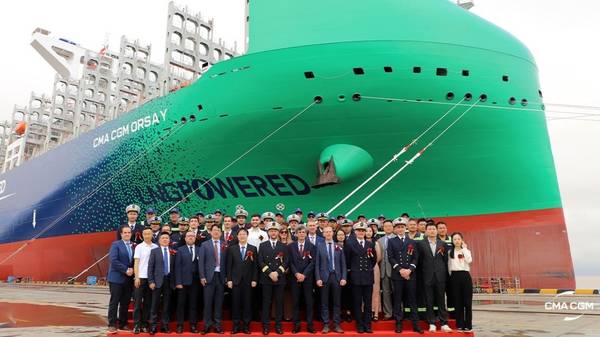
CMA CGM takes delivery of LNG-powered Orsay for Asia-Europe trade
24,212-TEU vessel joins 10-ship series, adding capacity to the carrier's FAL3 route. |
|
|
|
||
|
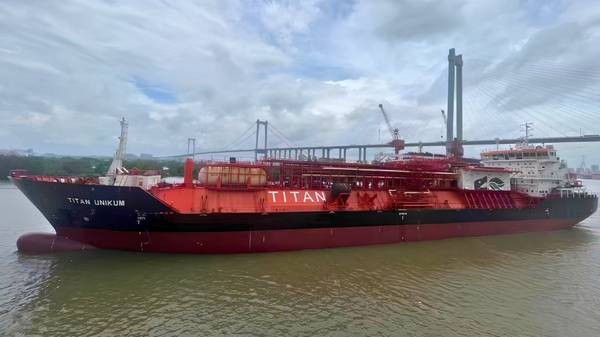
Titan Clean Fuels completes 15-year survey on LNG bunkering vessel Titan Unikum
Multi-gas carrier has undergone dry-docking work at a Chinese yard, preparing it for future upgrades. |
|
|
|
||
|
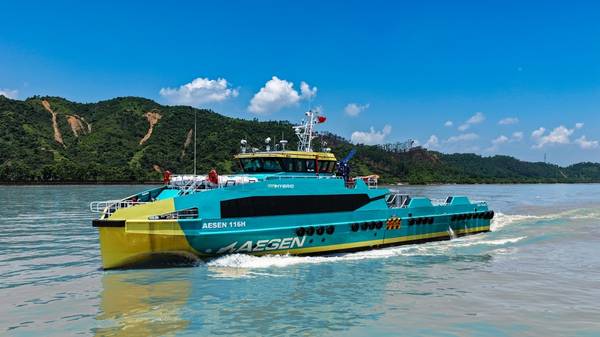
Lehmann Marine’s CUBE battery system debuts in China aboard hybrid crew boat
German battery maker’s first Chinese installation targets fuel savings on a Cheoy Lee-built vessel for a Singapore operator. |
|
|
|
||

|
Iino Lines secures transition loan from Mizuho Bank for LPG dual-fuel VLGC
Japanese shipowner finances the acquisition of Lumi Aurora through a green transition finance framework aligned with ICMA guidelines. |
|
|
|
||
|
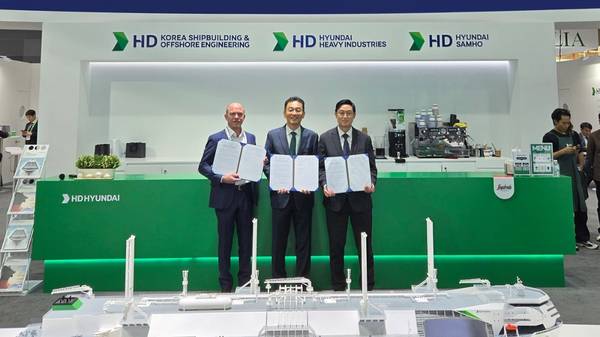
ABS, HD KSOE and Siemens partner on digital twin technology for ammonia-fuelled ship safety
Three firms will combine CFD analysis and digital twin technology to assess ammonia leak scenarios in vessel design. |
|
|
|
||
| Pinnacle Marine launches second B100-compatible harbour craft for Les Star [News & Insights] |
| Sallaum Lines orders LNG-fuelled, ammonia-ready PCTCs from Chinese yards [News & Insights] |
| Sallaum Lines orders LNG-fuelled, ammonia-ready PCTCs from Chinese yards [News & Insights] |
| Nakilat takes delivery of dual-fuel carrier in South Korea [News & Insights] |
| Acta Marine christens methanol dual-fuel vessel Acta Hercules in IJmuiden [News & Insights] |
