
 |
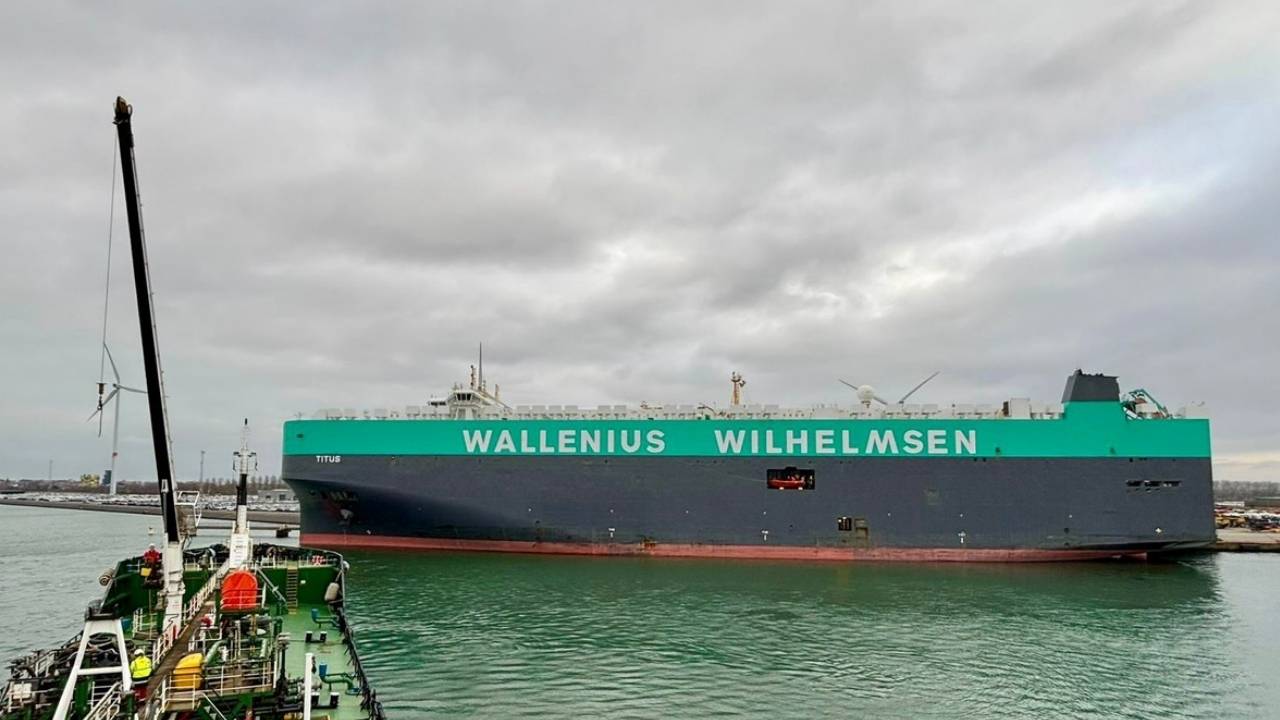
ExxonMobil has supplied a B30 0.50% sulphur marine residual fuel blend made using fatty acid methyl ester (FAME) distillation residue to Wallenius Wilhelmsen, completing what the company describes as its first sea trial of a bio marine fuel blend using this feedstock.
The fuel was bunkered by the vehicle carrier Titus in Zeebrugge ahead of the trial, ExxonMobil said, adding that the B30 very-low-sulphur fuel oil (VLSFO) meets the RMG380 residual fuel oil classification and complies with ISO 8217:2017, with the exception of the bio blend component.
ExxonMobil explained that the fuel blend shares similar drop-in properties to a B30 VLSFO made with FAME produced from used cooking oil (UCOME), and the firm claims marine fuels made with FAME distillation residue carry an advantage over FAME itself, in that there is currently no competition for the material from other transport sectors.
Additionally, ExxonMobil points out that several key properties of FAME distillation residue — including density and viscosity — are closer to those of the VLSFO component than FAME is, meaning users would see a lower reduction in viscosity compared with a FAME-in-VLSFO blend. This, the supplier notes, makes the fuel comparatively easier to handle onboard ships. Extensive laboratory testing, it adds, has shown good compatibility between petroleum-based VLSFOs and the B30 VLSFO made with FAME distillation residue.
During the trial, the B30 VLSFO batch was said to have been bunkered without issue, with onboard storage and handling not resulting in any filtration or purification issues, and engine performance remaining stable, as confirmed by comparing key parameters recorded in performance and condition monitoring reports before, during and after the trial.
Gideon Simmelink, account manager marine fuels at ExxonMobil, commented: "This successful sea trial highlights a practical, cost-effective pathway for customers to reduce their lifecycle greenhouse gas emissions while maintaining operational performance. By leveraging FAME distillation residue, ExxonMobil can offer a drop-in solution that supports compliance with evolving EU regulations and helps operators advance their lower GHG emission goals with confidence."
Kari Haugen, senior manager energy sourcing at Wallenius Wilhelmsen, remarked: "Wallenius Wilhelmsen has a long-standing collaboration with ExxonMobil. This trial supports our efforts to assess new fuel options and advance our decarbonisation ambitions."
ExxonMobil advises that operators should consult with engine manufacturers, as original equipment manufacturers may limit bio blend percentages or specific bio components for certain engine designs.
|
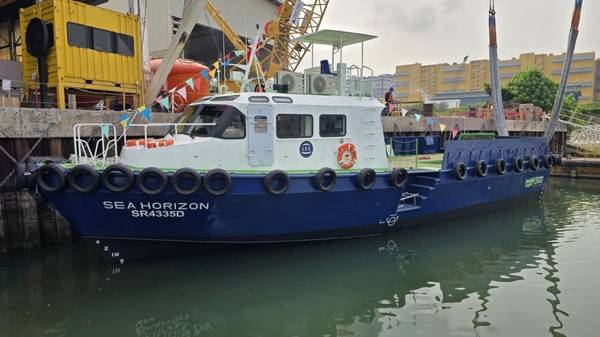
Pinnacle Marine launches second B100-compatible harbour craft for Les Star
Sea Horizon joins Singapore’s harbour craft fleet. |
|
|
|
||
|
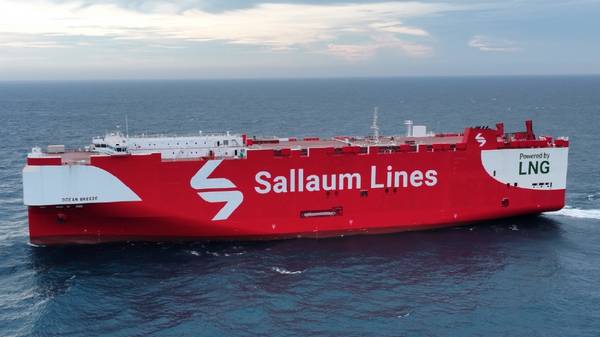
Sallaum Lines orders LNG-fuelled, ammonia-ready PCTCs from Chinese yards
Operator signs shipbuilding agreements for new generation of 8,600-CEU vessels, taking its newbuild investment past $1bn. |
|
|
|
||
|
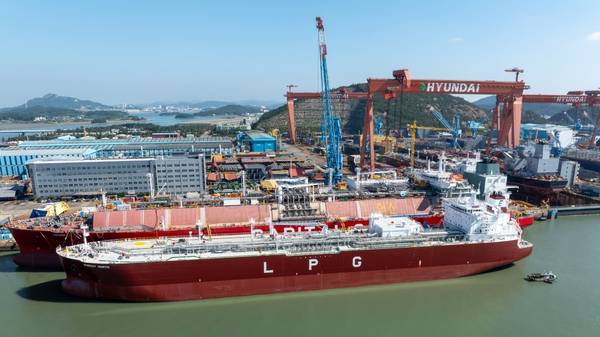
Nakilat takes delivery of dual-fuel carrier in South Korea
Ammonia-ready design positions vessel to play key role in future low-carbon energy supply chains, says Qatari firm. |
|
|
|
||
|
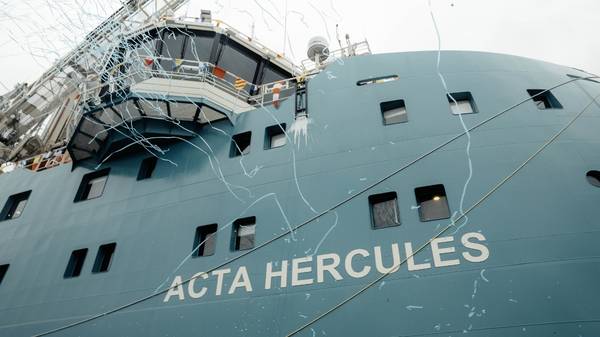
Acta Marine christens methanol dual-fuel vessel Acta Hercules in IJmuiden
Dutch operator marks the christening of its second newbuild CSOV. |
|
|
|
||
|
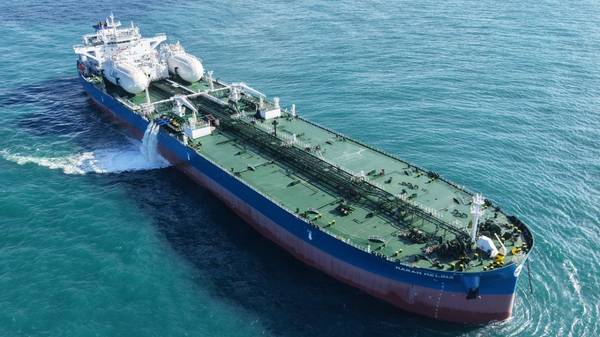
Angelicoussis Group takes delivery of fifth dual-fuel Suezmax tanker
Maran Tankers Management adds the 155,500-DWT Maran Melina to its fleet. |
|
|
|
||
|
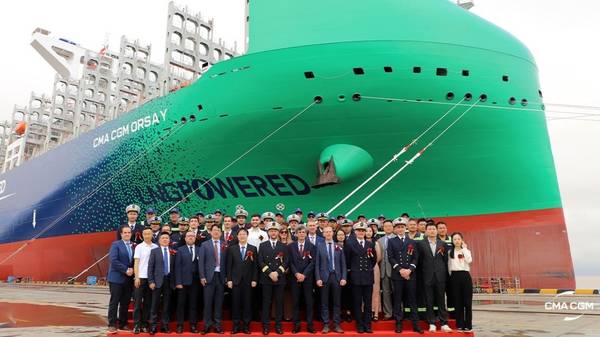
CMA CGM takes delivery of LNG-powered Orsay for Asia-Europe trade
24,212-TEU vessel joins 10-ship series, adding capacity to the carrier's FAL3 route. |
|
|
|
||
|
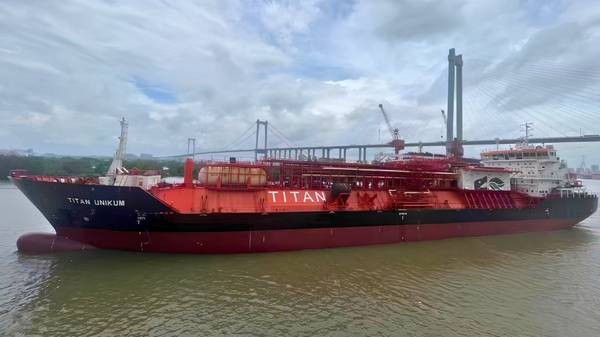
Titan Clean Fuels completes 15-year survey on LNG bunkering vessel Titan Unikum
Multi-gas carrier has undergone dry-docking work at a Chinese yard, preparing it for future upgrades. |
|
|
|
||
|
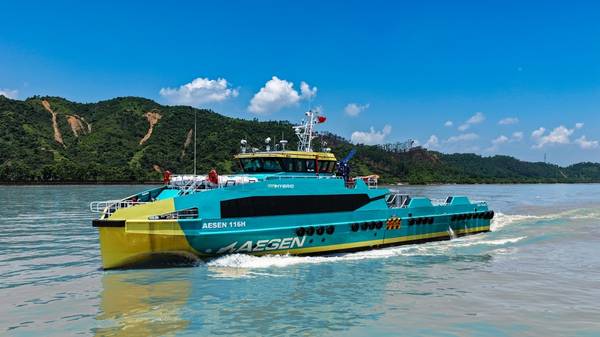
Lehmann Marine’s CUBE battery system debuts in China aboard hybrid crew boat
German battery maker’s first Chinese installation targets fuel savings on a Cheoy Lee-built vessel for a Singapore operator. |
|
|
|
||

|
Iino Lines secures transition loan from Mizuho Bank for LPG dual-fuel VLGC
Japanese shipowner finances the acquisition of Lumi Aurora through a green transition finance framework aligned with ICMA guidelines. |
|
|
|
||
|
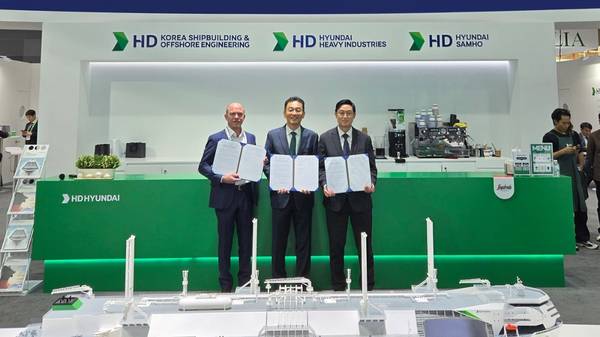
ABS, HD KSOE and Siemens partner on digital twin technology for ammonia-fuelled ship safety
Three firms will combine CFD analysis and digital twin technology to assess ammonia leak scenarios in vessel design. |
|
|
|
||
| Maersk completes first US ethanol bunkering of a deep-sea container ship [News & Insights] |
| Maersk completes first US ethanol bunkering of a deep-sea container ship [News & Insights] |
| Petrobras launches HSFO bunker sales in Rio de Janeiro [News & Insights] |
| Japan completes first methanol-fuelled coastal vessel and conducts inaugural bunkering [News & Insights] |
| HD Hyundai completes type approval test for new LNG dual-fuel engine [News & Insights] |
