
 |
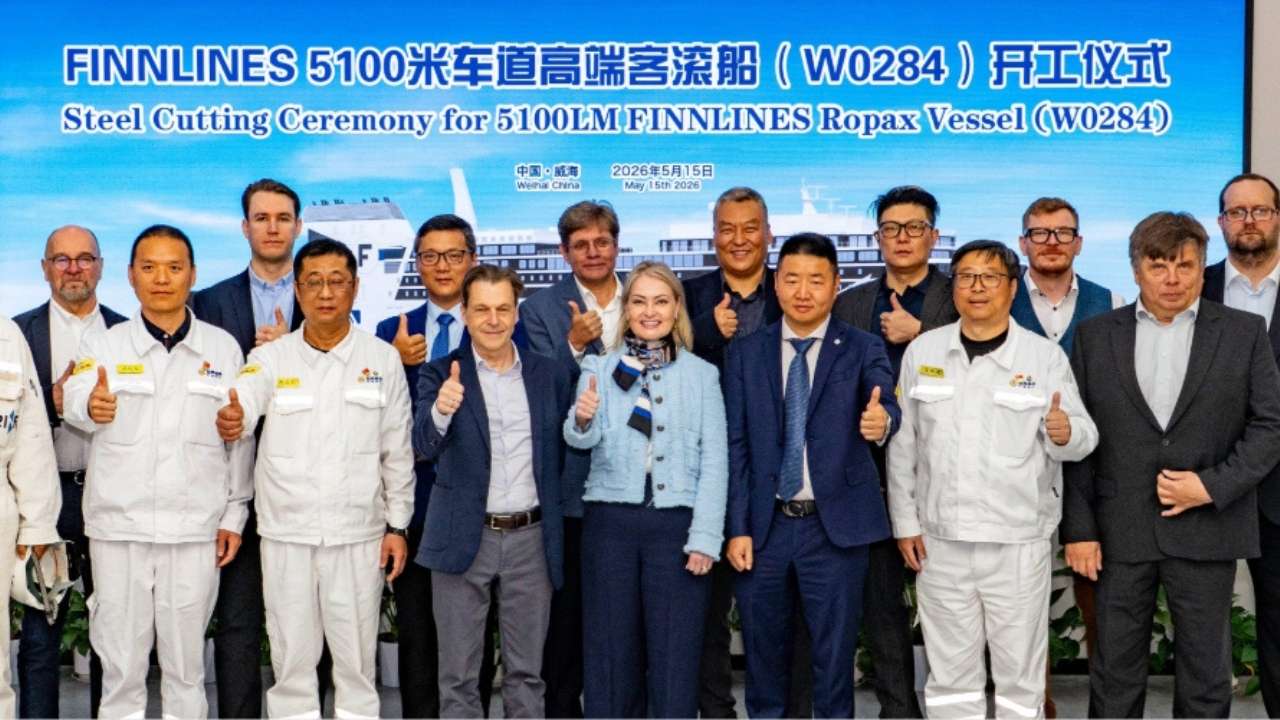
Construction has commenced on the first of three Hansa Superstar class ro-pax vessels ordered by Finnlines, a subsidiary of the Grimaldi Group, at the CMI Weihai Shipyard in China.
A steel-cutting ceremony on 15 May marked the start of work on the vessel, with Captain Juhana Nuru and Technical Superintendent Petri Leino initiating the automated panel line. The three ships represent a total investment of €500m, with the first vessel scheduled to enter service in summer 2028.
The dual-fuel ro-pax vessels will feature methanol-capable engines and are designed to operate on the route between Finland and Germany under the Finnish flag. According to Finnlines, the ships will utilise fossil-free methanol, optimised hull form and propulsion, air lubrication, waste heat recovery, heat pumps, battery banks and shore power to reduce carbon dioxide emissions compared to vessels currently operating on the route.
The vessels will measure approximately 240 metres in length and offer 5,100 lane metres of cargo capacity. They can accommodate up to 1,000 passengers across 321 cabins.
Thomas Doepel, Finnlines President & CEO, said: "With its new Superstar class vessels operating on the Naantali–Kapellskär route, Finnlines introduced the most innovative concept in the ro-pax sector and set a new benchmark for ro-pax traffic in the Baltic Sea. We're now taking this concept to the next level by commencing the construction of an even more versatile series of ships. Continuous investments in our fleet demonstrate our commitment to bringing to Baltic Sea traffic the most modern tonnage, equipped with the best available environmental technology."
Marco Palmu, Finnlines Head of Passenger Services, added: "The Hansa Superstar class vessels are designed to meet the growing transport needs of industry and trade as well as the expectations of passengers. A strong and reliable maritime link between Finland and mainland Europe is a vital element of security of supply and the smooth functioning of supply chains, while at the same time we aim to offer passengers an increasingly high-quality and comfortable travel experience."
The three Hansa Superstar class ships are part of Finnlines' 20-year development programme, which includes the acquisition and construction of 20 vessels. The remaining two vessels are scheduled to enter service in 2028 and 2029.
CMI Weihai Shipyard is part of China Merchants Group.

|
WinGD signs global service agreement for TMS Cardiff Gas LNG carrier newbuilds
WinGD will support six dual-fuel engines on three new LNG carriers for the Athens-based operator throughout their operational lives. |
|
|
|
||
|
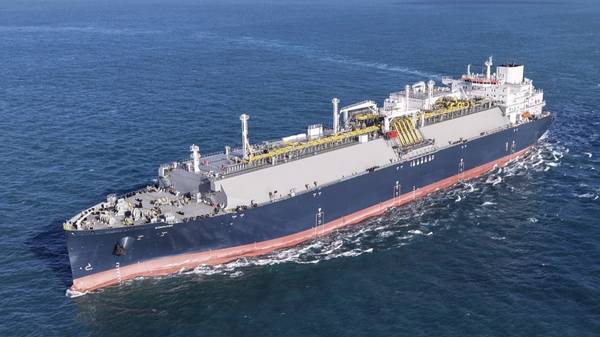
Yangzijiang Xinfu delivers first 175,000-cbm LNG carrier built by Chinese private shipyard
Vessel features two dual-fuel MAN B&W 5G70ME-C10.5-GA-EGR engines fitted with cryogenic units. |
|
|
|
||
|
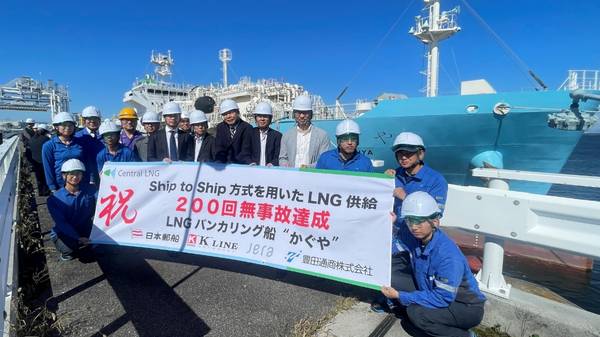
LNG bunkering vessel Kaguya completes 200th ship-to-ship operation in Japan
K Line’s joint venture vessel reaches milestone in Mikawa Bay. |
|
|
|
||
|
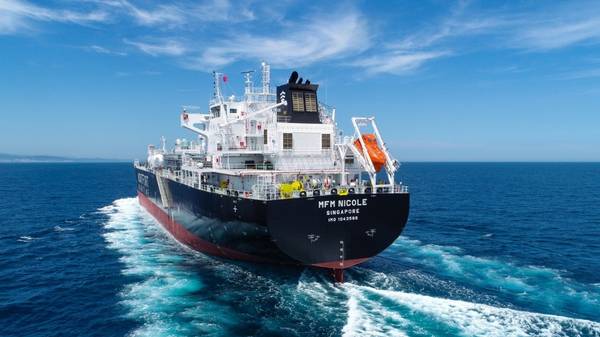
Synergy Marine adds dual-fuel LPG carrier to managed fleet
MFM Nicole joins Synergy’s gas carrier portfolio as owners weigh fuel choices ahead of MEPC 85 negotiations. |
|
|
|
||
|
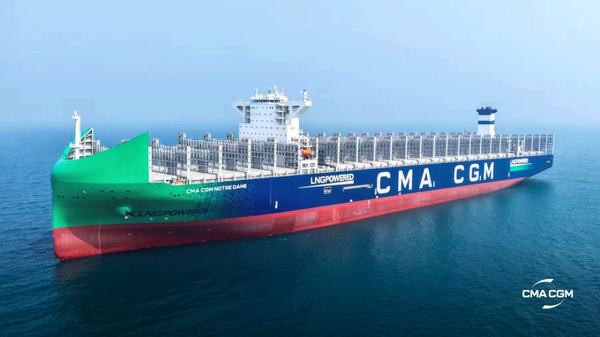
DSV to use CMA CGM’s ACT+ solution to slash shipping emissions
Danish firm targets 12,000-tonne reduction in CO₂ emissions over two years through the use of UCOME-based biofuels. |
|
|
|
||

|
Peninsula welcomes 2026 graduate cohort across global bunkering network
Bunker firm brings new graduates into roles spanning Houston, Singapore, Gibraltar, Monaco and Las Palmas. |
|
|
|
||

|
Malik Supply appoints Mathias Krogsgård as bunker trader
Danish bunker firm adds trader with export and technology background to growing team. |
|
|
|
||

|
Biofuel adoption in shipping shifts from debate to delivery, says Peninsula's Jeroen de Vos
Marine biofuels have moved from pilot projects to routine fuel strategy, argues IBIA vice-chair. |
|
|
|
||
|
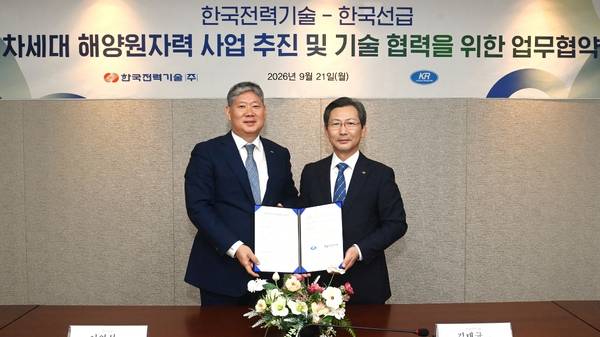
KEPCO E&C and Korean Register of Shipping to collaborate on marine SMR development
Korean firms to develop technical standards and certification pathways for the BANDI offshore small modular reactor. |
|
|
|
||
|
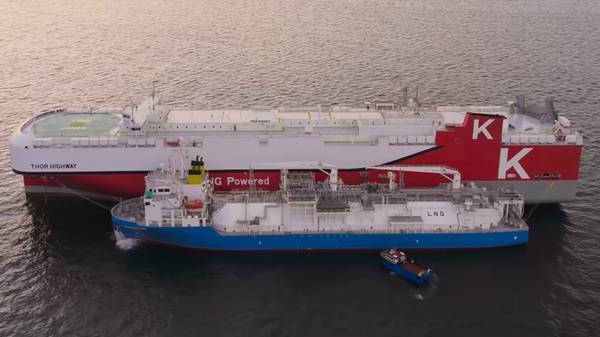
Peninsula completes first LNG bunkering operation at Sagunto
Levante LNG bunkering vessel supplies K Line car carrier in landmark delivery. |
|
|
|
||
| WinGD signs global service agreement for TMS Cardiff Gas LNG carrier newbuilds [News & Insights] |
| Yangzijiang Xinfu delivers first 175,000-cbm LNG carrier built by Chinese private shipyard [News & Insights] |
| Synergy Marine adds dual-fuel LPG carrier to managed fleet [News & Insights] |
| CMA CGM takes delivery of methanol dual-fuel newbuild [News & Insights] |
| MISC names first of three new LNG carriers for QatarEnergy charter deal [News & Insights] |
