
 |
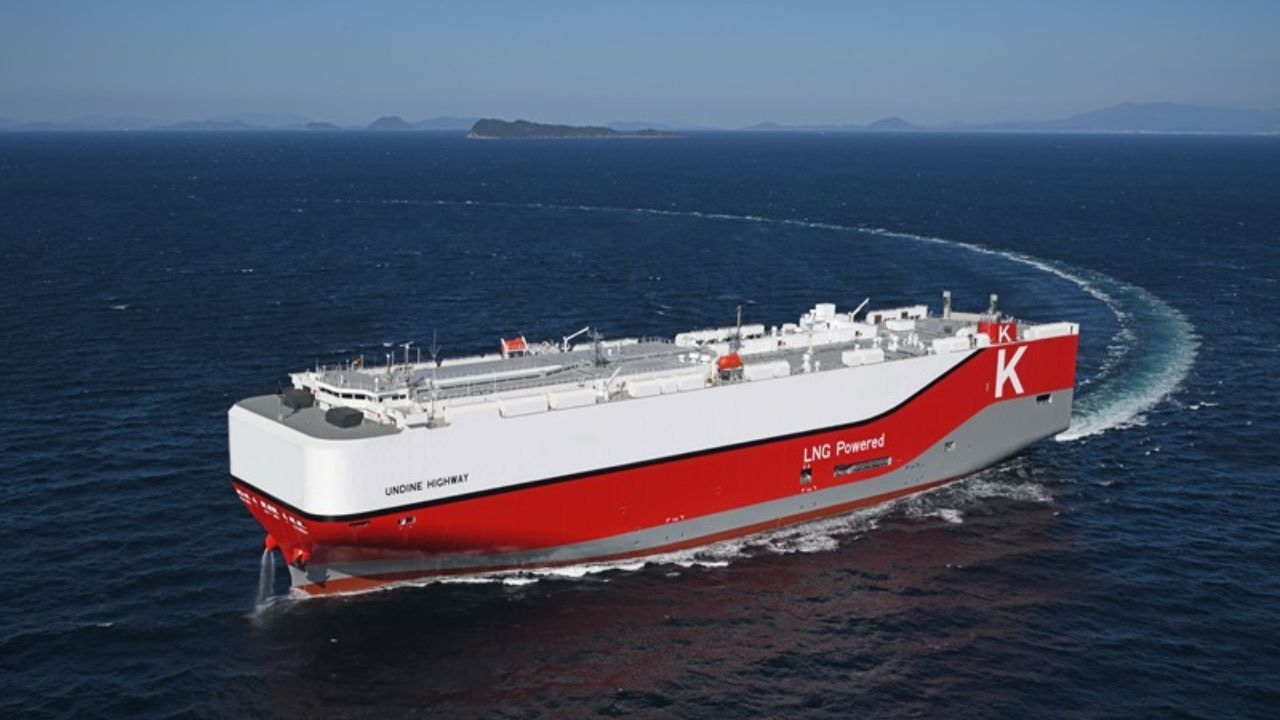
Imabari Shipbuilding has completed delivery of Undine Highway, a 7,000-unit LNG-fuelled car carrier constructed at the company’s Marugame Business Headquarters in Japan.
The vessel was handed over on 14 January, the shipbuilder said.
According to Imabari Shipbuilding, the car carrier is equipped with a dual-fuel propulsion system enabling operation on LNG, delivering a reported 25–30% reduction in CO₂ emissions compared with conventionally fuelled heavy fuel oil vessels.
The ship is also fitted with an exhaust gas recirculation (EGR) system, which the yard said reduces nitrogen oxide emissions by 80–90%, while sulphur oxide emissions are almost entirely eliminated when operating on LNG.
The design incorporates a boil-off gas (BOG) handling arrangement that allows gas generated from the LNG fuel tanks to be used in onboard generators and boilers, reducing the need for fuel disposal or venting.
Cargo operations are supported by a bulkheadless internal layout combined with wider, straighter ramps intended to simplify vehicle movements and improve loading efficiency. A liftable deck system enables deck heights to be adjusted, allowing the vessel to carry both passenger cars and higher vehicles such as trucks and trailers.
The Undine Highway has an overall length of 199.93 metres, a beam of 38.0 metres, and a depth of 38.76 metres. It has a deadweight of 18,652 tonnes and a gross tonnage of 77,650.
Propulsion is provided by a 6S60ME-C10.5-GI main engine, giving a service speed of approximately 18.25 knots. The vessel is classed by Nippon Kaiji Kyokai and is registered under the Panamanian flag.
|
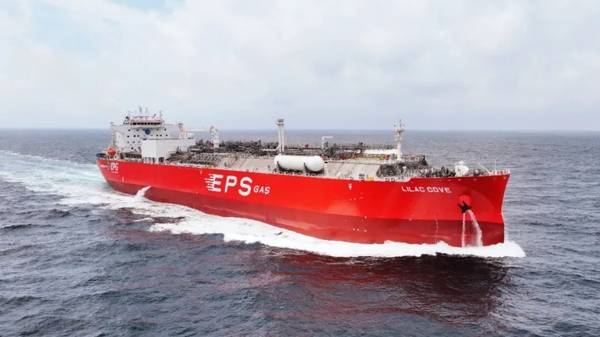
Jiangnan delivers second LPG dual-fuel VLAC in series to Singapore’s EPS
Lilac Cove, the world’s largest liquid ammonia carrier, joins Ivy Cove as Jiangnan advances its six-ship VLAC programme. |
|
|
|
||
|
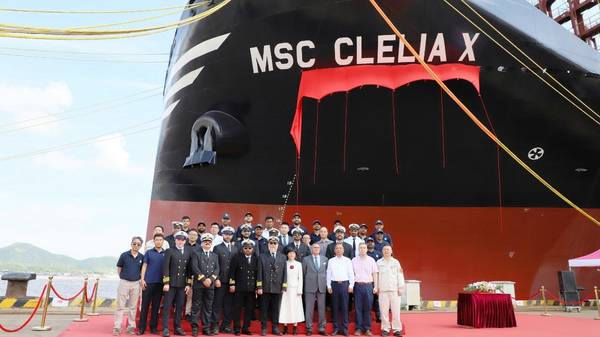
MSC LNG dual-fuel container ship delivered almost a year early
Chinese shipbuilder hands over sixth 10,300-TEU vessel in series to MSC ahead of contract schedule. |
|
|
|
||
|
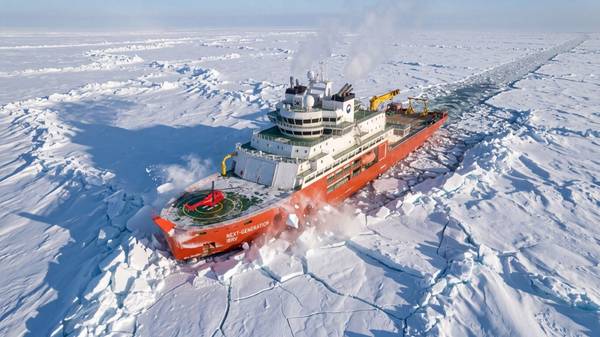
Steel cutting marks start of construction on dual-fuel icebreaking research vessel
Hanwha Ocean begins building a dual-fuel LNG/MGO icebreaker for the Republic of Korea’s Ministry of Oceans and Fisheries, due for delivery in 2030. |
|
|
|
||
|
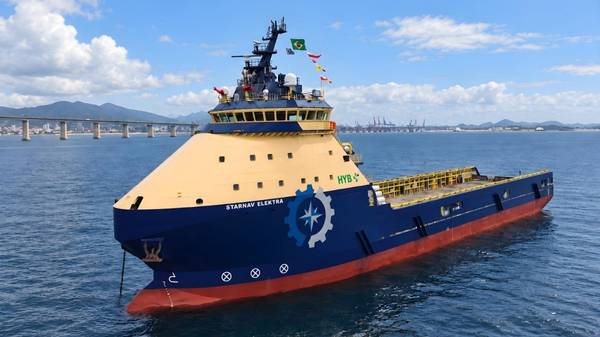
Petrobras christens first vessel under Mar Aberto fleet renewal programme
Platform supply vessel Starnav Elektra, built in Santa Catarina with an all-female crew, marks the first delivery under the fleet initiative. |
|
|
|
||
|
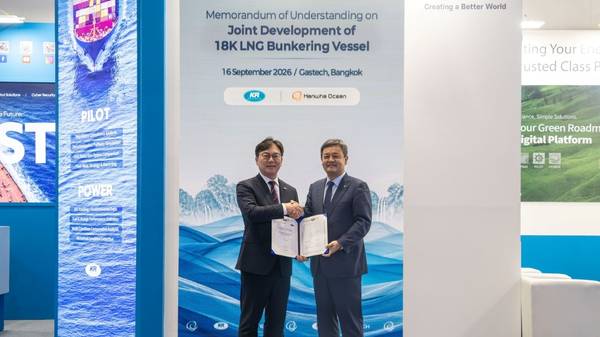
KR and Hanwha Ocean agree to develop 18,000-cbm LNG bunkering vessel designs
Pair will jointly explore two design concepts for a new LNG bunkering vessel. |
|
|
|
||
|
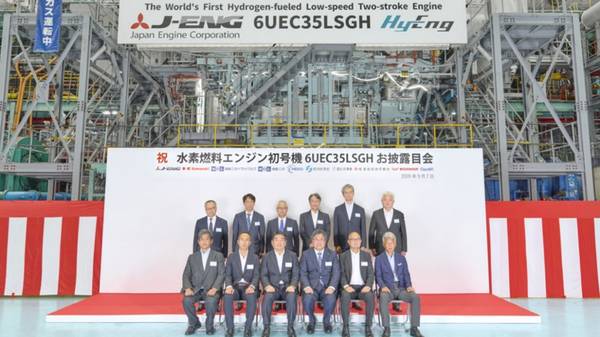
Japan Engine completes land-based testing of landmark hydrogen-fuelled engine for large vessels
Hydrogen co-firing rate of at least 95% achieved during factory testing. |
|
|
|
||
|
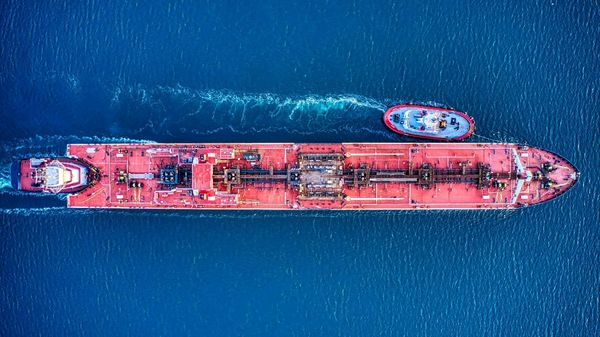
Ethanol edges into shipping’s fuel mix as methanol crossover eases adoption barriers
Rising interest from cargo owners, shared technology with methanol and Brazilian production growth push ethanol beyond regional niche status. |
|
|
|
||
|
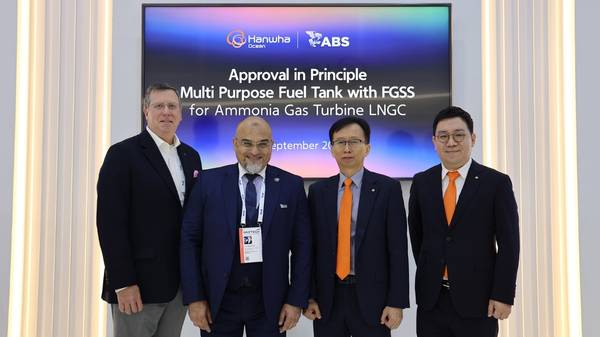
ABS grants Hanwha Ocean approval for dual-fuel tank enabling LNG-to-ammonia switch
In-principle approval awarded for fuel tank and supply system enabling LNG carriers to convert to ammonia without replacement. |
|
|
|
||
|
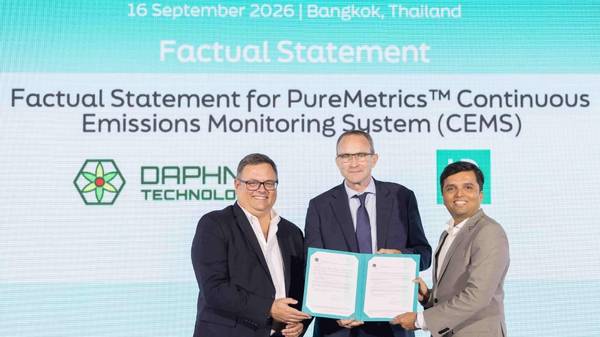
Lloyd's Register confirms suitability of Daphne Technology's emissions monitoring system
Factual Statement validates the PureMetrics design for monitoring greenhouse gas emissions from marine engines. |
|
|
|
||

|
IMO issues shipboard biofuel blend checklist developed by IBIA
Checklist for FAME-based biofuels formally incorporated into IMO document, supporting crews handling biofuel blends for the first time. |
|
|
|
||
| Imabari Shipbuilding delivers LNG-fuelled car carrier to NYK Line [News & Insights] |
| Japanese shipbuilder delivers LNG-fuelled Capesize bulk carrier [News & Insights] |
| Sallaum Lines takes delivery of LNG-fuelled car carrier MV Ocean Explorer [News & Insights] |
| Jiangnan delivers second LPG dual-fuel VLAC in series to Singapore’s EPS [News & Insights] |
| Jiangnan delivers second LPG dual-fuel VLAC in series to Singapore’s EPS [News & Insights] |
| MSC LNG dual-fuel container ship delivered almost a year early [News & Insights] |
| MSC LNG dual-fuel container ship delivered almost a year early [News & Insights] |
| Steel cutting marks start of construction on dual-fuel icebreaking research vessel [News & Insights] |
