Wed 18 Mar 2009, 08:04 GMT

Freeport terminal to raise capacity


Fuel oil storage facility to return to its original capacity by the end of the year.


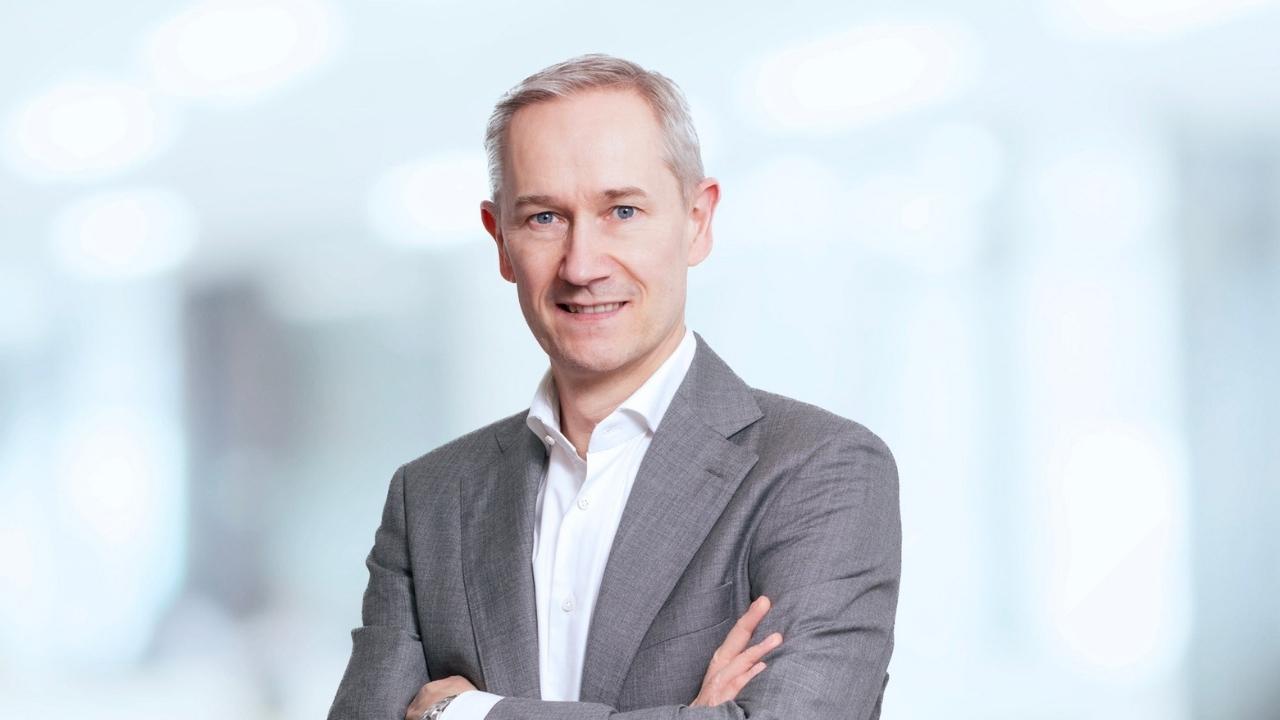
The Bahamas Oil Refining Co. (BORCO) storage terminal in Freeport, Bahamas, is set to expand and return to its original capacity of 20 million barrels by the end of 2009, Tom Sikorski, Managing Director of stakeholder First Reserve, told OPIS earlier this week.

The terminal, located in Freeport, Bahamas, just 80 miles of the coast of Florida, is the largest storage terminal in the Caribbean offering blending, transhipment and bunkering services from a strategically positioned location.

First Reserve and Vopak completed their acquisition of the Bahamas Oil Refining Company (BORCO) terminal - renamed Vopak Terminal Bahamas - in April 2008. The equity value of the new company amounted to $550 million, split 80%-20% between First Reserve and Vopak respectively.

Vopak is the world's largest independent tank terminal operator specializing in the storage and handling of liquid and gaseous chemical and oil products, whilst First Reserve Corporation is the leading private equity firm that specializes in the energy industry.

Following the acquisition of the Freeport terminal last year, the new owners pledged to expand the existing operational capacity in the near term.

Speaking at the time of the acquisition, William E. Macaulay, Chairman and CEO of First Reserve Corporation said "The facility will provide significant value for our strategic partners while also providing tremendous growth opportunities to the Bahamas."

A week ago, three large smoke stacks at the old BORCO refinery were demolished to clear the way for more expansion work as well as for enviromnental reasons.

The current operating capacity at BORCO is 14 million barrels with the remaining 6 million barrels rendered unusable due to corrosion, Sikorski said.

The majority of total operational capacity - over 10 million barrels - is used to store residual fuel and the balance is used for crude.

Last year First Reserve indicated that it the facility's capacity could be increased by up to 5 million cubic metres for the storage and handling of clean petroleum products as well as fuel oil and crude. However, Sikorski said this week that there are no concrete plans yet on whether the new tanks would be designated for dirty or clean products.

"It will depend on the storage demand of clean products," he said.


Hapag-Lloyd and DSV logo side by side. Hapag-Lloyd and DSV sign 18,000-tonne CO2e reduction agreement for sustainable marine fuels  

Two-year framework allows inclusion of alternative fuels beyond biofuels in shipping decarbonisation partnership.

Bangkok city skyline. Uni-Fuels opens Thailand office as part of Southeast Asia expansion  

Marine fuel supplier establishes Bangkok entity, appoints managing director with 15 years’ industry experience.

Washington State Hybrid-Electric 160-Auto Ferry vessel render. Corvus Energy to supply battery systems for Washington State Ferries hybrid vessels  

ABB selects Corvus for two new 160-vehicle ferries as part of $3.98bn electrification plan.

Vinssen and Mana Engineering sign MoU. Vinssen, Mana Engineering partner on hydrogen fuel cell retrofit for 800-teu feeder vessel  

South Korean and Dutch firms to pursue Lloyd’s Register approval for hybrid retrofit concept.

Hercules Elisabeth vessel. Hercules Tanker Management takes delivery of second Ultra-Spec vessel in China  

Hercules Elisabeth is the second of 10 hybrid-ready tankers designed for alternative fuels.

Wolf 1 vessel. Petrol Ofisi launches fuel supply tanker Wolf 1  

Turkish bunker supplier adds 1,750-dwt vessel with alternative fuel infrastructure to fleet.

BIMCO meeting. BIMCO to convene for adoption of biofuel clause and ETS provisions at February meeting  

Documentary Committee to consider new contractual frameworks for alternative fuels and emission trading scheme compliance.

Sea Change II vessel render. Incat Crowther and Switch Maritime develop 150-passenger hydrogen ferry for New York  

Design work begins on 28-metre vessel with 720 kg hydrogen capacity and 25-knot speed.

Aerial view of a container vessel. HIF Global signs heads of agreement with German eFuel One for 100,000 tonnes of e-methanol annually  

Deal covers supply from HIF’s Uruguay project, with e-methanol meeting EU RED III standards.

Welcoming of Kota Odyssey at Jordan’s Aqaba Container Terminal. PIL’s LNG-powered vessel makes maiden call at Jordan’s Aqaba port  

Kota Odyssey is Pacific International Lines’ first LNG-fuelled ship to call at the Red Sea port.


 Recommended