
 |
We spoke to Adrian Beciri, CEO of the logistics provider Ducat Maritime, based in Limassol, Cyprus. Ducat focuses on West Africa, covering dry bulk and bagged goods, and predominantly buys very-low-sulphur fuel oil (VLSFO) and some low-sulphur marine gasoil (LSMGO), mainly from Singapore, Colombo and Trincomalee. The company operates break bulk shipping routes combined with in-port logistics solutions, and fuel is occasionally also purchased in South Africa and Fujairah as well as small parcels up and down the west coast of Africa.
As one of the largest transporters of rice to West Africa, when it comes to bunker-related issues, Beciri explains that “often the price of fuel is secondary to the actual logistics, in some locations”. For example, with offshore bunker delivery vessels moving up and down the coast of West Africa, and misrepresentations of where the tanker is located, actually getting to it “might cost you upwards of $30,000, $40,000” — double that during Covid.
But perhaps more difficult to navigate is the “general lack of accountability” in shipping, according to Beciri, who reflects that “lots of people are trying to pass the buck and cover up evidence. That's just a characteristic of the industry”.
As an example, Beciri notes that some bunker suppliers “lowball the volume of fuel ... and you’re never sure if a deal has been done on the side”. And in disputes when the fuel is said to not meet ISO 2017 specifications, for example, “it is difficult to bring any damages against a supplier ... because the terms of trade on bunkers are very rigid”.
Beciri adds that even sellers with a good reputation “tend to step away from the process and let you handle it”. Poor quality fuel damages engines, but when it comes to bunker claims “it’s about establishing causality, because you don’t know if that’s pre-existing damage. ... Discovery is actually quite hard in the shipping industry”. And with piracy, and the “wacky margins” involved in the premium for fuel in West Africa, there tends to be a general lack of fluidity, he contends.
The maritime industry has, for some time, been calling for the more widespread use of mass flow meters, and as seen at a recent China Petroleum Circulation Association (CPCA) meeting held on January 9, pressure is helping to build innovation and alliances. Ducat already runs quantity surveys, but Beciri would like to see the implementation of “a standard flow meter, regulated by an international body ... because a lot of these discrepancies are caused by owners misdeclaring intentionally the amount of fuel that they consume”. This is where industry experience becomes extremely valuable. Beciri explains that Ducat have operators with seven or eight years’ experience in handling these types of incidents.
As the firm operates predominantly between Asia and Africa, the effects of the new European Union greenhouse gas (GHG) emissions trading scheme (EU ETS) have so far not been felt. But with the IMO currently also debating different plans to cut GHGs on a global level, Beciri is adamant that “having seen these things over the past decades ... there will need to be buy-in from industry”.
“Everyone can see the benefits to the environment,” he says, but changes will need to be made “with a lot of feedback from commercial entities so that people understand that there are consequences and damages to the commercial world from doing this”.
Staying ahead of the market and being “nimble” is Beciri’s strategy ahead of regulatory changes around emissions, drawing on the experience of having to switch from high-sulphur fuel oil (HSFO) to VLSFO as stricter IMO regulations came into effect in 2020 — when the firm “had to hedge ... and pre-book a whole load of bunkers in advance”.
Ducat has so far not seen sweeping changes with the Energy Efficiency Existing Ship Index (EEXI) regulations. Despite reports citing a rise in newbuild orders capable of running on alternative fuels, Beciri thinks the market “is not really responding” and stakeholders “do not want to commit to a 30-year asset” because “they don’t know what the regulatory landscape is going to look like”.
Ducat's CEO sympathizes with the regulators, acknowledging that there will be very different scientific opinions, but he also sees “a lot of indecision”. He thinks the bigger shipping companies "are involved in greenwashing by investing in an experimental model and burning XYZ fuel, [when] we don't really know what the outcome will be”.
As regards the pooling of ships on an environmental basis, Beciri believes it will function in the same way that commercial pooling currently works and that there will be advantages to having a polluting or environmental ship in the pool.
Ultimately, he suspects “there’ll be some kind of pollution tax ... and there’ll need to be a regulatory agency that does that”, with feedback from commercial entities. Ducat’s responsibilities as a large transporter will continue to be that they “need to make sure they get the pricing right, passing the risk appropriately”.
“A quick environmental win” that seems to be working, in Beciri's view, is that ships are now generally running a lot slower, at eco-speeds. He posits that this has not caused an increase in prices as the extra time cost is being matched by reductions elsewhere.
Beciri adds that an alternative, preferred green fuel is much more likely to be “a high-density chemical liquid that releases energy” — as the higher the energy density of a fuel, the less space is needed for fuel storage, and more space is then available for regular cargo.
|
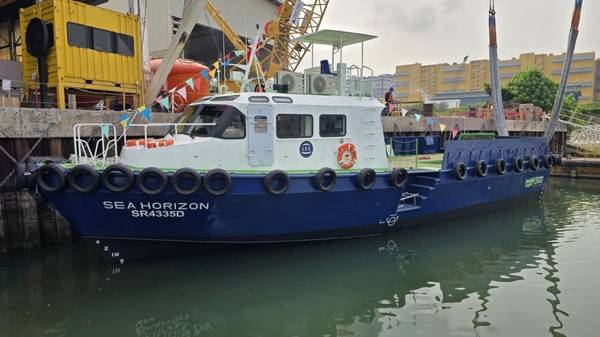
Pinnacle Marine launches second B100-compatible harbour craft for Les Star
Sea Horizon joins Singapore’s harbour craft fleet. |
|
|
|
||
|
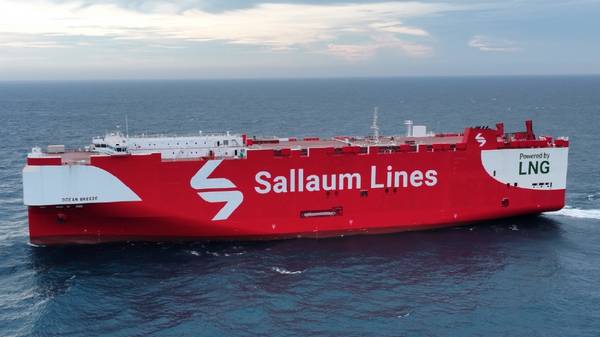
Sallaum Lines orders LNG-fuelled, ammonia-ready PCTCs from Chinese yards
Operator signs shipbuilding agreements for new generation of 8,600-CEU vessels, taking its newbuild investment past $1bn. |
|
|
|
||
|
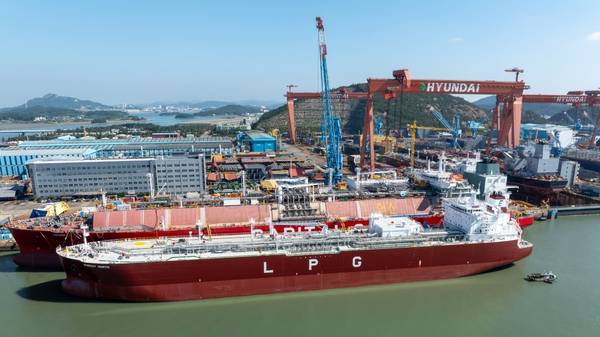
Nakilat takes delivery of dual-fuel carrier in South Korea
Ammonia-ready design positions vessel to play key role in future low-carbon energy supply chains, says Qatari firm. |
|
|
|
||
|
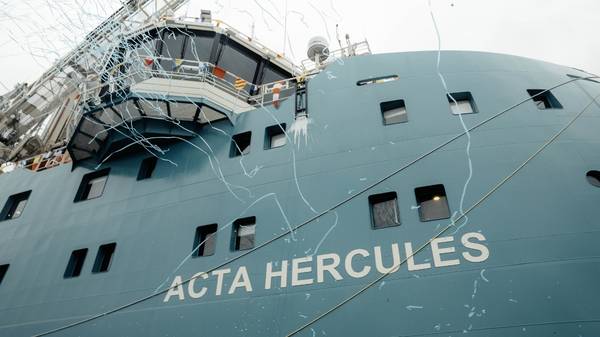
Acta Marine christens methanol dual-fuel vessel Acta Hercules in IJmuiden
Dutch operator marks the christening of its second newbuild CSOV. |
|
|
|
||
|
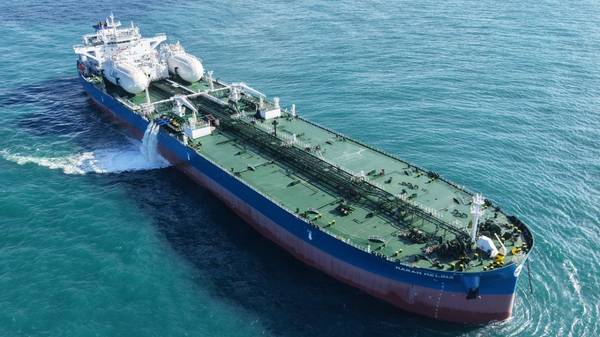
Angelicoussis Group takes delivery of fifth dual-fuel Suezmax tanker
Maran Tankers Management adds the 155,500-DWT Maran Melina to its fleet. |
|
|
|
||
|
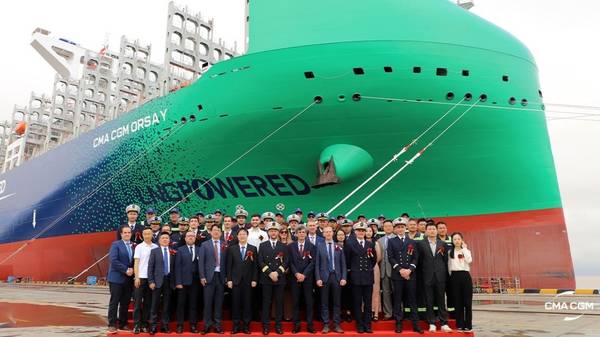
CMA CGM takes delivery of LNG-powered Orsay for Asia-Europe trade
24,212-TEU vessel joins 10-ship series, adding capacity to the carrier's FAL3 route. |
|
|
|
||
|
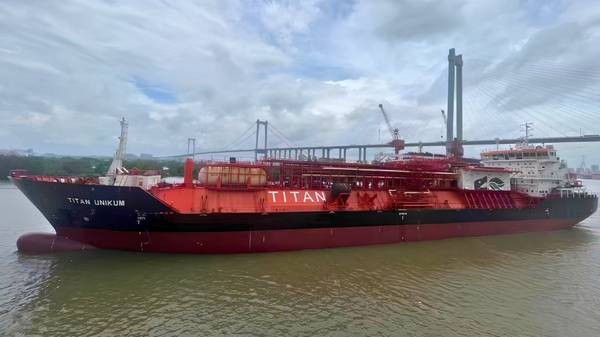
Titan Clean Fuels completes 15-year survey on LNG bunkering vessel Titan Unikum
Multi-gas carrier has undergone dry-docking work at a Chinese yard, preparing it for future upgrades. |
|
|
|
||
|
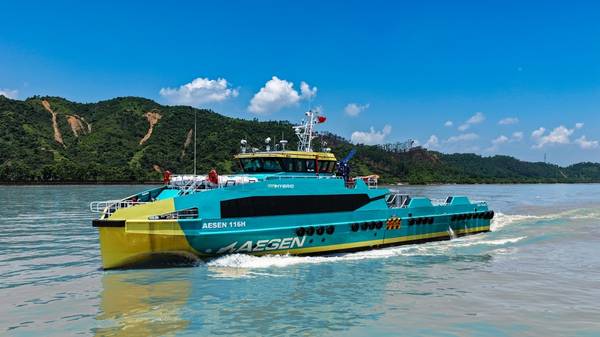
Lehmann Marine’s CUBE battery system debuts in China aboard hybrid crew boat
German battery maker’s first Chinese installation targets fuel savings on a Cheoy Lee-built vessel for a Singapore operator. |
|
|
|
||

|
Iino Lines secures transition loan from Mizuho Bank for LPG dual-fuel VLGC
Japanese shipowner finances the acquisition of Lumi Aurora through a green transition finance framework aligned with ICMA guidelines. |
|
|
|
||
|
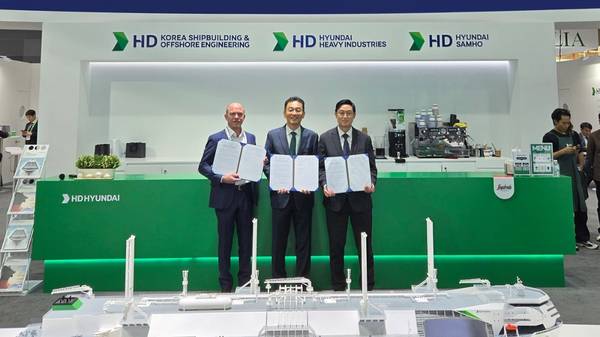
ABS, HD KSOE and Siemens partner on digital twin technology for ammonia-fuelled ship safety
Three firms will combine CFD analysis and digital twin technology to assess ammonia leak scenarios in vessel design. |
|
|
|
||
| ExxonMobil to launch Singapore MFM deliveries for MGO in May [News & Insights] |
| Bunker suppliers given 14 months to fit MPA-approved MFMs for distillate deliveries [News & Insights] |
| VPS flags up Singapore delivery shortages and failure to comply with MFM standard [News & Insights] |
| Titan Clean Fuels completes 15-year survey on LNG bunkering vessel Titan Unikum [News & Insights] |
| Japan completes first methanol-fuelled coastal vessel and conducts inaugural bunkering [News & Insights] |
| TFG Marine fits mass flow meter to Jamaica-bound bunker barge [News & Insights] |
| TFG Marine fits mass flow meter to Jamaica-bound bunker barge [News & Insights] |
| Monjasa announces full-chain marine fuel operations in Cartagena [News & Insights] |
