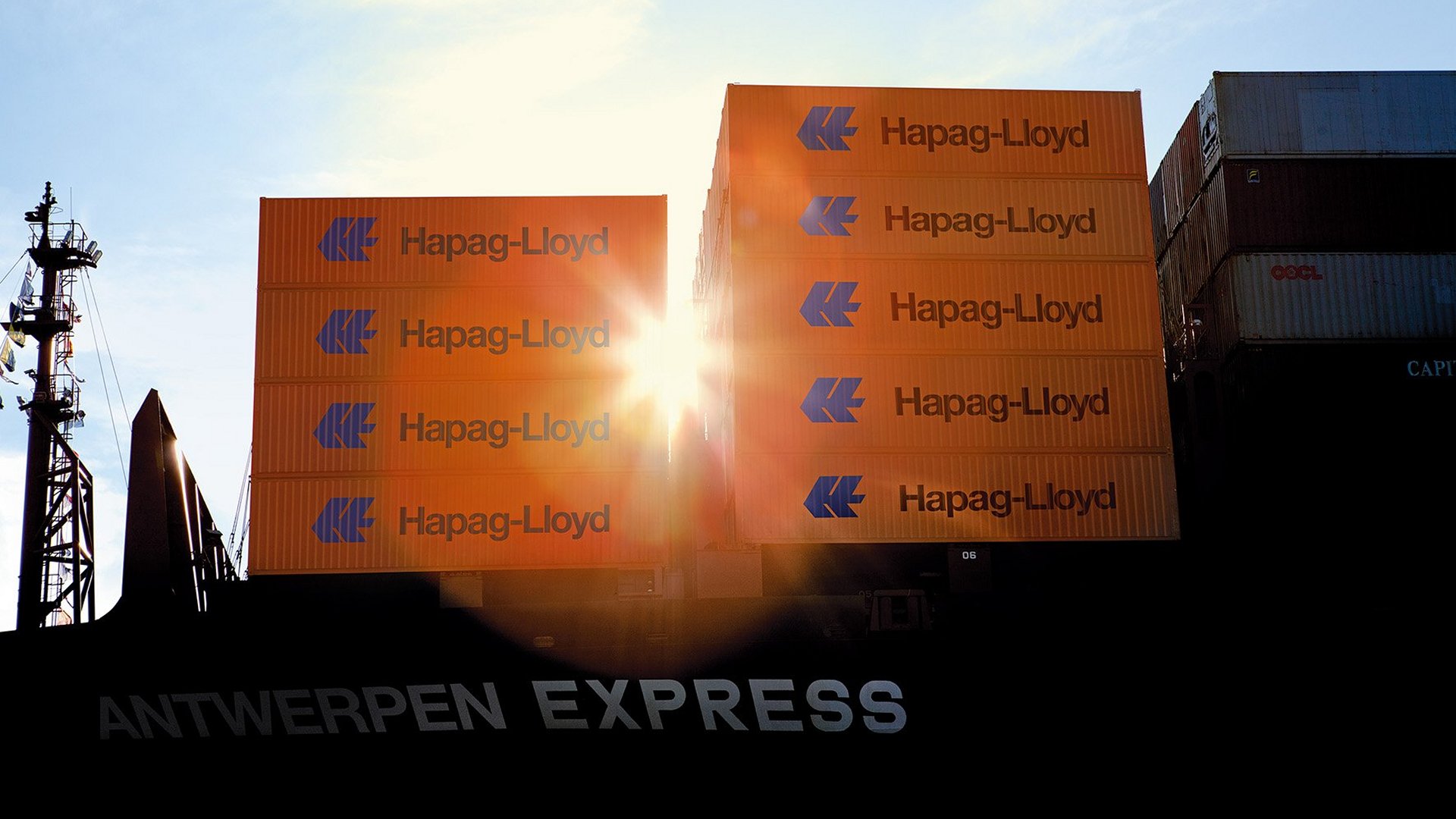
ExxonMobil has begun supplying Hapag-Lloyd with B30 marine bio fuel oil in the Amsterdam-Rotterdam-Antwerp (ARA) region following the completion of a signed agreement between both parties.
The supplier notes that it performed a biofuel delivery in ARA that was a 0.50% sulphur residual-based fuel (VLSFO) processed with waste-based fatty acid methyl esters (FAME).
The resulting blend is said to have met ISO 8217:2017 marine fuel specifications, with the FAME content complying with EN 14214 requirements and ISCC-certified 2nd generation, meaning that it does not compete for water and agricultural resources used for food production.
Compared with conventional petroleum-based VLSFO, ExxonMobil states that the fuel can deliver a well-to-wake CO2 emissions reduction of up to 87% for the bio-component, calculated on an energy basis using Energy Directive (2018/2001/EU Annex V) ('RED II') of the European Parliament and of the Council of the European Union — thus offering vessel operators a solution when looking to reduce the greenhouse gas emissions from their operations.
"We aim to have net-zero greenhouse gas emissions for our entire fleet by 2045 by using alternative fuels," said Jan Christensen, Senior Director, Global Fuel Purchasing, at Hapag-Lloyd. "Bunkering ExxonMobil's marine bio fuel oil blend is yet another step towards turning our commitment into a reality."
Aly Abdelmotaal, Regional Marine Marketing Manager, ExxonMobil, commented: "This agreement and delivery marks an important development for both ExxonMobil and our customers."
"By boosting our biofuel offer we can now further support the marine industry's commitment to reducing GHG emissions, in line with the International Maritime Organization’s (IMO) stated ambitions."
As previously reported, ExxonMobil completed its first trial of marine bio fuel oil in Rotterdam back in 2020, with trials carried out in cooperation with Stena Bulk.
And in August and September 2022, the supplier performed commercial trials of bio-based marine fuel in Singapore with a 0.50% sulphur residual-based fuel (VLSFO) processed with up to 25% waste-based FAME.
|
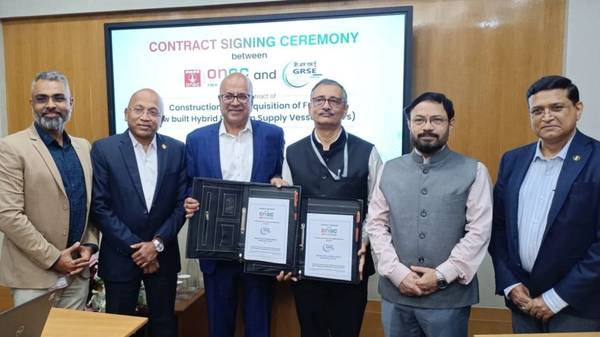
GRSE signs contract with ONGC to build four hybrid platform supply vessels
Indian shipbuilder adds offshore support vessels to its portfolio with hybrid propulsion contract for state oil firm. |
|
|
|
||
|
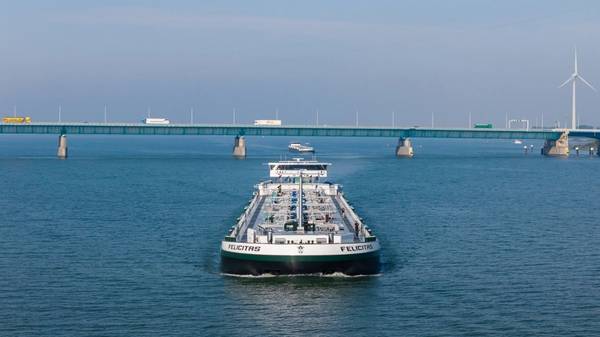
AMS Barging christens methanol-ready tanker as fleet reaches 17 vessels
Dutch inland shipping company adds 9,000-cbm diesel-electric tanker Felicitas, designed for future conversion to methanol bunkering. |
|
|
|
||
|
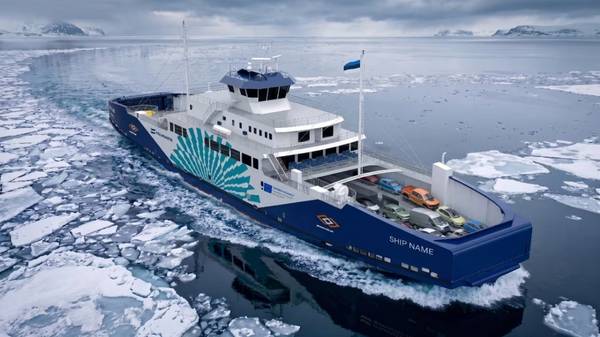
Steerprop to supply next-generation CRP units for Estonia's first electric ferry
Finnish propulsion specialist Steerprop will equip a CRIST-built electric ferry with upgraded contra-rotating propeller technology for the Estonian State Fleet. |
|
|
|
||
|
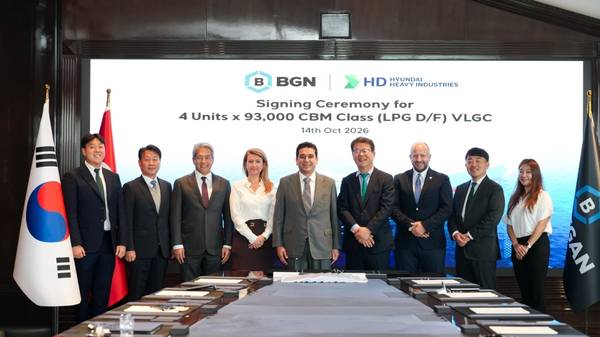
BGN orders four more dual-fuel LPG carriers from HD Hyundai Heavy Industries
New contract brings BGN's 2026 orders with HD HHI to 10 vessels and will increase its owned VLGC fleet to 23 ships. |
|
|
|
||
|
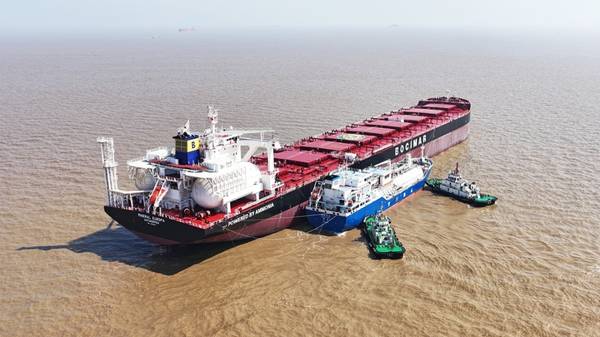
World's first ship-to-ship green ammonia bunkering operation completed in China
Shenghang Yongle supplied 1,000 tonnes of green ammonia to CMB.Tech's Mineral Europa, connecting the fuel's full supply chain. |
|
|
|
||
|
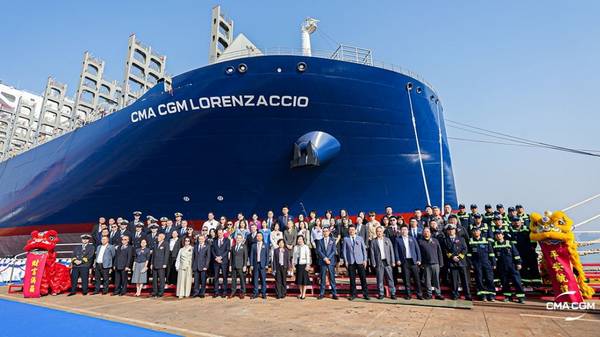
15,000-TEU methanol-powered boxship named CMA CGM Lorenzaccio
French carrier adds literature-inspired vessel to its methanol-powered fleet for deployment on the REX2 service. |
|
|
|
||
|
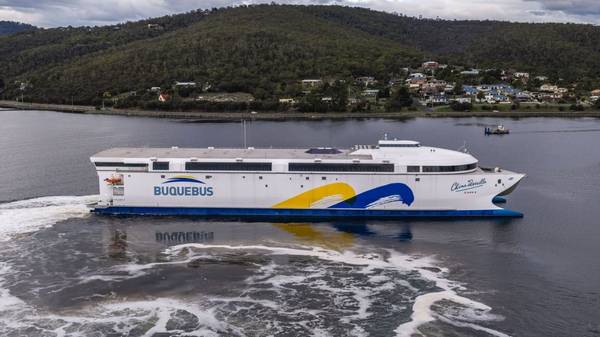
Battery-electric ferries grow in scale as aluminium multihulls gain market share
DNV highlights the rise of battery-electric aluminium ferries, spotlighting the delivery of the world's largest such vessel. |
|
|
|
||
|
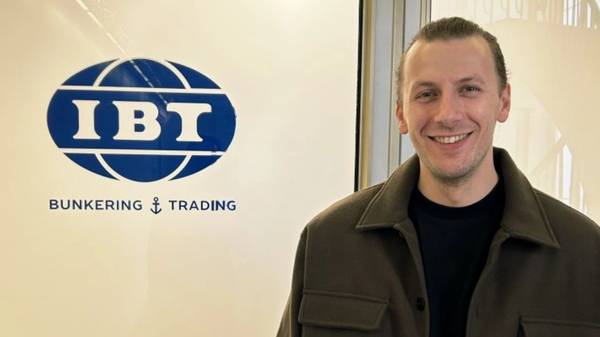
IBT Bunkering & Trading appoints Sales Support Specialist
Björn Hauschild joins from shipyard broker CombiTrade. |
|
|
|
||
|
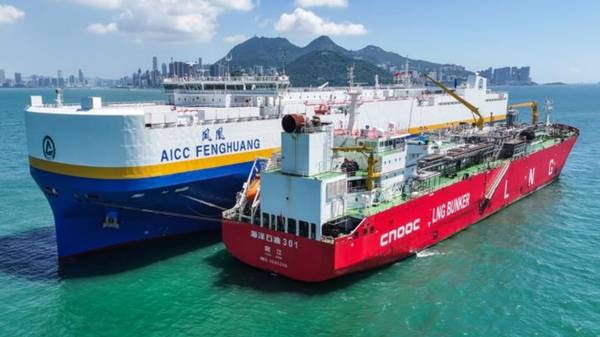
CLPe and CNOOC complete Hong Kong's first LNG bunkering of a pure car and truck carrier
Ship-to-ship operation delivered around 2,600 cbm of LNG to dual-fuel vessel AICC Fenghuang. |
|
|
|
||
|
Mercuria seeks senior sales and account manager for bunker delivery platform
Role can be based either remotely or at one of its offices in London, Geneva, Athens or Las Palmas. |
|
|
|
||
| ExxonMobil performs biofuel test deliveries in Singapore [News & Insights] |
| ExxonMobil completes trial of its first bio fuel oil [News & Insights] |
| GRSE signs contract with ONGC to build four hybrid platform supply vessels [News & Insights] |
| Steerprop to supply next-generation CRP units for Estonia's first electric ferry [News & Insights] |
| BGN orders four more dual-fuel LPG carriers from HD Hyundai Heavy Industries [News & Insights] |
| ROC wins order for PSVs featuring replaceable containerised battery system [News & Insights] |
| NYK–MISC joint venture signs charter for 18,700-cbm LNG carrier with Malaysia LNG [News & Insights] |