|
Cosco Shipping names 88,000-cbm VLGC Chang Ping Yuan with dual-fuel LPG propulsion
Owner claims 20% CO₂ reduction and Panama Canal compatibility across both lock systems. |
|
|
|
||

|
World Fuel seeks senior marine fuels sales executive in London
Position requires minimum of 10 years' experience in marine fuels, marine energy, or shipping. |
|
|
|
||

|
Amogy and LOTTE Fine Chemical sign MoU to advance ammonia solutions in South Korea
Partnership structured around ammonia bunkering, hydrogen refuelling infrastructure, and distributed ammonia-to-power generation. |
|
|
|
||

|
WinGD wins order for dual-fuel alcohol engines for Polaris Shipping Newcastlemax fleet
Four-engine order giving shipowner methanol and ethanol fuel flexibility. |
|
|
|
||

|
Trelleborg and Simwave launch LNG transfer equipment training programme at Gastech 2026
New e-learning programme aims to close crew competency gaps as LNG bunkering grows and alternative fuels enter service. |
|
|
|
||

|
K Line names dual-fuel LNG carrier Toho Emerald at Samsung Heavy Industries yard
174,000-cbm vessel, built for a joint venture with Toho Gas, is due for delivery next month. |
|
|
|
||

|
MOL names world’s first LNG carrier fitted with wind-assisted propulsion for Chevron charter
Fujin Sailor is also the first vessel of any type to carry two Wind Challenger units. |
|
|
|
||

|
SEA-LNG urges EU to protect mass-balance pathway for liquefied biomethane
Industry coalition warns regulatory missteps could undermine LBM's rapid growth in maritime. |
|
|
|
||
|
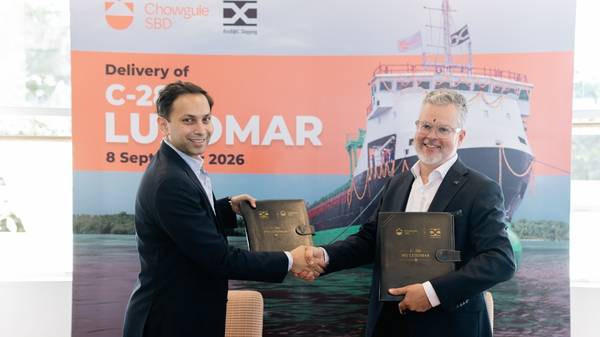
ESL Shipping completes Green Coaster fleet with delivery of twelfth vessel Luxomar
Baltic dry bulk carrier has finalised a twelve-vessel plug-in hybrid coaster programme built in India. |
|
|
|
||
|
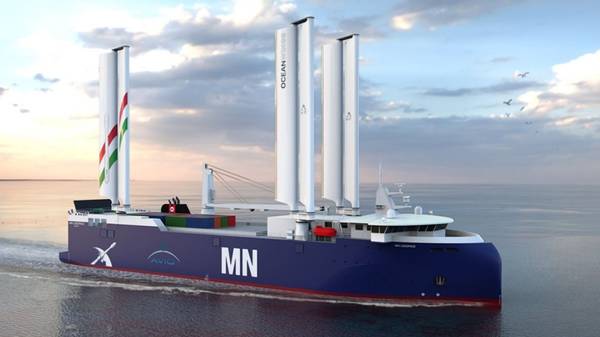
Compagnie Maritime Nantaise orders hybrid ro-ro vessel for European space cargo runs
French shipping company commissions wind-assisted vessel with biofuel capability to serve growing European space industry. |
|
|
|
||
| Probunkers reveals plan to become major LNG bunker player [News & Insights] |
| Trelleborg and Simwave launch LNG transfer equipment training programme at Gastech 2026 [News & Insights] |
| LNG bunker fleet may need to more than double by 2030, DNV warns [News & Insights] |
| LR awards approval in principle to Chinese yard for 12,500-cbm LNG bunker vessel design [News & Insights] |
| TFG Marine fits two more US Gulf Coast barges with certified mass flow meters [News & Insights] |
| HTM’s Hercules Vanessa begins maiden voyage as Ultra-Spec tanker series expands [News & Insights] |