
|
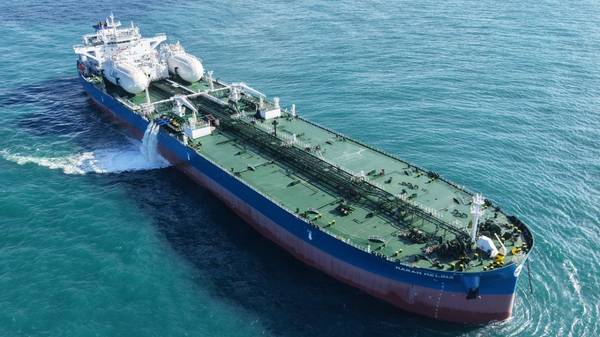
Angelicoussis Group takes delivery of fifth dual-fuel Suezmax tanker
Maran Tankers Management adds the 155,500-DWT Maran Melina to its fleet. |
|
|
|
||
|
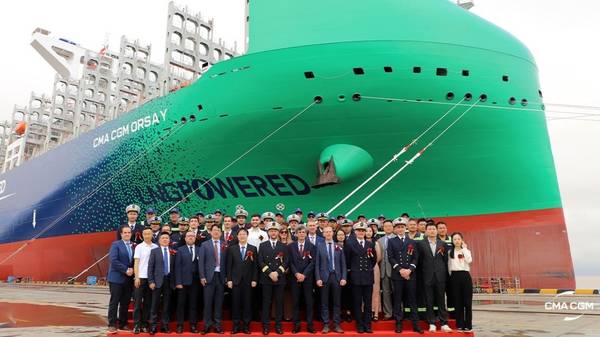
CMA CGM takes delivery of LNG-powered Orsay for Asia-Europe trade
24,212-TEU vessel joins 10-ship series, adding capacity to the carrier's FAL3 route. |
|
|
|
||
|
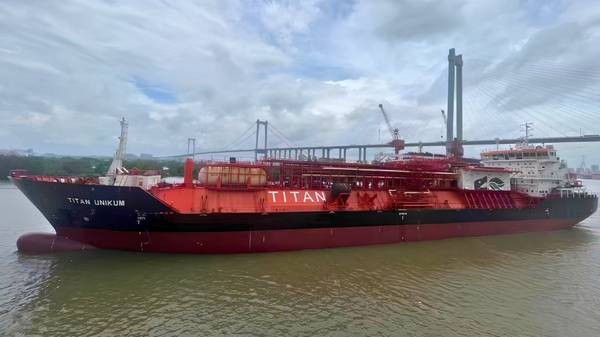
Titan Clean Fuels completes 15-year survey on LNG bunkering vessel Titan Unikum
Multi-gas carrier has undergone dry-docking work at a Chinese yard, preparing it for future upgrades. |
|
|
|
||
|
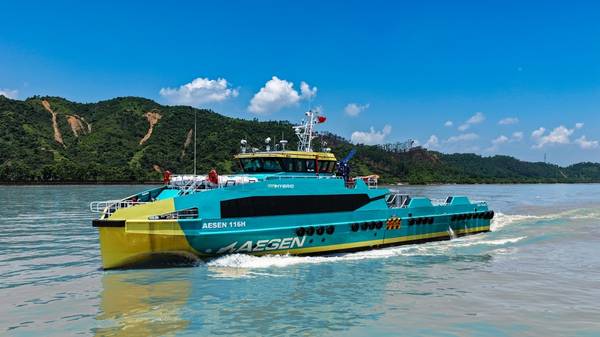
Lehmann Marine’s CUBE battery system debuts in China aboard hybrid crew boat
German battery maker’s first Chinese installation targets fuel savings on a Cheoy Lee-built vessel for a Singapore operator. |
|
|
|
||

|
Iino Lines secures transition loan from Mizuho Bank for LPG dual-fuel VLGC
Japanese shipowner finances the acquisition of Lumi Aurora through a green transition finance framework aligned with ICMA guidelines. |
|
|
|
||
|
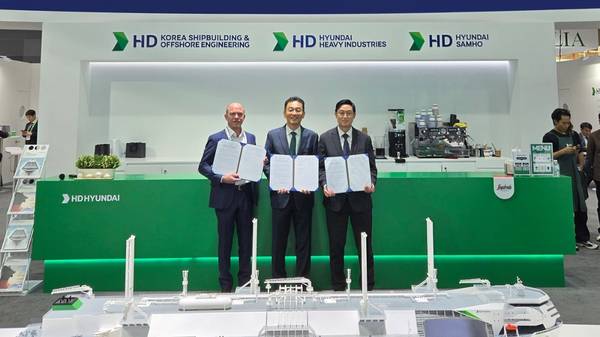
ABS, HD KSOE and Siemens partner on digital twin technology for ammonia-fuelled ship safety
Three firms will combine CFD analysis and digital twin technology to assess ammonia leak scenarios in vessel design. |
|
|
|
||
|
Nuclear-powered LNG carriers cost more upfront but cut lifetime fuel bills, ABS-backed study finds
Joint study with Blossom Energy examines the economics of a 174,000-cbm LNG carrier powered by a small reactor. |
|
|
|
||

|
Flex Commodities appoints Christos Doulaveris as general manager for Greece
Bunker trader strengthens its Greek operations with a new leadership appointment. |
|
|
|
||
|
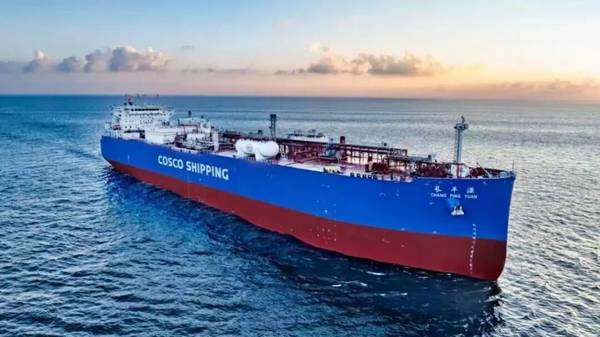
China delivers first domestically built VLGC under Chinese flag
Cosco Shipping’s new 88,000-cbm gas carrier features an LPG dual-fuel main engine. |
|
|
|
||
|
Electric and hybrid ferries could cut Sea of Marmara emissions by 63%, IMO study finds
A GreenVoyage2050 study finds that electrification could slash emissions, avoid €492 million in damage costs and support jobs. |
|
|
|
||
| Rotterdam launches incentive scheme for bunker-saving inland shipping projects [News & Insights] |
| Port of Rotterdam to study clean fuel bunkering facility at Krabbegors [News & Insights] |
| LNG bunker vessel Cardissa christened in Rotterdam [News & Insights] |
| Rotterdam's new hybrid patrol boat set to start operating in September [News & Insights] |
| Rotterdam targets 'virtually zero' emissions by 2050 [News & Insights] |
| Petrobras launches HSFO bunker sales in Rio de Janeiro [News & Insights] |
| Changhong International launches eighth LNG dual-fuel container ship for MSC [News & Insights] |
| CSL and OWL launch first subsea rock installation vessel for offshore wind [News & Insights] |
| Portsmouth switches on UK’s first multi-berth shore power system [News & Insights] |
| Trafigura spins off VLCC fleet into new listed shipping company [News & Insights] |

