
|
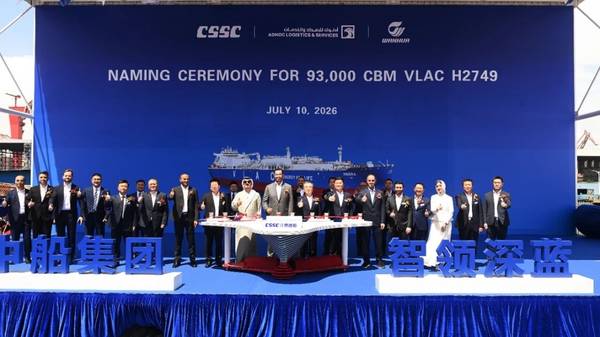
Naming ceremony held for LPG dual-fuel ammonia carrier
VLAC Meera named during event held in China on 10 July. |
|
|
|
||
|
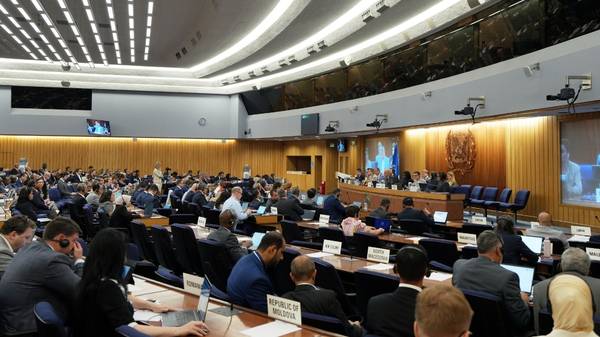
IMO adopts Singapore-led resolution on protection of shipping lanes
Thirty co-sponsors back a resolution reaffirming navigational rights under international law. |
|
|
|
||
|
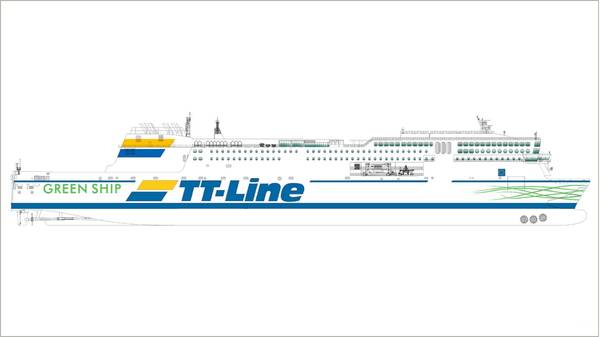
TT-Line orders second LNG-hybrid battery ferry for Baltic Sea operations
German ferry operator doubles down on LNG-hybrid technology with a second next-generation newbuild. |
|
|
|
||
|
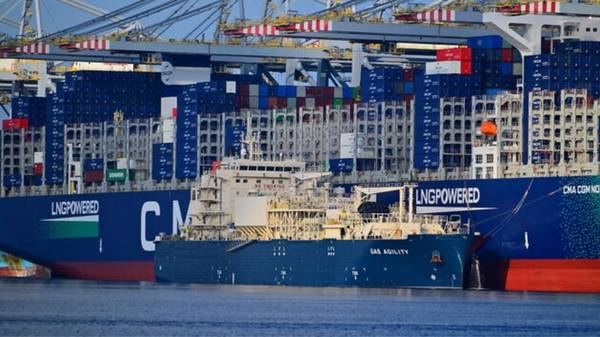
CMA CGM Notre Dame receives first European bio-LNG bunkering during Rotterdam maiden call
LNG-powered container ship takes on bio-LNG derived from agricultural waste. |
|
|
|
||
|
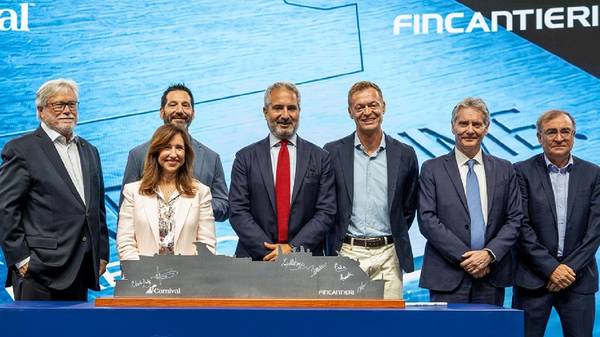
Fincantieri marks 30 years with Carnival as steel cutting begins for new LNG-powered Carnival Destiny
Italian shipbuilder Fincantieri has begun construction of the first of three new Ace-class ships for Carnival Cruise Line. |
|
|
|
||
|
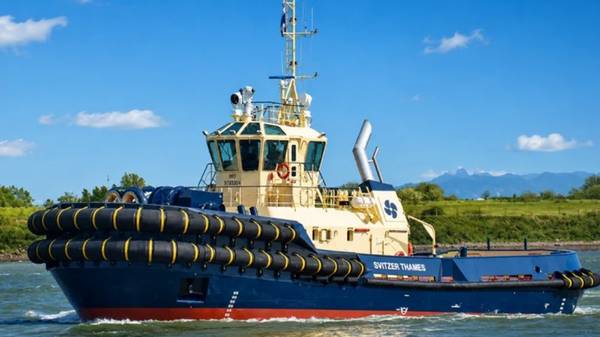
DP World and Svitzer bunker first HVO-fuelled harbour tug at London Gateway
Carbon inset scheme expands as tug switches from marine diesel to HVO. |
|
|
|
||
|
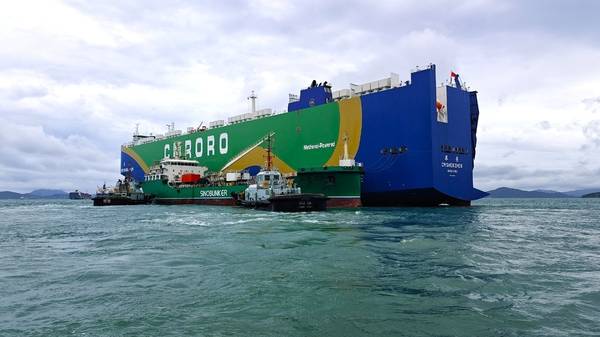
Venture Energy and Sinopec HK complete 'Hong Kong’s largest ever green bunkering'
Delivery of 1,000 tonnes of methanol to ro-ro vessel hailed as new record for Hong Kong. |
|
|
|
||

|
Seascale Energy appoints Soo Yong Koo as business development director
Industry veteran hired to drive customer growth in Asia and beyond. |
|
|
|
||
|
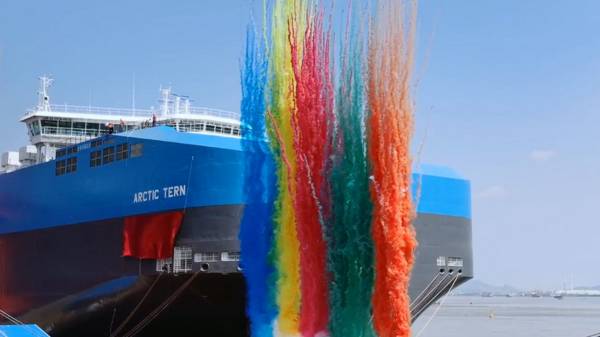
Wallenius Wilhelmsen takes delivery of first methanol-ready Shaper Class vessel
The dual-fuel Arctic Tern will enter service on the Asia–Europe trade almost immediately. |
|
|
|
||
|
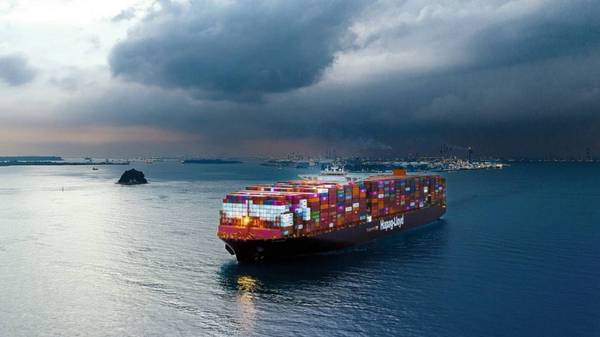
Hapag-Lloyd signs shore power agreement with Hamburg Port Authority
Deal commits the carrier to using onshore power supply at all Hamburg terminals. |
|
|
|
||
| Polish firms claim LNG bunker delivery first [News & Insights] |
| Dual-fuel vessels will dominate next decade, says Columbia Group [News & Insights] |
| TotalEnergies charters hybrid lubricants bunkering barge for Fujairah operations [News & Insights] |
| Dalian Shipbuilding's wind-assisted LNG carrier design receives Bureau Veritas approval [News & Insights] |
| Sallaum Lines launches Blue Corridor sustainability initiative for Europe–Africa ro-ro trade [News & Insights] |
| IMO technical seminar on methane-based fuels closes registration this week [News & Insights] |

