
|
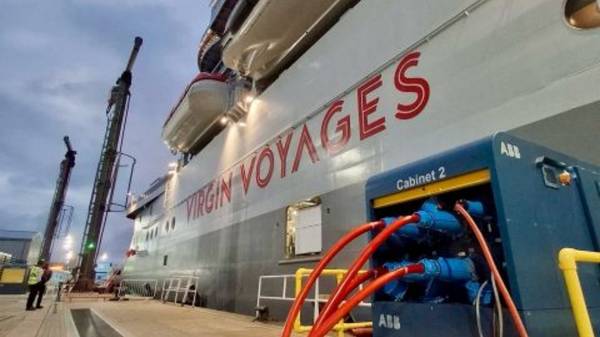
Portsmouth International Port makes first commercial shore power connection with cruise ship
Virgin Voyages’ Valiant Lady plugs into Portsmouth International Port’s shore power system, with two ships connected simultaneously. |
|
|
|
||

|
EmissionLink calls for fairer EU ETS expansion and greater reinvestment in maritime decarbonisation
Emissions compliance specialist warns that broader coverage alone will not deliver practical decarbonisation. |
|
|
|
||
|
Peninsula and Evos sign MoU to develop biofuel storage at Algeciras terminal
Partnership aims to develop up to 60,000 cbm of dedicated biofuel storage capacity at the Strait of Gibraltar. |
|
|
|
||
|
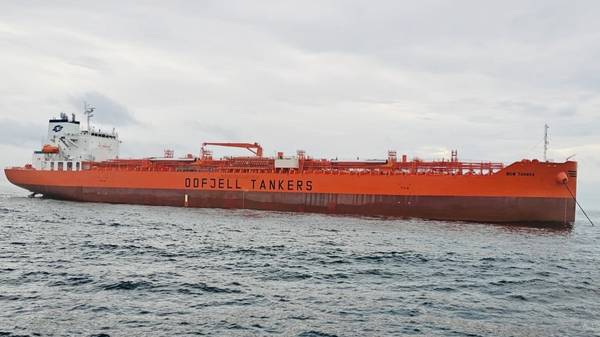
Odfjell names chemical tanker with wind-assisted propulsion at Japanese yard
40,000-dwt stainless-steel supersegregator is claimed to improve energy efficiency by up to 50%. |
|
|
|
||

|
Towngas calls for Hong Kong 'Energy Office' and green certification hub in five-year plan proposals
Hong Kong’s gas utility submits eight-point plan to shape the city’s energy future to 2030. |
|
|
|
||

|
Malik Supply seeks bunker trader for Dubai office expansion
Danish firm looking for experienced professionals with a minimum of two years in bunker trading. |
|
|
|
||
|
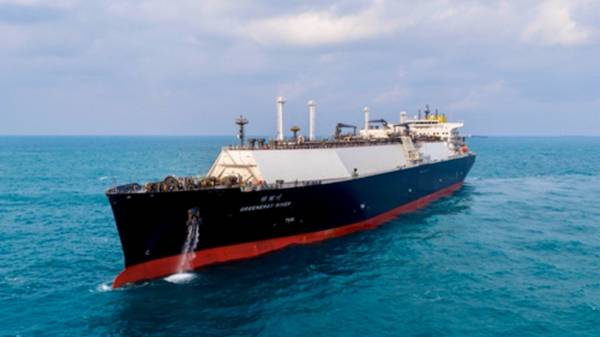
NYK joint venture names first China-built dual-fuel LNG carrier in six-vessel CNOOC series
174,000-cbm vessel uses both fuel oil and boil-off gas as fuel. |
|
|
|
||

|
Anew Climate joins SEA-LNG coalition to advance bio-LNG adoption in the maritime sector
North American low-carbon fuels company brings liquefied biomethane supply to the coalition. |
|
|
|
||
|
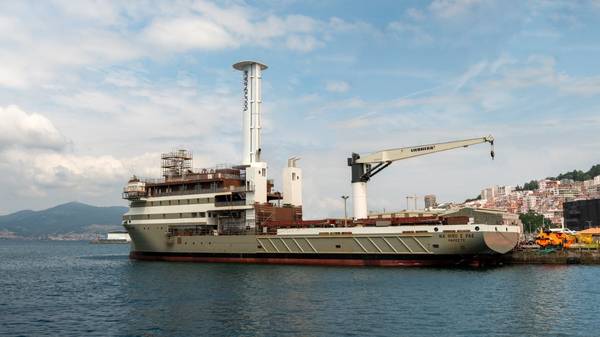
Wind propulsion breaks new ground on French Polynesian multipurpose vessel
Bound4blue installs its eSAIL on what is believed to be the world’s first multipurpose vessel fitted with wind propulsion. |
|
|
|
||
|
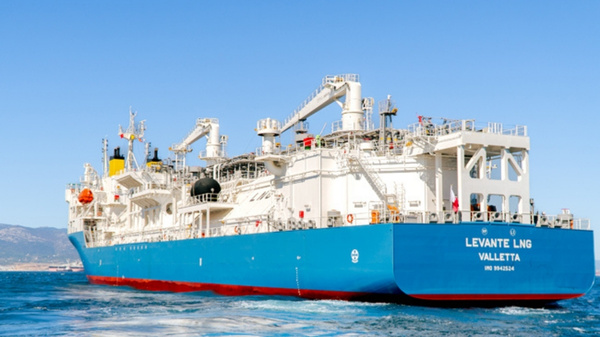
Peninsula outlines case for bio-LNG as near-term emissions pathway for LNG-fuelled vessels
Company says bio-LNG offers operators a practical route to emissions cuts using existing infrastructure. |
|
|
|
||
| Viking Line ferry set to save fuel with rotor sail retrofit [News & Insights] |
| Viking Line signs LOI to build LNG-fuelled passenger vessel [News & Insights] |
| Milestone reached: Viking Grace has refuelled with LNG 1,000 times [News & Insights] |
| Tsuneishi Shipbuilding delivers world’s first LNG dual-fuel Kamsarmax bulk carrier [News & Insights] |
| Wah Kwong marks steel-cutting for third dual-fuel LNG carrier at Dalian Shipyard [News & Insights] |
| LD Armateurs launches second low-emission ro-ro vessel for Airbus charter fleet [News & Insights] |
| Bureau Veritas approvals extend classification society coverage for Anemoi Rotor Sail range [News & Insights] |
| Destinations revealed for 2027 launch of LNG-powered Explora V [News & Insights] |

