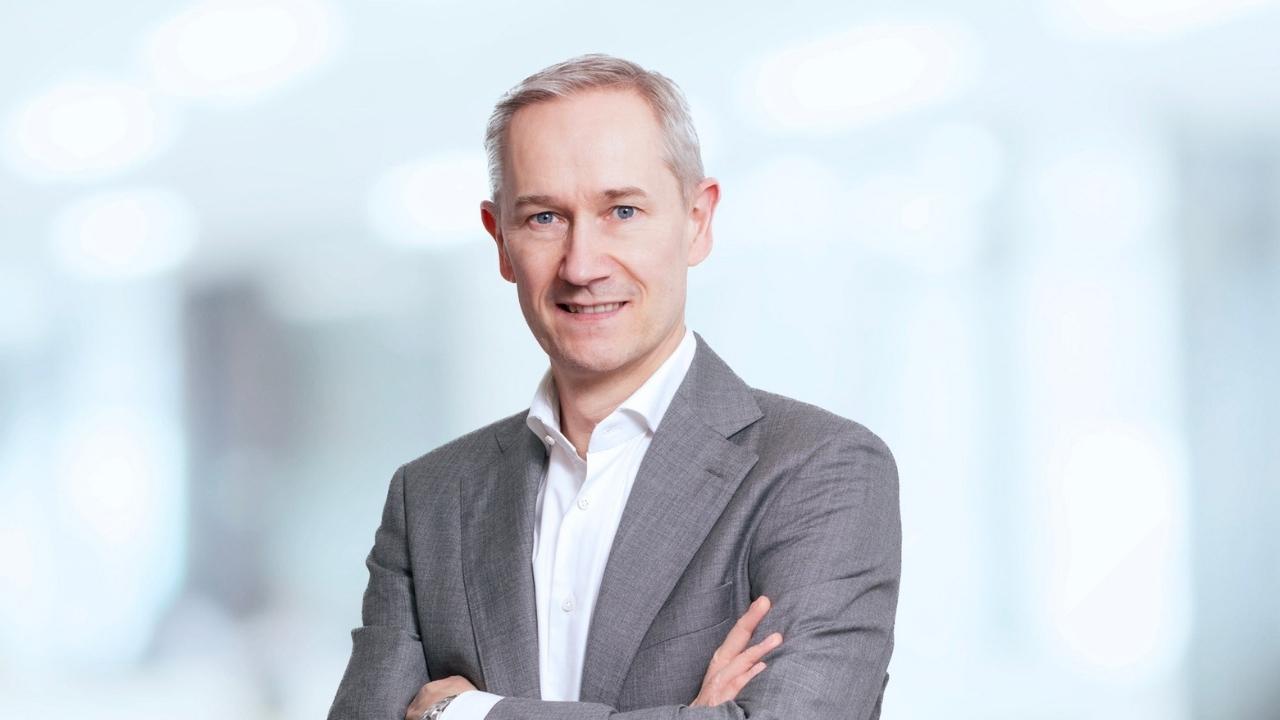
The Secretary-General of the International Maritime Organization (IMO),
Kitack Lim, addressed the Sub-Committee on Pollution Prevention and Response (PPR 4) in a speech on Monday.
During the speech, Lim singled out the work previously carried out by the subcommittee on the prevention of air pollution from ships and said the discussions being held this week to consider what additional measures may be needed for the implementation of the 0.5% cap, for consideration at the next Marine Environment Protection Committee (MEPC) meeting in July, were "particularly important".
Kitack Lim's speech has been provided below.
Address by Kitack Lim, Secretary-General of the International Maritime Organization (IMO), at the opening of the fourth session of the Sub-Committee on Pollution Prevention and Response (PPR 4).
Good morning, distinguished delegates,
It is a pleasure for me to welcome you to the fourth session of the Sub-Committee on Pollution Prevention and Response. I particularly welcome those delegates who may be attending this Sub-Committee for the first time. As this is the first meeting of 2017, I wish you all, and the maritime community at large, a happy, healthy, productive, successful and accident-free new year.
Last year was a very successful one and we should be proud of all the great achievements made towards a safer, more secure, environmentally friendly and more efficient maritime world. I wish to highlight the landmark adoption of the mandatory data collection system for fuel oil consumption of ships, the approval of the Roadmap for developing a comprehensive IMO strategy on reduction of GHG emissions from ships, and the decision to implement the global sulphur cap of 0.50% for fuel oil in 2020, which truly showcase the Organization's strong commitment to the protection of the marine environment and the atmosphere.
Those achievements could not have been secured without the cooperation, support and contributions provided by Member Governments, intergovernmental organizations, non-governmental international organizations and an enthusiastic Secretariat, therefore, I would take this opportunity to express my sincere and heartfelt appreciation to everyone involved.
I urge you to continue working together globally, throughout the year, to create and sustain an even safer, more secure, more environmentally friendly and more efficient maritime world. I will continue my effort in acting as a bridge among Member States to ensure communication and understanding, while pursuing a more efficient Organization, flexibly adapting our resources to the changing needs.
***
Before turning to the most important items on your agenda for this week, I wish to say a few words about this year's World Maritime Day theme, which is "Connecting Ships, Ports and People". The theme has been selected to build on the theme of 2016, "Shipping: indispensable to the world", by focussing on helping Member States to develop and implement maritime strategies that invest in a joined-up, interagency approach to address a whole range of issues, including facilitation of maritime transport, increasing efficiency, navigational safety, protection of the marine environment and maritime security.
I believe that the theme will provide a good opportunity to improve cooperation between ports and ships and develop a closer partnership between the two sectors; to raise global standards and set norms for the safety, security and efficiency of ports; and to standardize port procedures through identifying and developing best practice guidance and training materials.
It has always been my firm belief that the maritime sector, which includes shipping, ports and the people who operate them, can and should play a significant role helping Member States to create conditions for increased employment, prosperity and stability ashore through promoting trade by sea; enhancing the port and maritime sector as wealth creators both on land and, through developing a sustainable blue economy, at sea.
In this way, IMO will be contributing to achieving the United Nations' Sustainable Development Goals which are a wide-ranging response to the challenges facing the world today. And ultimately, more efficient shipping, working in partnership with a port sector supported by governments, could well be a major driver towards global stability and sustainable development for the good of all people.
This year, World Maritime Day will be celebrated at IMO Headquarters on Thursday, 28 September, and the annual parallel event will be organized by the Government of Panama.
***
Distinguished delegates,
Since you last met one year ago, the Marine Environment Protection Committee held its sixty-ninth and seventieth sessions and you will be informed of its decisions that are relevant to your work.
Among the most important work before you this week, I would single out your work on prevention of air pollution from ships. At this session, you will embark on work concerning the implementation of the 0.50% global sulphur limit, including the preparation of a justification and scope for a new output on what additional measures may be developed to promote its consistent implementation, for consideration by MEPC 71 in July of this year. I consider this matter as particularly important, since it will support the smooth and effective implementation of the sulphur cap, thus ensuring a significant beneficial impact on the environment and on human health, and at the same time maintaining the safe operation of ships.
Still in connection with air pollution prevention, I appreciate data submitted to this session by Member Governments and international organizations on black carbon emission measurements, based on the agreed definition of "Black Carbon" and the measurement reporting protocol for voluntary data collection. I look forward to further progress in addressing the impact on the Arctic of black carbon emissions from international shipping according to the work plan agreed by your parent Committee. Timely finalization of this output will allow the Committee to make a sound policy decision on this important matter.
Moving on to the Ballast Water Management Convention, the entry into force of the Convention in September this year will open the next chapter of a story which began with its adoption in 2004. I look forward to the finalization at this session of the manual on "Ballast Water Management - How to do it", which will provide useful and practical advice to Governments, particularly those of developing countries, on the technical, economic and legal implications of ratifying, implementing and enforcing the Convention. Of great importance is also the continued work on guidance on sampling and analysis of ballast water, as well as work related to the 2016 Guidelines for approval of ballast water management systems (G8), which were adopted by MEPC 70.
I also welcome the substantial progress the Sub-Committee made, in past sessions, towards the development of the Offshore Support Vessel Chemical Code. I would be pleased to see the final product at this session, so that a concise and clear regulatory framework for the transport and handling of limited amounts of hazardous and noxious liquid substances in bulk on offshore support vessels is in place which can meet the challenge of the complex and continued evolution of the offshore industry, taking into account the unique design features and service characteristics of these vessels.
Among the other important issues before you this week, I would like to highlight:
- the revision of chapter 21 of the IBC Code and its application to the products included in chapters 17 and 18 of the Code;
- the development of a regulatory solution to the discharge of high-viscosity solidifying and persistent floating products, in the wake of a number of incidents with significant environmental consequences; and
- the finalization of the updated OPRC Model training courses;
***
Distinguished delegates,
Having highlighted some of the most important items on your agenda, I am left in no doubt that this session will demand a lot of hard work from all of you as you are expected to finalize some of them while achieving further progress on others. I am confident that you will tackle the tasks before you successfully, inspired by the customary IMO spirit of cooperation. This, in turn, will ensure that, under the able leadership of your Chair, Mr. Sveinung Oftedal of Norway, you make sound, balanced and timely decisions on which to base your advice to the Marine Environment Protection Committee and, as the case may be, to the Marine Safety Committee as well. As always, the Secretariat will be standing by to give you all the support required. I wish you every success in your deliberations and the best of luck.
Finally, I would like to take this opportunity to invite you to the launch of an exhibition after the close of business this afternoon, on "50 years of working together - government and industry collaboration to address the risk of oil pollution from ships". This exhibition will celebrate the important progress and achievements made in reducing oil spills in the past 50 years, in the aftermath of the 1967 Torrey Canyon incident which served as an important catalyst for positive change.
Thank you.