

|
'China’s largest single-order green methanol procurement deal' announced
Chimbusco and Shenergy seal agreement for 6,000 tonnes of methanol. |
|
|
|
||
|
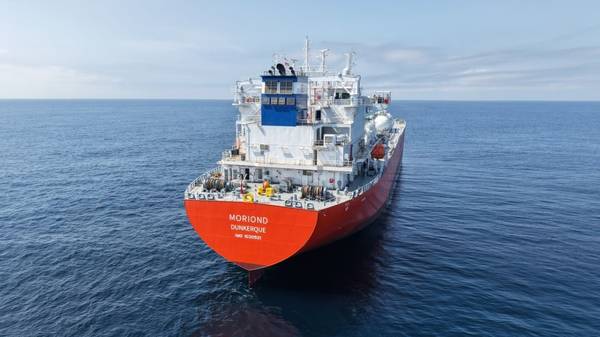
Exmar takes delivery of third dual-fuel LPG midsize gas carrier in newbuild programme
Belgian shipping group Exmar takes delivery of the 41,000-cbm LPG carrier Moriond. |
|
|
|
||
|
Hafnia Pools reaches 24 partners and 170 vessels as FuelEU compliance met through pooling mechanism
Hafnia’s tanker pool platform adds five vessels in Q1 2026 amid volatile market conditions. |
|
|
|
||

|
St1 Biokraft supplies liquefied biogas to Destination Gotland for summer ferry operations
Nordic biomethane company makes its first liquefied biogas delivery to Swedish ferry operator. |
|
|
|
||
|
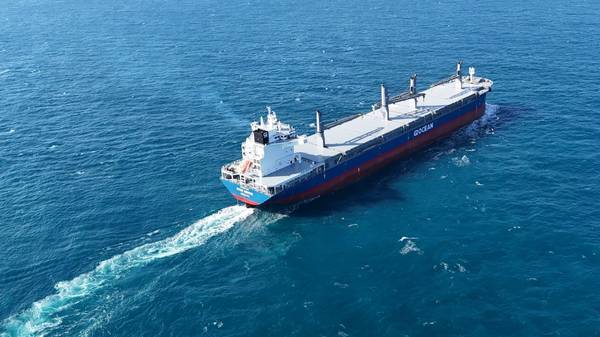
G2 Ocean launches emission reduction certificates for supply chain decarbonisation
New certificates allow cargo owners to offset Scope 3 transport emissions via biofuel use. |
|
|
|
||

|
World Fuel’s marine gross profit surges 86% as bunker price volatility drives Q1 results
Higher bunker prices and volatility propel World Fuel to a strong first quarter, prompting upgraded full-year guidance. |
|
|
|
||
|
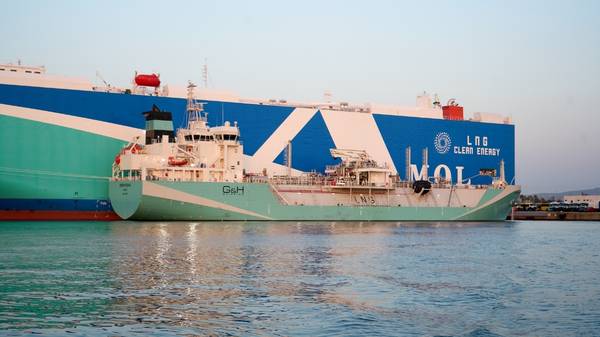
Axpo completes first ship-to-ship bio-LNG bunkering at Barcelona
Swiss energy company supplies bio-LNG to MOL's car carrier Lapis Ace at Spanish port. |
|
|
|
||

|
Island Oil appoints Dimitris Mertikas as head of international trading in Dubai
Bunker firm says hire will strengthen its trading capabilities and knowledge of the Middle Eastern and Greek markets. |
|
|
|
||

|
LNG and biofuels seen as most viable near-term options, ICS Barometer finds
Geopolitical instability emerges as shipping’s defining risk in ICS report. |
|
|
|
||
|
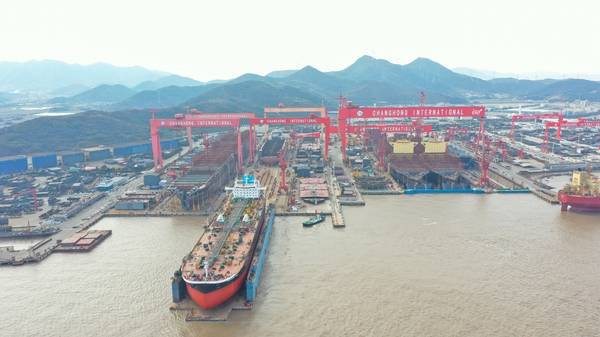
Zhoushan ship exports nearly double in five months amid decarbonisation push
China's Zhoushan reports 93.7% surge in ship exports driven by rising demand for more advanced and environmentally friendly vessels. |
|
|
|
||
| China may cut fuel oil import duty to 1% [News & Insights] |
| Fuel oil imports rise in China [News & Insights] |
| Northern China imports Singapore fuel oil [News & Insights] |

