
|
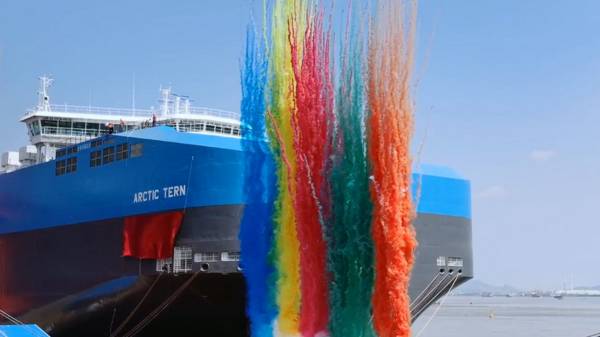
Wallenius Wilhelmsen takes delivery of first methanol-ready Shaper Class vessel
The dual-fuel Arctic Tern will enter service on the Asia–Europe trade almost immediately. |
|
|
|
||
|
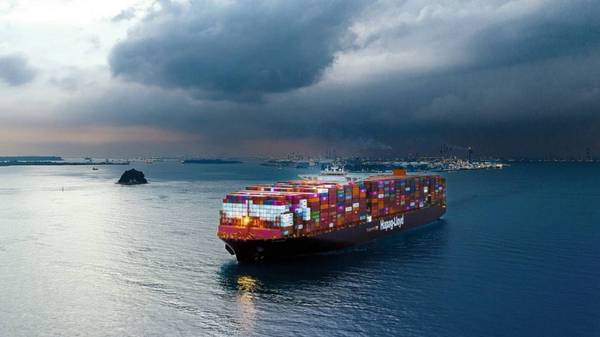
Hapag-Lloyd signs shore power agreement with Hamburg Port Authority
Deal commits the carrier to using onshore power supply at all Hamburg terminals. |
|
|
|
||

|
KPI OceanConnect reports 21% rise in pre-tax earnings for 2025/26
Marine fuel firm delivers 13 million tonnes and expands carbon markets capabilities amid geopolitical turbulence. |
|
|
|
||

|
VTTI Dalian completes first large-scale 'green methanol' vessel loading
Cargo to be supplied as marine fuel in Shanghai. |
|
|
|
||

|
Oilmar appoints Steff Tan as marine fuels trader in Singapore
New hire's background spans bunker operations, logistics, commercial trading, marketing, and business development. |
|
|
|
||
|
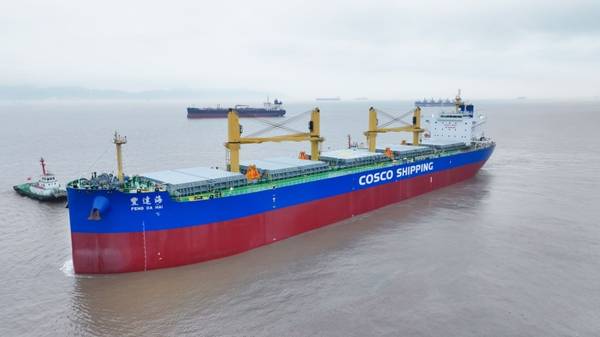
Cosco Shipping adds methanol-ready bulk carrier Feng Da Hai to fleet
The 64,000-tonne vessel is equipped with a methanol fuel system for future low-carbon operations. |
|
|
|
||
|
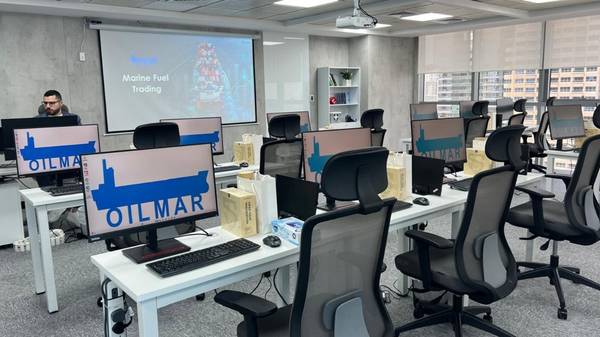
Oilmar welcomes summer intern to Dubai branch
Arpit Aryan will rotate across the bunker fuel trading, finance and operations departments. |
|
|
|
||

|
Oilmar takes on trading and finance intern in Dubai
New intern to rotate across trading, operations and finance teams. |
|
|
|
||
|
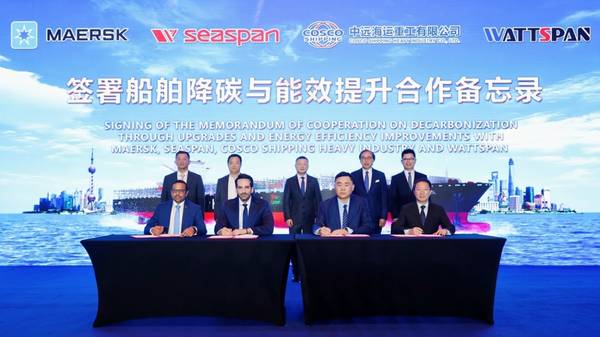
Seaspan and Maersk deepen fleet efficiency collaboration with $75m upgrade programme
Retrofit package for four 13,000-teu vessels includes installation of shaft generator to reduce auxiliary engine fuel consumption. |
|
|
|
||

|
EU Parliament vote on soy biofuels could expose bloc to $5.6bn a year in trade sanctions
MEPs reject regulation that would have phased out soy biofuels, risking WTO retaliation penalties. |
|
|
|
||
| Electric boat powered by aluminium-air battery launched [News & Insights] |
| New York launches retrofitted electric canal boat [News & Insights] |
| Project to build prototype solar-electric unmanned surface vessel [News & Insights] |
| Contract to build hybrid battery-powered PSV [News & Insights] |
| UK government commits GBP 448m to maritime decarbonisation research programme [News & Insights] |
| ABS and HD Hyundai partner on nuclear propulsion for container ships [News & Insights] |
| ABB retrofits expedition yacht with hybrid-electric propulsion for Galápagos operations [News & Insights] |
| Singapore's first fully electric tug completes commissioning ahead of April deployment [News & Insights] |
| Echandia to supply 3 MWh battery system for Singapore harbour tugboat [News & Insights] |

