The
Innovation and Networks Executive Agency (INEA) has announced the inauguration of the
Eiger-Nordwand, the first inland waterway vessel to be retrofitted with pollution-reducing liquefied natural gas (LNG) engines.
The pilot vessel represents one of the milestones of the EU-supported
LNG Masterplan Rhine-Main-Danube project, which is a series of studies and trials to assess the use of LNG as a shipping fuel in the European inland waterway sector.
"It is a great technical accomplishment that paves the way for more clean fuels to be deployed on the entire transport supply chain along the inland waterway networks," the INEA said.
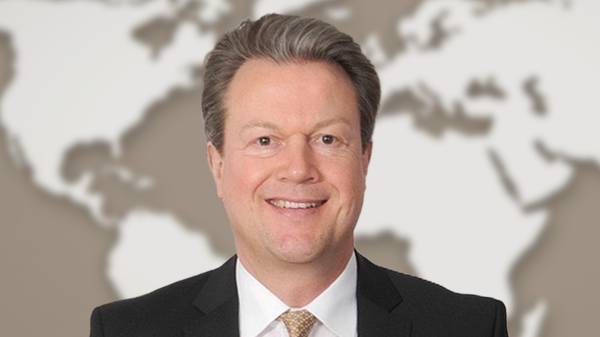
INEA Executive Director
Dirk Beckers praised the inauguration, noting: "This is only a start. The LNG Masterplan is a prime example of the opportunities we have ahead to develop new technologies and new fuels, and I am confident that this project will continue to deliver benefits to inland waterways by analysing and testing all aspects related to LNG deployment. LNG is rapidly emerging as a more environmentally friendly fuel for the shipping sector and its uptake is strongly encouraged by the European Union."
The inauguration of the Eiger-Nordwand forms part of the LNG Masterplan project, one of the biggest innovation projects financed through the TEN-T programme, which was selected for funding under the 2012 TEN-T Multi-Annual Call. It benefits from over €40 million of EU support and is implemented by a consortium of 33 companies and organisations from the public and private sectors across 12 EU Member States.
The LNG Masterplan consists of a series of studies and pilot deployments for LNG as fuel for inland vessels, as well as cargo transported on waterways and distributed via inland ports along the
Rhine,
Main and
Danube rivers. The objective is to provide a platform for key public and private stakeholders to promote LNG uptake in the inland waterway sector and build the necessary regulatory framework for the safe transport and use of LNG as vessel fuel.
As part of the project, a series of inland waterway vessels are due to be retrofitted with LNG engines capable of substantially decreasing nitrogen oxides (NOx) and particulate emissions, the main pollutants from inland waterway transport, as well as improving local air quality alongside waterways and ports.
"This is a win-win situation for business and society and improves the environmental performance of the inland waterway sector as a whole whilst decarbonising the entire transport supply chain," the INEA said.
The Eiger-Nordwand is the first such vessel, and is seen by the INEA as a stepping stone to assess the feasibility and requirements of a large-scale deployment of LNG infrastructure and vessels across the European Union's river and canal networks.
The INEA said it expects the results of the LNG Masterplan project, due by December 2015, to have a "significant impact" on LNG’s introduction on the European inland waterway networks and to promote this means of transport in general.