Tue 24 Dec 2013, 12:31 GMT

Gazpromneft Marine Bunker acquires Novorossiysk oil terminal


Novorossiysk terminal is capable of handling light and dark oil products.


Deloports Ltd. has sold its 100 percent ownership in Novorossiysk Petrotransshipment Complex LLC (NPC) to Gazpromneft Marine Bunker LLC. – a subsidiary of Gazprom Neft.

NPC is an oil products terminal located in the south-west district of Novorossiysk sea port. Construction commenced in 2010, and the facility was launched in May 2012. In 2013, NPC reached its full project capacity, and during the first 11 months of 2013 NPC handled over 300,000 tonnes of oil products.

The terminal is capable of handling light and dark oil products and stores products for companies that carry out bunker deliveries in the Russian market.

Moscow-based Deloports forms part of the Delo Group of Companies. Founded in 2012, Deloports consolidates the stevedore assets of Delo Group, which include container and grain terminals and the bunkering company TOS.

Annual bunker sales for TOS are estimated to be around 200,000 tonnes. The company was not included as part of the NPC transaction with Gazpromneft Marine Bunker. As a result, Deloports will continue to have a presence in the Novorossiysk marine fuels market.

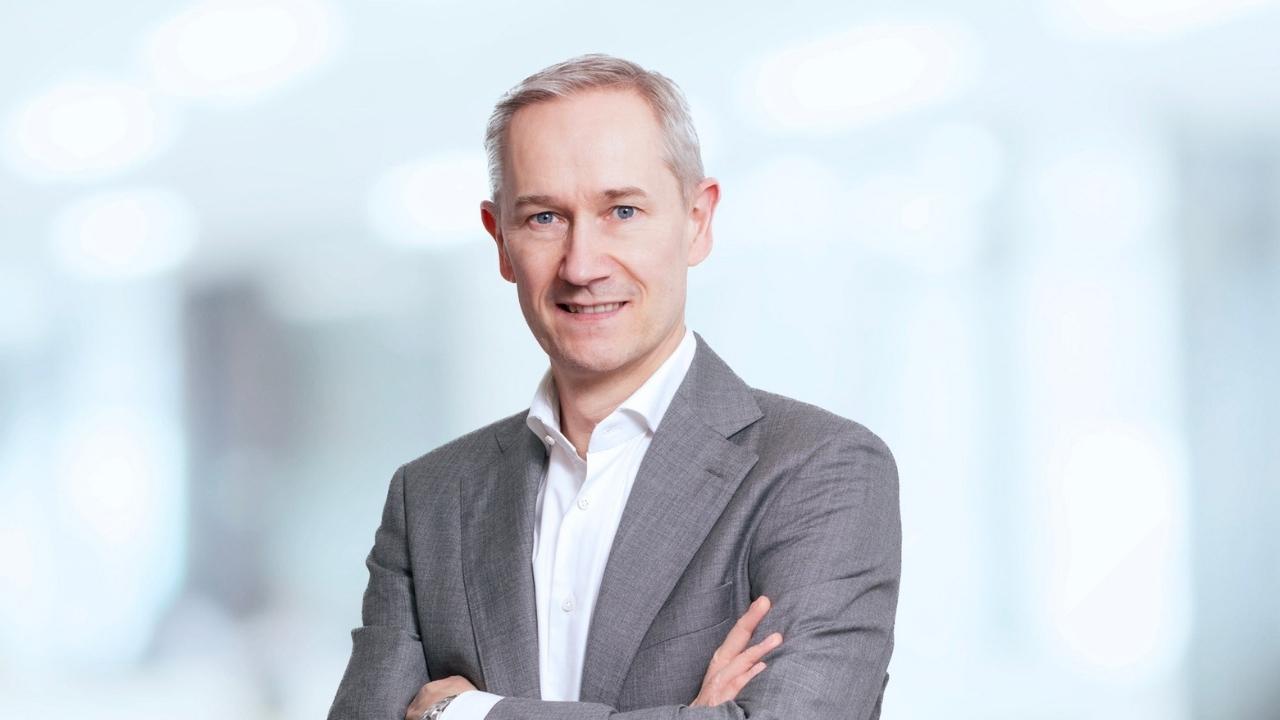
"In the first 11 months of 2013, NPC represented approximately 7 percent of Deloports' throughput and approximately 3 percent of revenues. The sale of the oil products terminal will allow Deloports to focus on its strategic segments – containers and grain handling," said Timofey Telyatnik, CEO of Deloports.

Gazpromneft Marine Bunker has five regional offices and two subsidiaries: Gazprom Neft Shipping LLC, which operates the company's own fleet of fuelling vessels, and Gazprom Neft Terminal SPB LLC, which operates a bunker terminal in St. Petersburg.

The main areas covered by the company are:

North-West: St. Petersburg, Kaliningrad, Murmansk, Arkhangelsk, Primorsk and Ust-Luga;

South: Novorossiysk, Tuapse, Port Kavkaz and Taman;

Russian Far East: Nakhodka, Vladivostok, Sakhalin and Kozmino;

Domestic river routes: Moscow, Yaroslavl, Kazan, Volgograd, Rostov-on-Don, Astrakhan, Ust-Kut, Samara and Nizhny Novgorod.



Arctic Tern vessel. Wallenius Wilhelmsen takes delivery of first methanol-ready Shaper Class vessel  

The dual-fuel Arctic Tern will enter service on the Asia–Europe trade almost immediately.

Al Muraykh vessel. Hapag-Lloyd signs shore power agreement with Hamburg Port Authority  

Deal commits the carrier to using onshore power supply at all Hamburg terminals.

Dorthe Karin Bendtsen, KPI OceanConnect. KPI OceanConnect reports 21% rise in pre-tax earnings for 2025/26  

Marine fuel firm delivers 13 million tonnes and expands carbon markets capabilities amid geopolitical turbulence.

VTTI logo. VTTI Dalian completes first large-scale 'green methanol' vessel loading  

Cargo to be supplied as marine fuel in Shanghai.

Steff Tan, Oilmar. Oilmar appoints Steff Tan as marine fuels trader in Singapore  

New hire's background spans bunker operations, logistics, commercial trading, marketing, and business development.

Feng Da Hai vessel. Cosco Shipping adds methanol-ready bulk carrier Feng Da Hai to fleet  

The 64,000-tonne vessel is equipped with a methanol fuel system for future low-carbon operations.

Oilmar office in Dubai. Oilmar welcomes summer intern to Dubai branch  

Arpit Aryan will rotate across the bunker fuel trading, finance and operations departments.

Aerial view of the Dubai skyline. Oilmar takes on trading and finance intern in Dubai  

New intern to rotate across trading, operations and finance teams.

Seaspan and Maersk signing. Seaspan and Maersk deepen fleet efficiency collaboration with $75m upgrade programme  

Retrofit package for four 13,000-teu vessels includes installation of shaft generator to reduce auxiliary engine fuel consumption.

European Parliament building in Brussels. EU Parliament vote on soy biofuels could expose bloc to $5.6bn a year in trade sanctions  

MEPs reject regulation that would have phased out soy biofuels, risking WTO retaliation penalties.