

|
EU ETS 2026 review raises cost predictability concerns for European shippers
European Shippers' Council warns that carbon market reforms could affect logistics planning and competitiveness. |
|
|
|
||
|
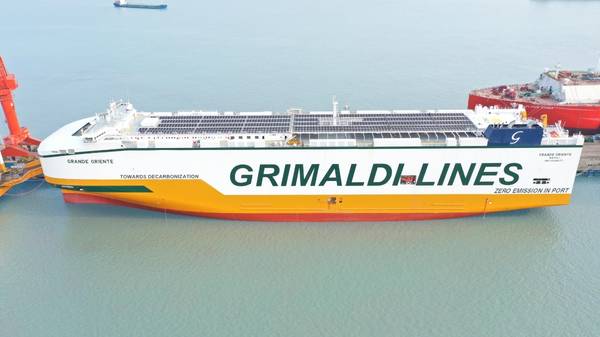
Grimaldi takes delivery of 12th ammonia-ready car carrier Grande Oriente
Naples-based firm says its latest PCTC halves fuel consumption compared with earlier-generation vessels. |
|
|
|
||
|
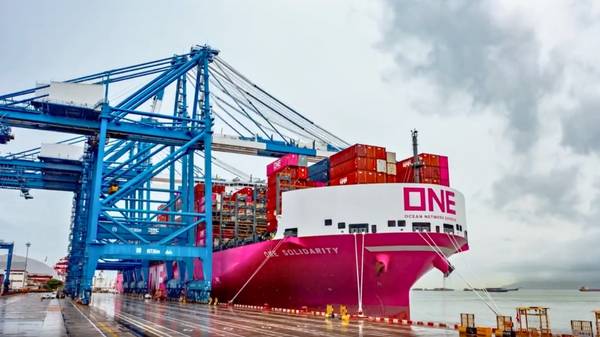
Ocean Network Express deploys methanol- and ammonia-ready vessel
ONE Solidarity arrives in Shekou on maiden voyage as ONE expands MS2 service capacity. |
|
|
|
||
|
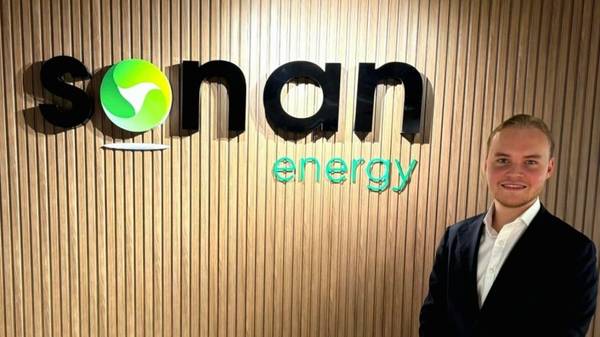
Sonan Energy Panama recruits bunker trader Cornelius Larsen
Former Monjasa trader relocates to Panama to support firm's regional growth ambitions. |
|
|
|
||
|
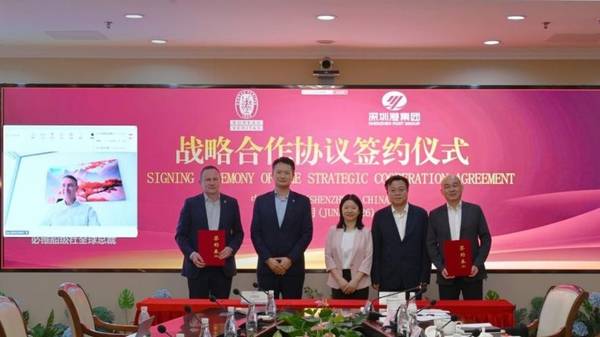
Bureau Veritas and Shenzhen Port Group sign agreement to develop green shipping corridor
Partnership aims to position Shenzhen as a green maritime hub and advance decarbonisation. |
|
|
|
||
|
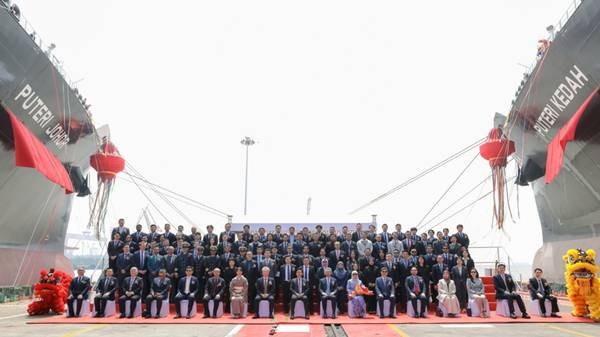
K Line delivers two dual-fuel LNG carriers to Petronas LNG
Sister vessels Puteri Johor and Puteri Kedah handed over in China. |
|
|
|
||
|
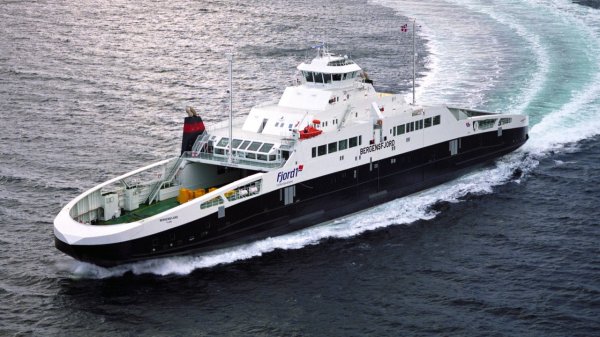
Gasum selected as LNG supplier for Fjord1 ferries on Norway’s west coast
Long-term agreement covers LNG delivery to ferries operating the Arsvågen–Mortavika route. |
|
|
|
||

|
Shipping’s fuel transition faces $9 trillion funding gap, Singapore technical talk to hear
Global merchant fleet said to be ordering alternative-fuel vessels faster than the fuels can be produced. |
|
|
|
||
|
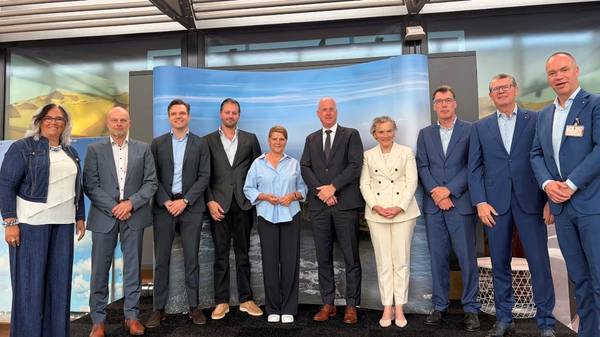
Netherlands launches R&D phase for electric emergency towing vessels with e-methanol as backup fuel
Vessels will operate electrically wherever possible, while e-methanol will serve as fuel during emergency towing operations. |
|
|
|
||

|
KPI OceanConnect seeks marine fuel trading intern for China desk in Singapore
Bunker firm is recruiting a bilingual staff member to support its China trading operations. |
|
|
|
||
| Early ECDIS adoption can offer savings [News & Insights] |
| 'Large orders' for emissions monitoring system [News & Insights] |
| Cruise line orders emissions monitoring system [News & Insights] |
| Agreement to install emissions monitoring system [News & Insights] |

