
| Month | Average($/mt) | Low | High |
| Apr 12 | 715 | 705.00 | 734.00 |
| Mar 12 | 727 | 718.00 | 740.00 |
| Feb 12 | 725 | 710.00 | 739.00 |
| Jan 12 | 722 | 689.00 | 737.00 |
| Dec 11 | 661 | 625.00 | 684.00 |
| Nov 11 | 682 | 655.00 | 713.00 |
| Oct 11 | 660 | 625.00 | 690.00 |
| Sep 11 | 644 | 620.00 | 669.00 |
| Aug 11 | 645 | 623.00 | 684.00 |
| July 11 | 659 | 632.00 | 681.00 |
| June 11 | 647 | 620.00 | 677.00 |
| May 11 | 633 | 608.00 | 670.00 |
| Apr 11 | 669 | 650.00 | 685.00 |
| Mar 11 | 633 | 622.00 | 645.00 |
| Feb 11 | 606 | 562.00 | 668.00 |
| Jan 11 | 534 | 507.00 | 560.00 |
| Dec 10 | 498 | 492.00 | 506.00 |
| Nov 10 | 482 | 462.00 | 508.00 |
| Oct 10 | 462 | 451.00 | 473.00 |
| Sep 10 | 436 | 429.00 | 448.00 |
| Aug 10 | 441 | 422.00 | 465.00 |
| Jul 10 | 434 | 412.00 | 450.00 |
| Jun 10 | 435 | 418.00 | 450.00 |
| May 10 | 452 | 406.00 | 498.00 |
| Apr 10 | 480 | 458.00 | 497.00 |
| Mar 10 | 459 | 447.00 | 473.00 |
| Feb 10 | 456 | 434.00 | 473.00 |
| Jan 10 | 481 | 455.00 | 508.00 |
| Dec 09 | 463 | 438.00 | 490.00 |
| Nov 09 | 464 | 447.00 | 477.00 |
| Oct 09 | 440 | 412.00 | 465.00 |
| Sep 09 | 426 | 408.00 | 442.00 |
| Aug 09 | 437 | 418.00 | 452.00 |
| Jul 09 | 407 | 381.00 | 437.00 |
| Jun 09 | 398 | 385.50 | 422.00 |
| May 09 | 343 | 294.00 | 382.00 |
| Apr 09 | 289 | 256.00 | 308.00 |
| Mar 09 | 244 | 225.00 | 272.00 |
| Feb 09 | 257 | 235.00 | 278.00 |
| Jan 09 | 258 | 235.00 | 288.00 |
| Dec 08 | 232 | 214.00 | 260.00 |
| Nov 08 | 235 | 205.00 | 295.00 |
| Oct 08 | 406 | 268.00 | 575.00 |
| Sep 08 | 610 | 530.00 | 714.00 |
| Aug 08 | 671 | 617.00 | 728.00 |
| Jul 08 | 718 | 665.00 | 763.00 |
| Jun 08 | 629 | 573.00 | 681.00 |
| May 08 | 580 | 524.00 | 635.00 |
| Apr 08 | 523 | 491.00 | 545.00 |

|
Wallenius Wilhelmsen takes delivery of first methanol-ready Shaper Class vessel
The dual-fuel Arctic Tern will enter service on the Asia–Europe trade almost immediately. |
|
|
|
||
|
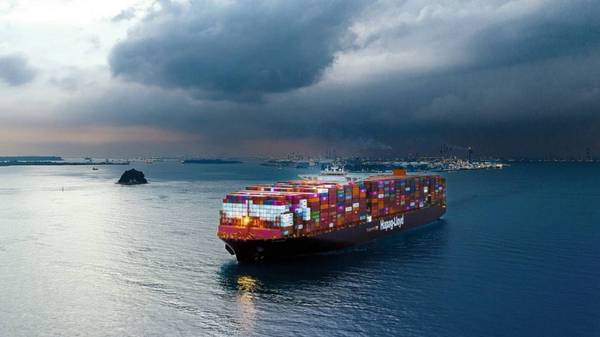
Hapag-Lloyd signs shore power agreement with Hamburg Port Authority
Deal commits the carrier to using onshore power supply at all Hamburg terminals. |
|
|
|
||

|
KPI OceanConnect reports 21% rise in pre-tax earnings for 2025/26
Marine fuel firm delivers 13 million tonnes and expands carbon markets capabilities amid geopolitical turbulence. |
|
|
|
||

|
VTTI Dalian completes first large-scale 'green methanol' vessel loading
Cargo to be supplied as marine fuel in Shanghai. |
|
|
|
||
|
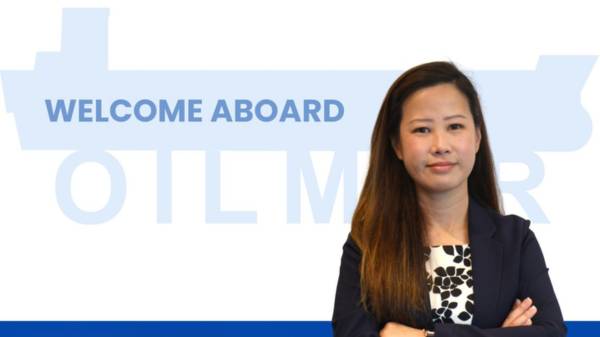
Oilmar appoints Steff Tan as marine fuels trader in Singapore
New hire's background spans bunker operations, logistics, commercial trading, marketing, and business development. |
|
|
|
||
|
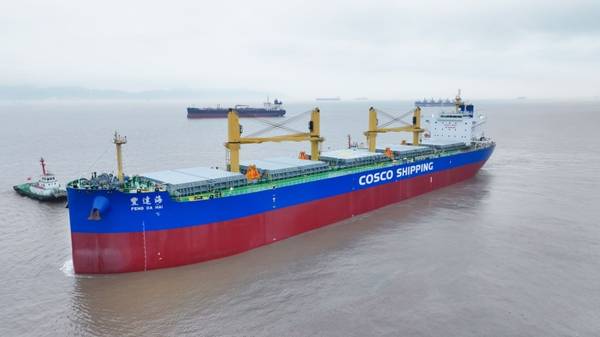
Cosco Shipping adds methanol-ready bulk carrier Feng Da Hai to fleet
The 64,000-tonne vessel is equipped with a methanol fuel system for future low-carbon operations. |
|
|
|
||
|
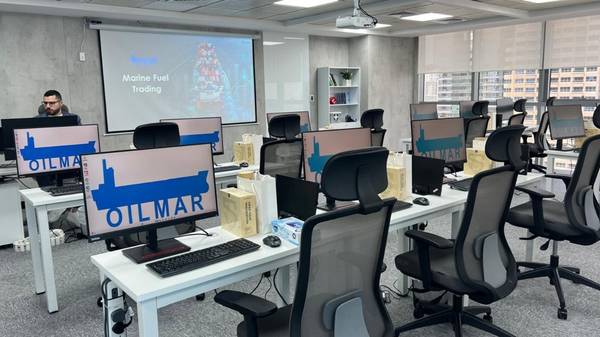
Oilmar welcomes summer intern to Dubai branch
Arpit Aryan will rotate across the bunker fuel trading, finance and operations departments. |
|
|
|
||

|
Oilmar takes on trading and finance intern in Dubai
New intern to rotate across trading, operations and finance teams. |
|
|
|
||
|
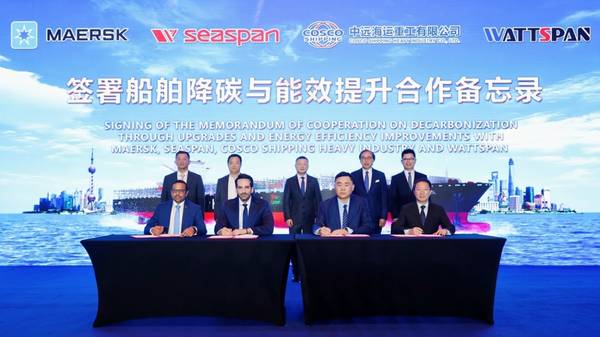
Seaspan and Maersk deepen fleet efficiency collaboration with $75m upgrade programme
Retrofit package for four 13,000-teu vessels includes installation of shaft generator to reduce auxiliary engine fuel consumption. |
|
|
|
||
|
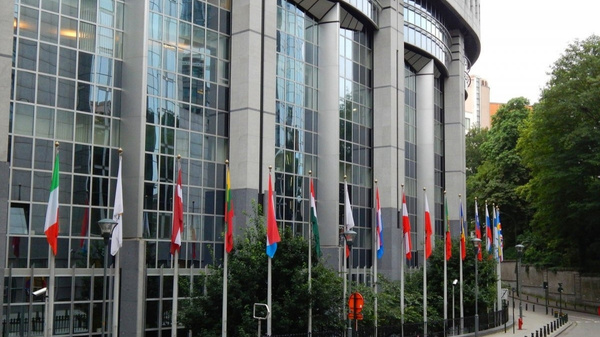
EU Parliament vote on soy biofuels could expose bloc to $5.6bn a year in trade sanctions
MEPs reject regulation that would have phased out soy biofuels, risking WTO retaliation penalties. |
|
|
|
||

