Fri 13 Nov 2009, 12:21 GMT

OW: 'Physical hedging is key to managing risk'


General Manager says hedging will play a key part of risk management strategies in 2010 and beyond.


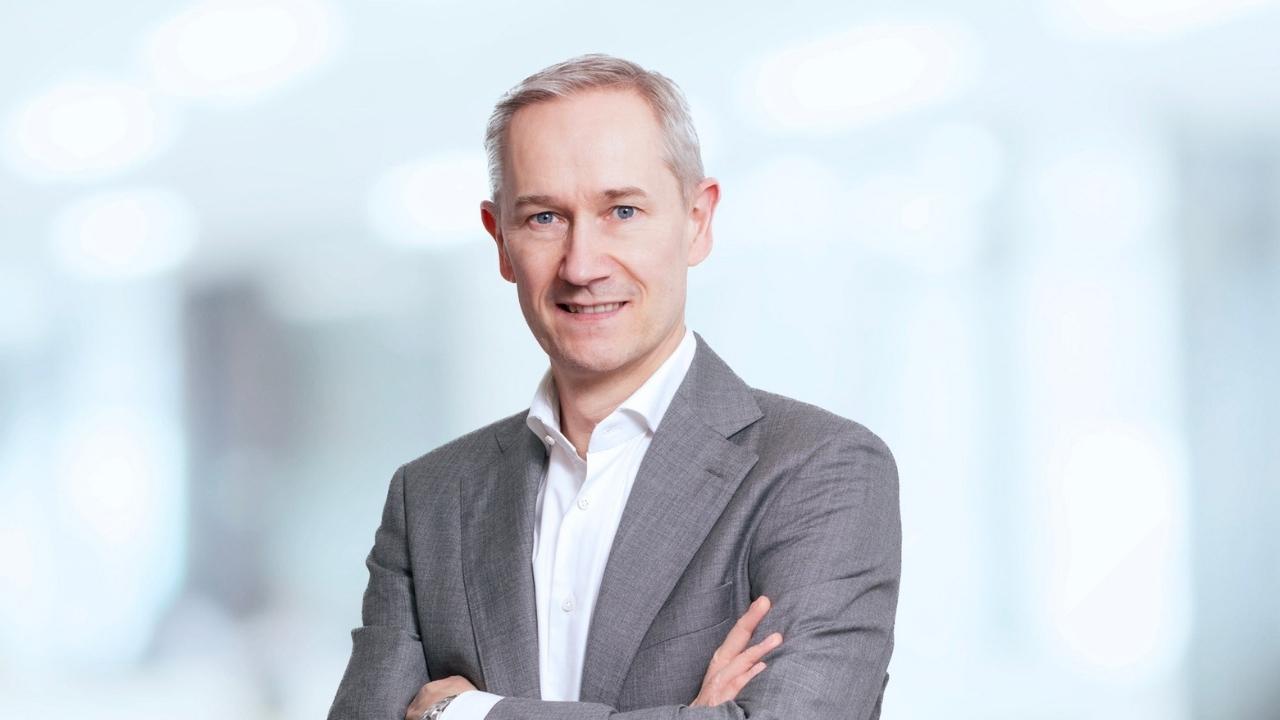
The adoption of physical hedging as an instrument for managing risk will play a key part of risk management strategies in 2010 and beyond, according to Morten Dehn, General Manager, OW Bunker Risk Management.

Speaking at the Platts’ Managing Oil and Energy Risk conference in London, Dehn said: “The physical hedging of bunker fuel purchases enables customers to buy products on a forward basis, and is a definitive and easily auditable hedging instrument that provides cost stability.

"Following the economic downturn, we are now operating in a new era of responsibility, where companies have to exercise an appropriate level of conservatism. They must caution themselves against unnecessary risk taking, even if the appetite for risk returns as the markets begin to recover. Physical hedging provides this stability as part of a comprehensive risk management strategy that incorporates a mix of tools and instruments.”

Physical hedging allows customers to fix and lock in the price of bunker fuel in a specific port where they know they will be purchasing products, whilst still being able to lift in any port in the world, and maintain the use of the contract.

Morten Dehn stressed that the key to an effective risk management strategy is ensuring that it is embedded into the infrastructure of an organisation, it’s corporate and financial processes, and the day-to-day operations of the business.

“There has to be a planned and formulaic approach to risk management and the implementation of an holistic strategy that becomes a way of corporate life. There must be a clear understanding of a company’s risk exposure, its appetite for risk as well as its motives for managing risk. And most importantly, any risk management strategy must incorporate a variety of tools, instruments and analytical processes that provide balance and stability against the increasing elements of risk that organisations now face, from basis and time risk, to volume, and especially counterparty risk.”

"As bunker fuel becomes an increasingly higher valued requirement for ship operation, OW Bunker sees the interaction between the customer and the risk management solutions provider becoming more critical, where the relationship moves from being perceived as a supplier, to one of partnership," OW Bunker said.

Dehn added: “The nature of the relationship must be consultancy-based, founded on a complete dedication to maximising operational and financial performance. This can only be achieved if there is a total understanding of the customer’s business and their corporate strategy in conjunction with an in depth knowledge of the market, its complexities as well as its continually changing dynamics.”


Hapag-Lloyd and DSV logo side by side. Hapag-Lloyd and DSV sign 18,000-tonne CO2e reduction agreement for sustainable marine fuels  

Two-year framework allows inclusion of alternative fuels beyond biofuels in shipping decarbonisation partnership.

Bangkok city skyline. Uni-Fuels opens Thailand office as part of Southeast Asia expansion  

Marine fuel supplier establishes Bangkok entity, appoints managing director with 15 years’ industry experience.

Washington State Hybrid-Electric 160-Auto Ferry vessel render. Corvus Energy to supply battery systems for Washington State Ferries hybrid vessels  

ABB selects Corvus for two new 160-vehicle ferries as part of $3.98bn electrification plan.

Vinssen and Mana Engineering sign MoU. Vinssen, Mana Engineering partner on hydrogen fuel cell retrofit for 800-teu feeder vessel  

South Korean and Dutch firms to pursue Lloyd’s Register approval for hybrid retrofit concept.

Hercules Elisabeth vessel. Hercules Tanker Management takes delivery of second Ultra-Spec vessel in China  

Hercules Elisabeth is the second of 10 hybrid-ready tankers designed for alternative fuels.

Wolf 1 vessel. Petrol Ofisi launches fuel supply tanker Wolf 1  

Turkish bunker supplier adds 1,750-dwt vessel with alternative fuel infrastructure to fleet.

BIMCO meeting. BIMCO to convene for adoption of biofuel clause and ETS provisions at February meeting  

Documentary Committee to consider new contractual frameworks for alternative fuels and emission trading scheme compliance.

Sea Change II vessel render. Incat Crowther and Switch Maritime develop 150-passenger hydrogen ferry for New York  

Design work begins on 28-metre vessel with 720 kg hydrogen capacity and 25-knot speed.

Aerial view of a container vessel. HIF Global signs heads of agreement with German eFuel One for 100,000 tonnes of e-methanol annually  

Deal covers supply from HIF’s Uruguay project, with e-methanol meeting EU RED III standards.

Welcoming of Kota Odyssey at Jordan’s Aqaba Container Terminal. PIL’s LNG-powered vessel makes maiden call at Jordan’s Aqaba port  

Kota Odyssey is Pacific International Lines’ first LNG-fuelled ship to call at the Red Sea port.


 Recommended