
 |
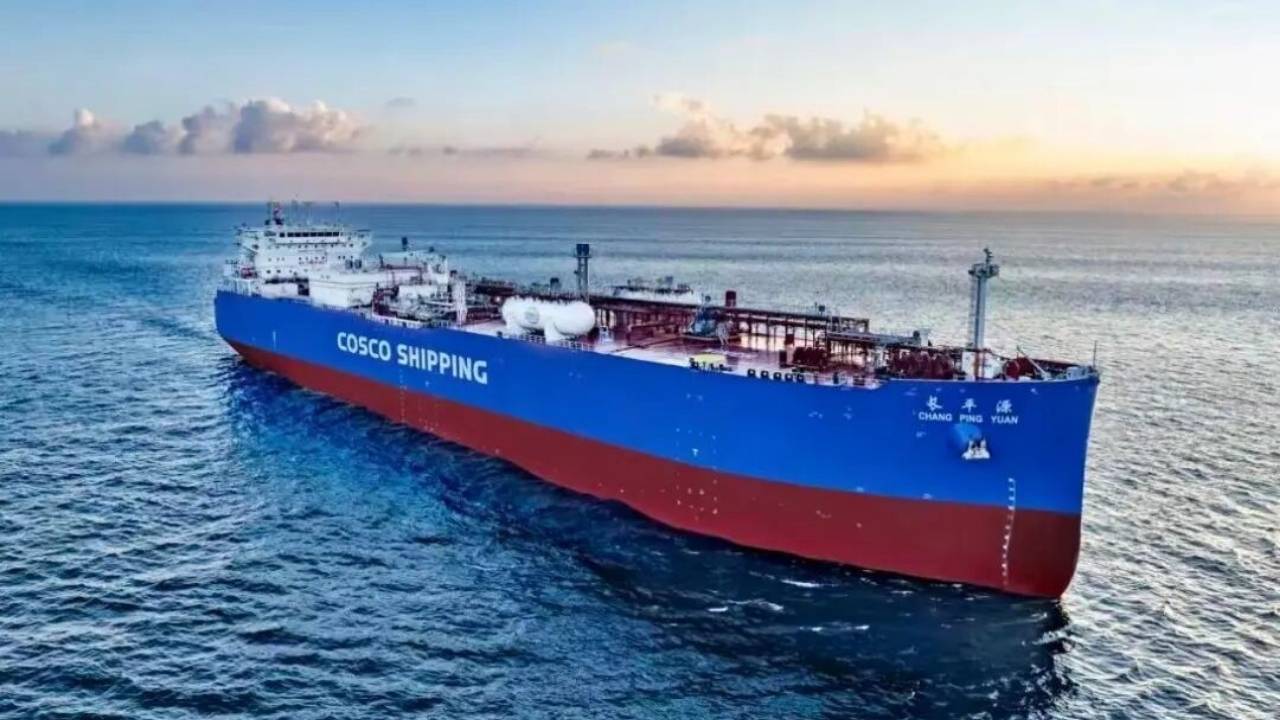
A very large gas carrier (VLGC) with a capacity of 88,000 cbm has been named and delivered at Cosco Shipping (Qidong) Offshore Co., Ltd, according to China Classification Society (CCS), which surveyed the vessel.
Chang Ping Yuan is, according to CCS, the first domestically designed and built VLGC to operate under the Chinese flag. Ju Liqiang, general manager of CCS’s International Survey Business Department, attended the naming ceremony alongside officials from the CCS Jiangsu Branch.
The vessel has an overall length of 229.9 metres and a design speed of 16.5 knots. It is fitted with four independent Type A cargo tanks and two 300 cbm deck tanks. According to CCS, the ship’s plumb-stem design, combined with energy-saving ducts and a rudder bulb, is intended to improve sailing performance.
The VLGC is equipped with an LPG dual-fuel main engine and a shaft generator, which CCS said allow it to meet emissions regulations while maintaining operational economy. The vessel is also fitted with an intelligent ship system and complies with the CCS intelligent ship notation i-ship (N, M, E, I).
CCS said the ship is designed to be compatible with ammonia cargo transport, opening up prospects for the waterborne carriage of low-carbon fuels.
The classification society noted that it provided technical support throughout the project, from initial model approval through to detailed design review, organising expert workshops and technical discussions with the shipowner and shipyard. During construction, CCS said its on-site survey team worked with the shipowner and shipyard to oversee vessel quality and navigational safety compliance.

|
Flex Commodities appoints Christos Doulaveris as general manager for Greece
Bunker trader strengthens its Greek operations with a new leadership appointment. |
|
|
|
||
|
Electric and hybrid ferries could cut Sea of Marmara emissions by 63%, IMO study finds
A GreenVoyage2050 study finds that electrification could slash emissions, avoid €492 million in damage costs and support jobs. |
|
|
|
||
|
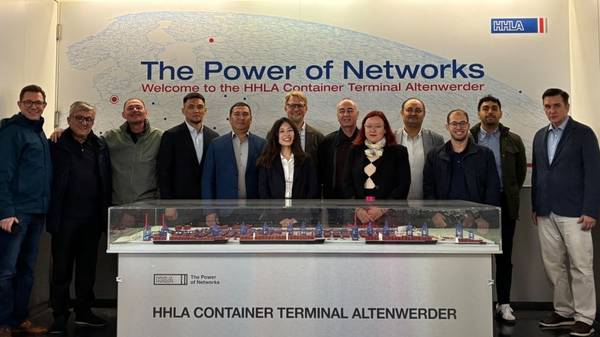
Batumi Sea Port officials study decarbonisation practices in Hamburg
Georgian port representatives visited Hamburg to study emissions accounting, hydrogen technology and automation ahead of their 2026 recertification audit. |
|
|
|
||
|
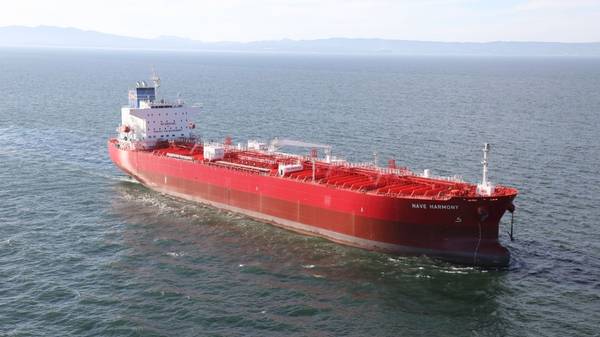
Navios Partners takes delivery of methanol-ready MR2 tanker Nave Harmony
Shipowner adds 49,998-DWT newbuild product tanker equipped with methanol-ready technology. |
|
|
|
||
|
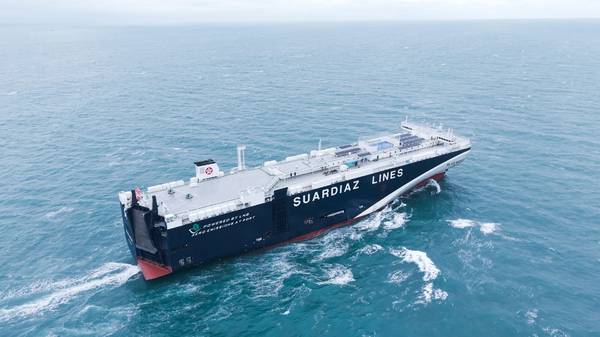
Eastern Pacific Shipping delivers LNG dual-fuel PCTC to Suardiaz
RS Atlantico is the first mid-sized 5,500-CEU car carrier built through the EPS–Suardiaz partnership. |
|
|
|
||
|
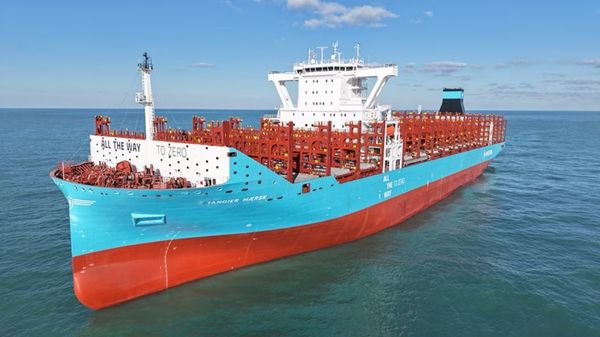
Maersk completes first US ethanol bunkering of a deep-sea container ship
Shipper tests US-produced corn ethanol as a marine fuel aboard the Tangier Maersk. |
|
|
|
||
|
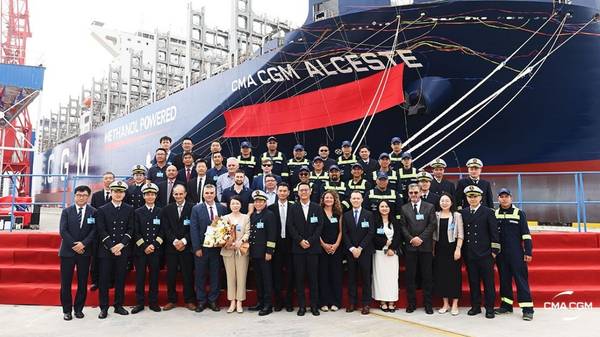
CMA CGM names methanol-powered vessel after Molière’s Alceste
Ship features a MAN B&W 8G85ME two-stroke engine configured to run on conventional marine fuel and methanol. |
|
|
|
||
|
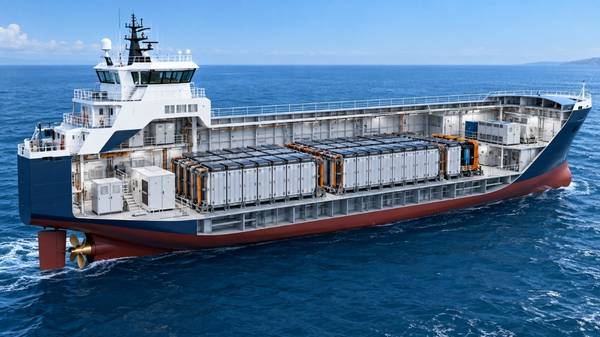
Why batteries still cannot power ships across oceans
Battery-electric ships dominate short-sea routes, but energy-density and infrastructure constraints keep deep-sea propulsion out of reach. |
|
|
|
||
|
VPS to run marine fuel management course in Singapore
Two-day programme in November covers fuel handling, testing and decarbonisation rules, including a laboratory tour. |
|
|
|
||

|
Petrobras launches HSFO bunker sales in Rio de Janeiro
Brazilian supplier begins prompt HSFO deliveries in Rio, pricing the fuel more than $80 per tonne below VLSFO. |
|
|
|
||
| Navios Partners takes delivery of methanol-ready MR2 tanker Nave Harmony [News & Insights] |
| Navios Partners takes delivery of methanol-ready MR2 tanker Nave Harmony [News & Insights] |
| Eastern Pacific Shipping delivers LNG dual-fuel PCTC to Suardiaz [News & Insights] |
| Eastern Pacific Shipping delivers LNG dual-fuel PCTC to Suardiaz [News & Insights] |
| CMA CGM names methanol-powered vessel after Molière’s Alceste [News & Insights] |
