
 |
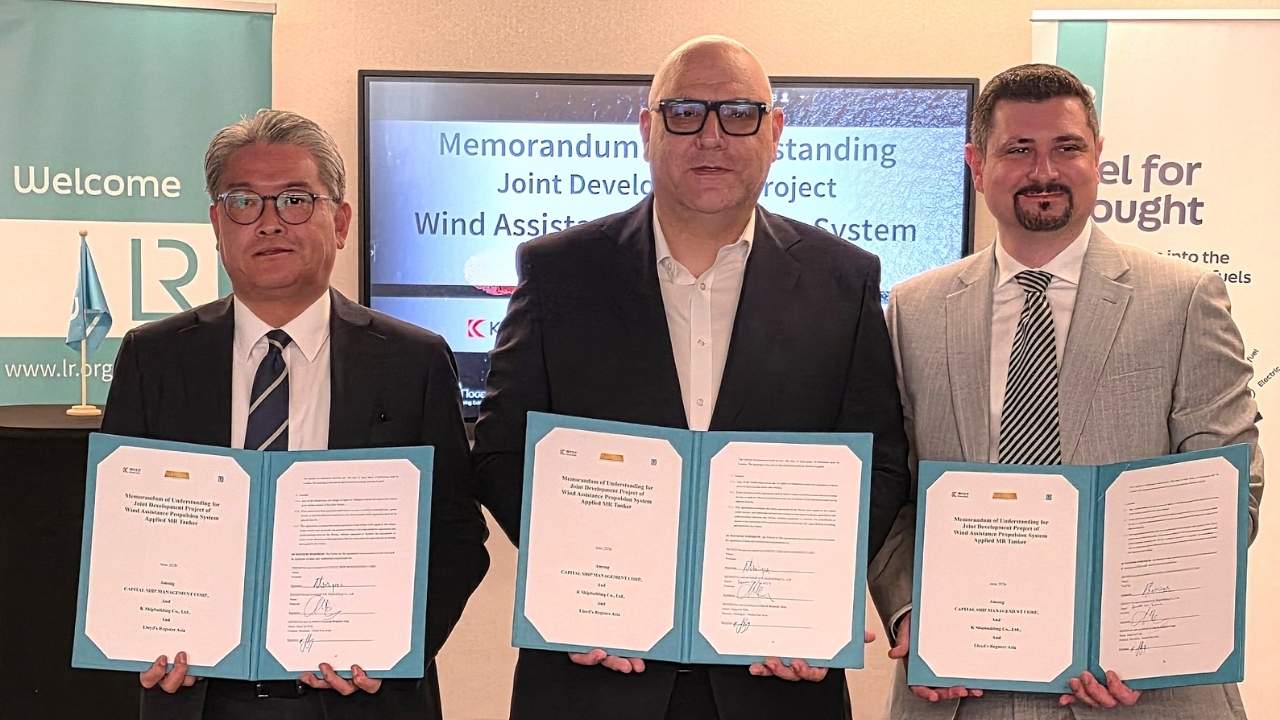
Capital Ship Management Corp., K Shipbuilding and Lloyd’s Register (LR) have launched a joint development project (JDP) to explore the integration of wind-assisted propulsion systems (WAPS) into a 50,000-dwt medium-range (MR) tanker design.
The project, announced on 21 July, aims to assess whether WAPS can deliver commercially viable efficiency gains for standard product tanker operations — a segment where wind-assisted propulsion has seen limited exploration compared with bulk carrier and specialist vessel markets.
The collaboration brings together Capital Ship Management’s operational experience, K Shipbuilding’s tanker design and construction capability, and LR’s technical assurance and regulatory knowledge. Work under the JDP will include technical studies, design optimisation and regulatory assessments, with the aim of supporting future approval in principle (AiP) activities and establishing a pathway towards commercial deployment.
Theo Kourmpelis, Global Business Director for Tankers at LR, commented: “Wind-assisted propulsion has already demonstrated its potential to improve vessel efficiency, but wider adoption will depend on proving that the technology can deliver commercial value in mainstream shipping sectors. The MR tanker market is an important test case.”
He added: “Shipowners are increasingly seeking solutions that can deliver measurable efficiency improvements while supporting regulatory compliance. By combining practical operational insight with advanced ship design expertise, this project will help evaluate how wind-assisted propulsion can be effectively incorporated into future tanker designs.”
Capital Ship Management’s Chief Technical Officer, Nikolas Vaporis, pointed to decisions made during the company’s recent newbuilding programme as a precursor to the current project. “When we took delivery of our six MR newbuildings in 2023, each one carried Wind-Assisted Ready notation, a deliberate design choice that reflected our conviction that wind propulsion would become commercially relevant for this segment,” he said. “This project is the natural next step on a path we set out on from the start. Our priority now is to move from ‘ready’ to ‘proven’: a design that delivers real efficiency and emissions benefits while preserving the operational and cargo flexibility our charterers depend on.”
Tae-Hyun Koh, Chief Technology Officer at K Shipbuilding, remarked: “As the maritime industry accelerates its efforts towards decarbonisation and sustainable growth, this collaboration will enable K Shipbuilding to further enhance its capabilities in developing next-generation eco-friendly vessel solutions and strengthen our position in the global MR tanker market.”
Capital Ship Management currently operates a fleet of 54 tankers, including seven MR/Handy product tankers, with a total carrying capacity of approximately 11.25 million DWT. K Shipbuilding, founded in 1967 and headquartered in Changwon, South Korea, has delivered more than 700 vessels across a range of commercial vessel types.
|
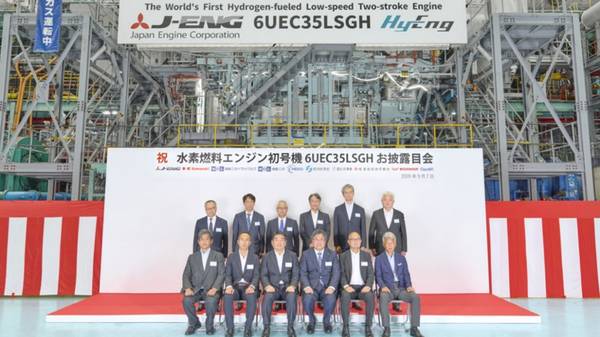
Japan Engine completes land-based testing of landmark hydrogen-fuelled engine for large vessels
Hydrogen co-firing rate of at least 95% achieved during factory testing. |
|
|
|
||
|
Ethanol edges into shipping’s fuel mix as methanol crossover eases adoption barriers
Rising interest from cargo owners, shared technology with methanol and Brazilian production growth push ethanol beyond regional niche status. |
|
|
|
||
|
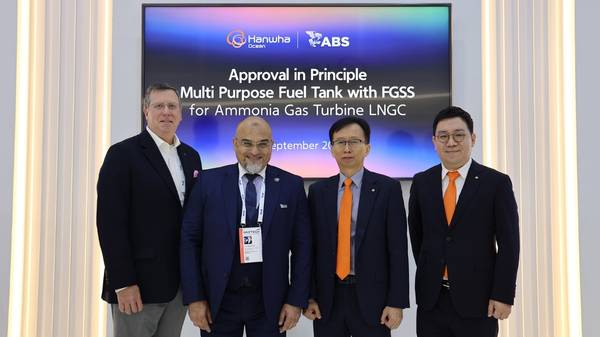
ABS grants Hanwha Ocean approval for dual-fuel tank enabling LNG-to-ammonia switch
In-principle approval awarded for fuel tank and supply system enabling LNG carriers to convert to ammonia without replacement. |
|
|
|
||
|
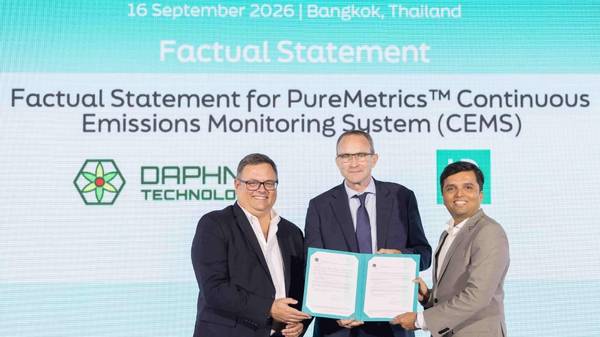
Lloyd's Register confirms suitability of Daphne Technology's emissions monitoring system
Factual Statement validates the PureMetrics design for monitoring greenhouse gas emissions from marine engines. |
|
|
|
||

|
IMO issues shipboard biofuel blend checklist developed by IBIA
Checklist for FAME-based biofuels formally incorporated into IMO document, supporting crews handling biofuel blends for the first time. |
|
|
|
||
|
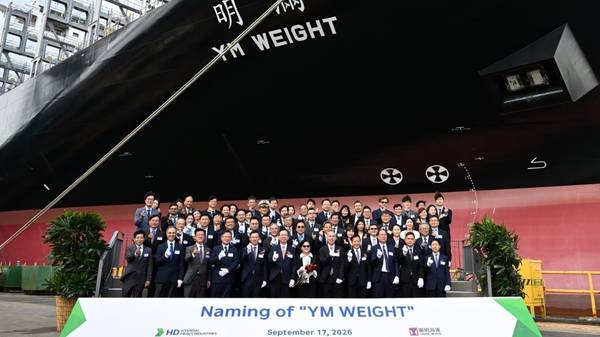
Yang Ming names fourth LNG dual-fuel container vessel YM Weight
Newbuild features high-pressure dual-fuel main engines capable of running on either LNG or low-sulphur fuel oil. |
|
|
|
||
|
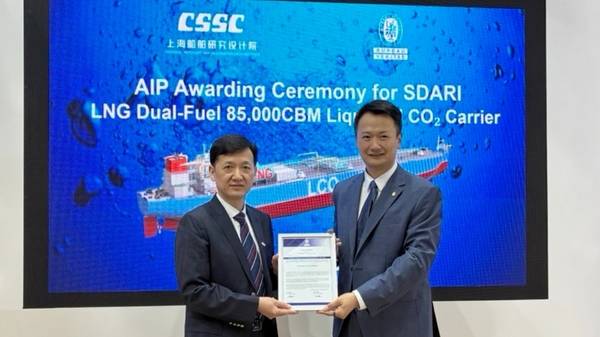
Bureau Veritas grants AiP to SDARI’s LNG dual-fuel liquefied CO₂ carrier design
Classification society approves 85,000-cbm vessel concept designed to support the growing carbon capture and storage sector. |
|
|
|
||

|
JuWonOil looking to strengthen with two Houston hires
Texas-based firm is recruiting a marine lubricants sales executive and a marine fuels and distillates trader. |
|
|
|
||
|
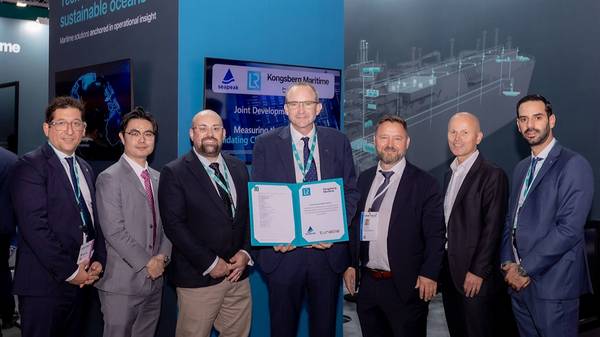
Four firms partner to trial continuous emissions monitoring on LNG carrier
LR, Seapeak, Kongsberg Maritime and Tunable will test onboard CO₂ monitoring against engine data and default emissions factors. |
|
|
|
||
|
Bunker Holding reshuffles commercial leadership across brand portfolio
Appointments announced across KPI OceanConnect, Glander International Bunkering and its digital sales operations. |
|
|
|
||
| Bureau Veritas grants AiP to SDARI’s LNG dual-fuel liquefied CO₂ carrier design [News & Insights] |
| Four firms partner to trial continuous emissions monitoring on LNG carrier [News & Insights] |
| Lloyd's Register grants design appraisal for wind-powered LNG carrier concept [News & Insights] |
| DNV grants approval in principle for HD HHI’s 271,000-cbm LNG carrier design [News & Insights] |
| GTT Energy launches new LNG fuel tank design for container ships [News & Insights] |
