
 |
Liquid Wind has received €3.6m in funding from the Swedish Energy Agency's Industriklivet programme to support pre-engineering work for its planned e-methanol production facility in Örnsköldsvik, Sweden.
The funding, equivalent to SEK39m, is designed to help Swedish industry transition to greener operations. According to the Swedish Energy Agency, the project provides a foundation for Liquid Wind to move toward an investment decision for the e-fuel facility.
The agency said the project's goals align with Industriklivet's purpose of driving lower carbon emissions and a more sustainable industrial sector. The programme is part of the EU Recovery and Resilience Facility and Next Generation EU.
"We are pleased to receive the Industriklivet support for our project in Örnsköldsvik. It represents a strong commitment from the Swedish government that not only accelerates the transition to fossil-free e-fuel production in Sweden but also sends a powerful signal to international investors and offtakers," said Claes Fredriksson, CEO and founder of Liquid Wind.
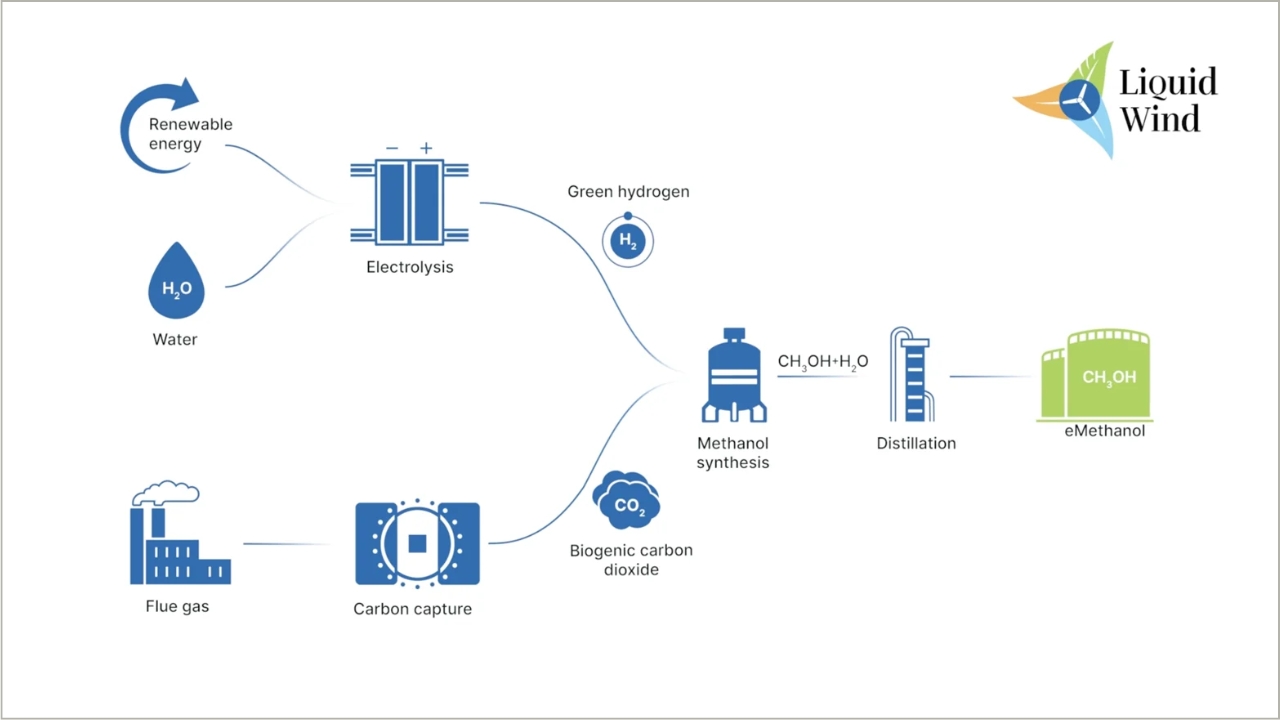
The proposed facility would be integrated with Övik Energi's biofuel-powered combined heat and power plant, which primarily uses forest and paper industry by-products. According to Liquid Wind, the facility would use renewable electricity to produce green hydrogen through electrolysis, combining it with 150,000 tonnes of captured biogenic CO₂ from the CHP plant.
Liquid Wind notes that the facility would produce 100,000 tonnes of e-methanol annually, potentially avoiding 200,000 tonnes of CO₂ equivalent emissions by replacing fossil fuels in transport and industrial applications.
Headquartered in Gothenburg, Liquid Wind develops e-fuel production facilities, operating in Sweden, Denmark, and Finland. Its investors include Alfa Laval, Carbon Clean, Elyse Energy, Samsung Ventures, Siemens Energy, Topsoe, and Uniper.
The company has stated its goal of reaching 10 facility projects by 2027.
|
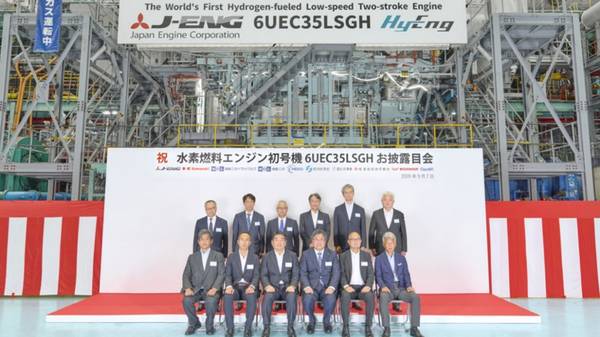
Japan Engine completes land-based testing of landmark hydrogen-fuelled engine for large vessels
Hydrogen co-firing rate of at least 95% achieved during factory testing. |
|
|
|
||
|
Ethanol edges into shipping’s fuel mix as methanol crossover eases adoption barriers
Rising interest from cargo owners, shared technology with methanol and Brazilian production growth push ethanol beyond regional niche status. |
|
|
|
||
|
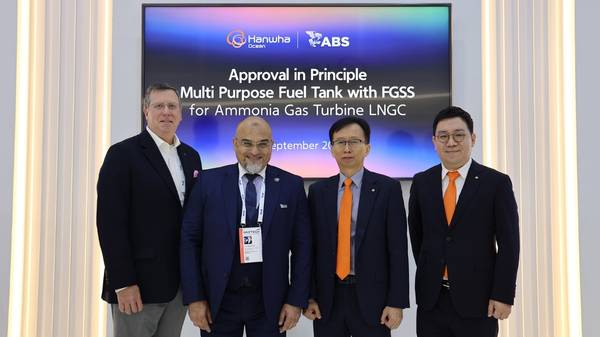
ABS grants Hanwha Ocean approval for dual-fuel tank enabling LNG-to-ammonia switch
In-principle approval awarded for fuel tank and supply system enabling LNG carriers to convert to ammonia without replacement. |
|
|
|
||
|
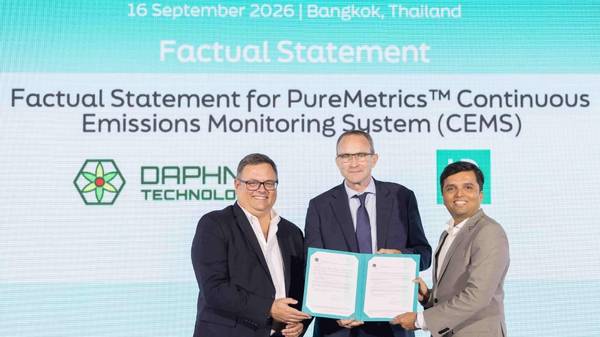
Lloyd's Register confirms suitability of Daphne Technology's emissions monitoring system
Factual Statement validates the PureMetrics design for monitoring greenhouse gas emissions from marine engines. |
|
|
|
||

|
IMO issues shipboard biofuel blend checklist developed by IBIA
Checklist for FAME-based biofuels formally incorporated into IMO document, supporting crews handling biofuel blends for the first time. |
|
|
|
||
|
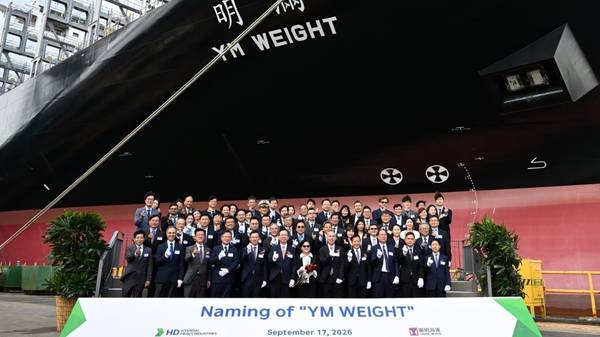
Yang Ming names fourth LNG dual-fuel container vessel YM Weight
Newbuild features high-pressure dual-fuel main engines capable of running on either LNG or low-sulphur fuel oil. |
|
|
|
||
|
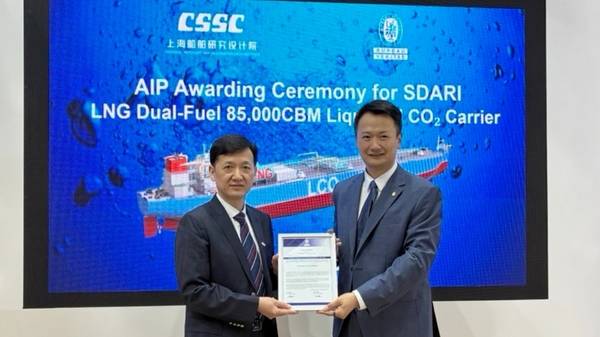
Bureau Veritas grants AiP to SDARI’s LNG dual-fuel liquefied CO₂ carrier design
Classification society approves 85,000-cbm vessel concept designed to support the growing carbon capture and storage sector. |
|
|
|
||

|
JuWonOil looking to strengthen with two Houston hires
Texas-based firm is recruiting a marine lubricants sales executive and a marine fuels and distillates trader. |
|
|
|
||
|
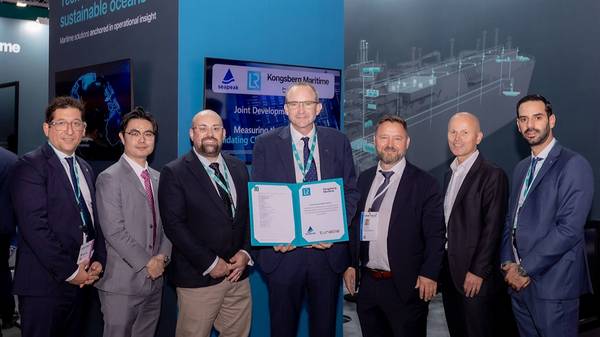
Four firms partner to trial continuous emissions monitoring on LNG carrier
LR, Seapeak, Kongsberg Maritime and Tunable will test onboard CO₂ monitoring against engine data and default emissions factors. |
|
|
|
||
|
Bunker Holding reshuffles commercial leadership across brand portfolio
Appointments announced across KPI OceanConnect, Glander International Bunkering and its digital sales operations. |
|
|
|
||
| Green fuel producers urge IMO to adopt Net-Zero Framework with e-fuel incentives [News & Insights] |
| Clean ammonia project pipeline shrinks as offtake agreements remain scarce [News & Insights] |
| Uniper signs deal for up to 500 kt/yr of renewable ammonia from AM Green [News & Insights] |
| Liquid Wind secures agreements for 100,000-tonne e-methanol facility in Sweden [News & Insights] |
| Japan Engine completes land-based testing of landmark hydrogen-fuelled engine for large vessels [News & Insights] |
| Ethanol edges into shipping’s fuel mix as methanol crossover eases adoption barriers [News & Insights] |
