
 |
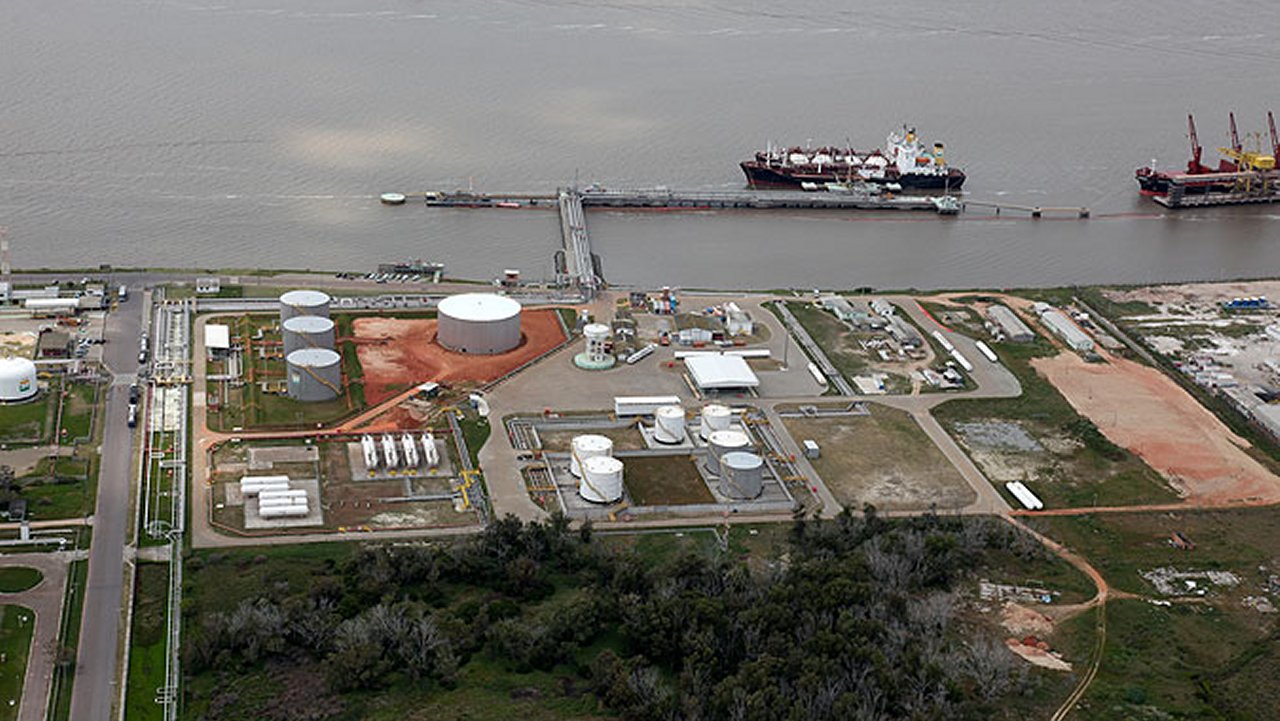
Petrobras has announced that it has received the ISCC EU RED certification for its new bunker fuel product, VLS B24, which is blended and commercialised at its TERIG terminal in the Port of Rio Grande, Brazil. This certification acknowledges the sustainable content within the fuel, marking a step towards greener maritime operations for the firm.
The VLS B24 product is composed of 76% mineral bunker oil and 24% biodiesel, specifically Fatty Acid Methyl Ester (FAME). According to Petrobras, the biodiesel component complies with rigorous sustainability and greenhouse gas (GHG) reduction criteria set forth by the European Renewable Energy Directive, thus validating its environmental credentials. The blend also meets the international specification ISO 8217:2024, aligning with the ISO-F-RF category.
Furthermore, Petrobras says its VLS B24 fuel adheres to the standards outlined in ANP Brazilian Resolution N° 920 of 2023, which are at least as stringent as the ASTM D6751 standard for biodiesel fuel blendstock (B100) used for middle distillate fuels. This would ensure that the fuel not only meets renewable energy requirements but also maintains high-quality performance for various maritime operations.
Designed to be a drop-in solution, VLS B24 can be utilised in the main engines of medium and large vessels, auxiliary power generation systems, emergency systems, and boilers without any operational restrictions. The product is said to have undergone extensive testing and approval processes to ensure it supports the maritime industry's decarbonisation efforts effectively.

|
Monjasa shuffles leadership across Asia and West Africa trading desks
Morten Jacobsen steps down as managing director for Asia, with Simone Piredda relocating from Dubai to take the helm in Singapore |
|
|
|
||
|
Burando Energies appoints Tue Jensen as head of market risk
Dutch marine fuels specialist bolsters its risk function amid international growth plans. |
|
|
|
||

|
Fincantieri floats out Explora V and marks coin ceremony for Explora VI
Two ceremonies at Sestri Ponente shipyard advance construction of MSC's six-ship Explora Journeys fleet. |
|
|
|
||

|
BP advertises for senior physical bunker trader to oversee Europe and Africa marine business
London-based trader is required to manage pricing, accounts and strategy across its marine fuels operation. |
|
|
|
||

|
Seven Japanese firms join forces on ammonia-fuelled car carrier project
NYK, K Line and five other companies plan to build four ammonia-fuelled car carriers alongside a dedicated bunkering vessel and supply chain. |
|
|
|
||

|
EmissionLink urges EU to channel ETS revenues into shipping carbon capture trials
Maritime emissions specialist says regulation alone will not make onboard carbon capture commercially viable for shipowners. |
|
|
|
||
|
WinGD signs long-term service deals covering 14 LNG carriers with three shipowners
Engine designer secures lifecycle support contracts with COSCO, NYK and TMS Cardiff Gas for dual-fuel LNG vessels. |
|
|
|
||
|
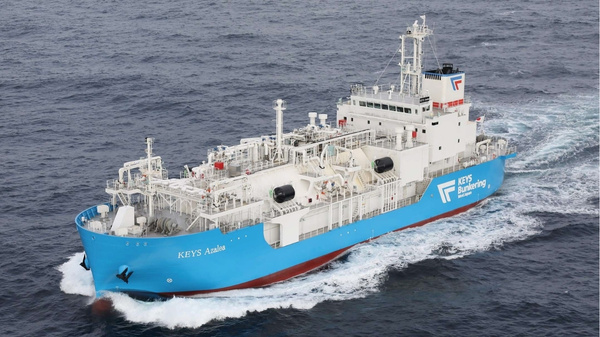
KEYS Azalea completes 100th LNG bunkering operation in western Japan
LNG bunkering vessel reaches landmark delivery in two and a half years. |
|
|
|
||
|
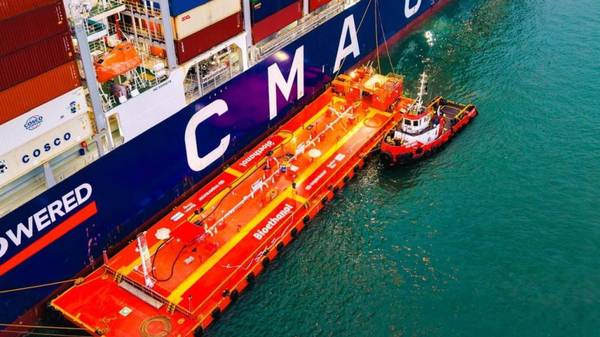
Port of Santos moves to regular ethanol bunkering for ships
CMA CGM, Copersucar and Bunker One expand July pilot into a commercial supply chain for ethanol as a marine fuel in Brazil. |
|
|
|
||
|
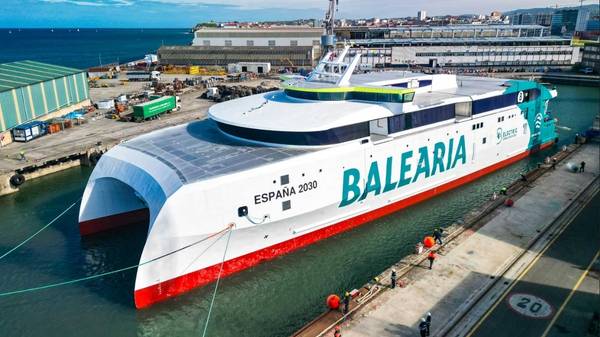
Baleària floats first fully electric fast ferry for Tarifa–Tangier route
Spanish operator's new catamaran, built at Armón's Gijón yard, will enter service in summer 2027. |
|
|
|
||
| ISO 8217 formula 'not suitable' for gauging FAME fuel energy content: VPS [News & Insights] |
| EmissionLink urges EU to channel ETS revenues into shipping carbon capture trials [News & Insights] |
| India and EU sign letter of intent for green shipping corridor coalition [News & Insights] |
| Petrobras launches HSFO bunker sales in Rio de Janeiro [News & Insights] |
| Petrobras resumes bunkering operations at Rio Grande Terminal after power restoration [News & Insights] |
| Petrobras suspends bunker deliveries at Rio Grande after tropical storm [News & Insights] |
