
 |
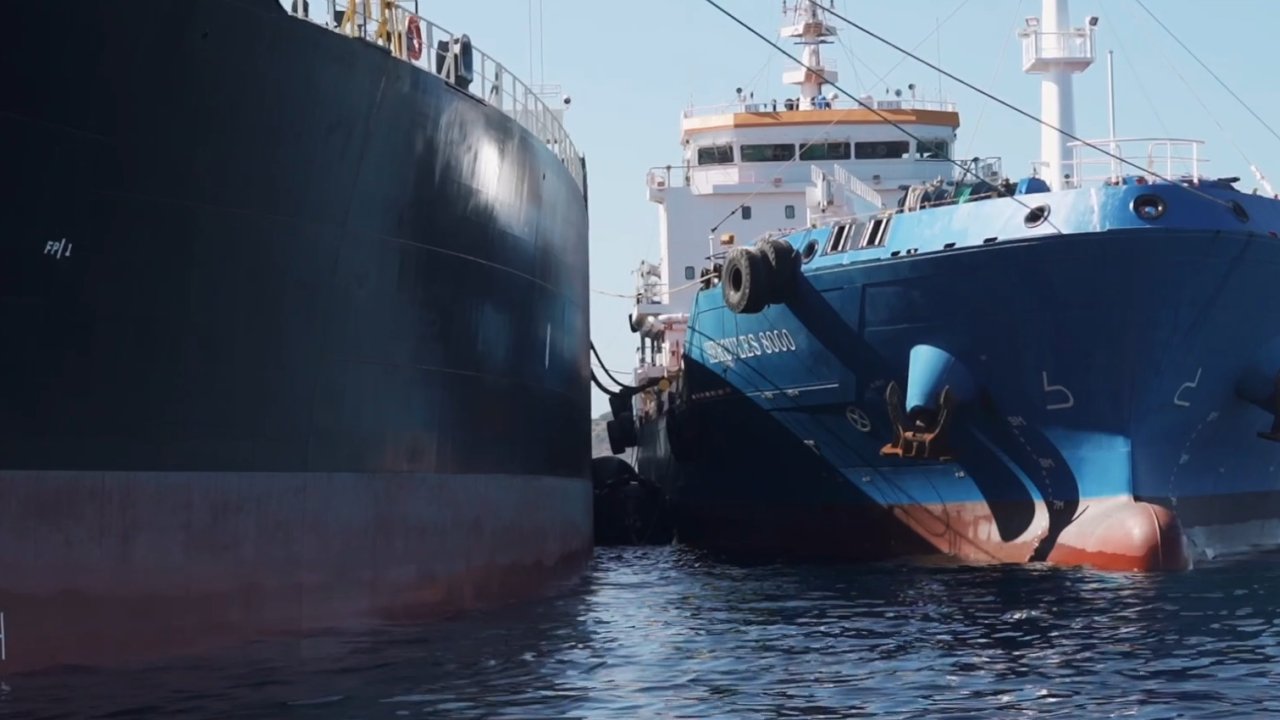
Peninsula has announced the expansion of its physical supply operations in the United Arab Emirates with the addition of Abu Dhabi and Jebel Ali.
The marine fuel supplier, which is already active in the region, performing deliveries in Fujairah, Dubai, Sharjah and Khor Fakkan, said that it had secured bunker licences for both additional ports and that it will be providing "a full range of products from dedicated logistics".
The operations in Abu Dhabi and Jebel Ali are to be commercially managed from Peninsula's regional base in Dubai, with operational support provided by its team in Fujairah.
John Bassadone, Peninsula CEO, commented: "Expansion into Abu Dhabi and Jebel Ali is a progressive step for Peninsula as we continue to grow our Middle East footprint.
"The UAE is home to some of the world's most strategically located and advanced ports. Jebel Ali Port is a top-ten global container port, while Abu Dhabi is a key maritime trade and logistics hub.
"The move further extends our unrivalled physical supply network across the Mediterranean and Suez and reflects our commitment to meeting our customers' needs at a global level."
Alex Lyra, Global Head of Supply & Trading for Peninsula, added: "Extending our physical supply network into these additional locations will enable us to offer customers flexibility and tailored optionality to meet their needs.
"We have already secured a strong flow of business at the new ports, which is testament to the confidence our customers have in our offering."
|
Kuehne+Nagel seeks marine energy pricing analyst in Greece
Logistics firm recruiting for role focused on bunker pricing formulas and compliance cost analysis. |
|
|
|
||
|
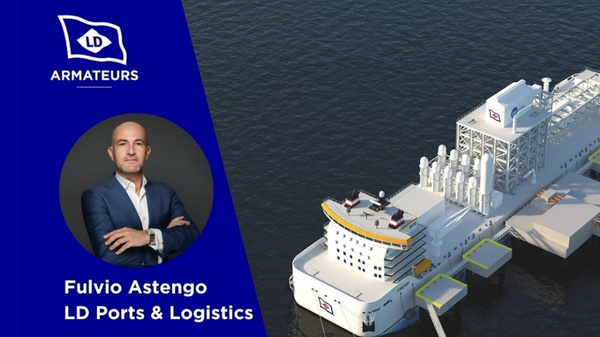
LD Armateurs to present floating ammonia terminal concept at London energy conference
French shipowner to showcase FRESH platform design for offshore hydrogen and ammonia supply chains. |
|
|
|
||
|
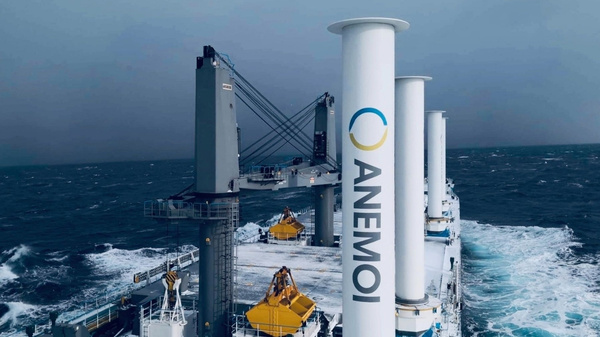
Anemoi rotor sails complete eight years of operation on bulk carrier M/V Afros
Lloyd’s Register survey finds no operational issues with wind propulsion system after extended service. |
|
|
|
||
|
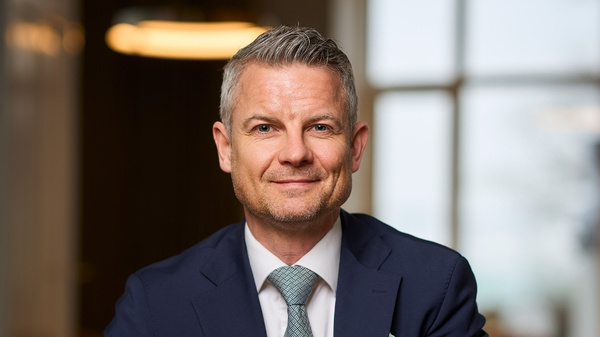
Bunker Holding promotes Mikkel Kannegaard to chief operating officer
Kannegaard has led transformation of supply organisation since joining in August 2025. |
|
|
|
||
|
Uni-Fuels seeks general manager for London bunker trading desk
Nasdaq-listed marine fuel supplier recruits for commercial leadership role with P&L responsibility. |
|
|
|
||

|
NE Atlantic ECA will cause significant change to the current fuel mix | Steve Bee, VPS
The possibility of off-spec issues highlights the continuing need for proactive fuel testing to protect vessels. |
|
|
|
||
|
Smart ships failing to convert data into actionable intelligence, warns SmartSea
Maritime technology firm claims vessels collect vast amounts of data but lack integration to support decision-making. |
|
|
|
||

|
DNV forecasts 100-fold growth in clean hydrogen by 2060, with China leading expansion
Classification society projects $3.2tn investment in hydrogen sector, with maritime accounting for 15% of clean hydrogen use. |
|
|
|
||

|
Dual-fuel container ship and vehicle carrier fleet surpasses 1,200 vessels
World Shipping Council reports 65% year-on-year increase in operational dual-fuel vessels to 440 ships. |
|
|
|
||
|
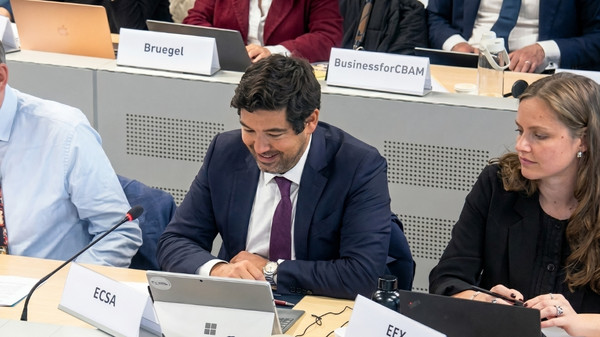
European Shipowners calls for ETS revenue investment and fuel supplier mandate
ECSA urges the EU to invest €9bn in annual ETS revenues in fuel production and infrastructure. |
|
|
|
||
| Peninsula to receive first of four tankers in Q2 2025 [News & Insights] |
| Peninsula CEO seals deal to build LNG bunker vessel [News & Insights] |
| Peninsula confirms maiden B30 deal in Zeebrugge [News & Insights] |
| Peninsula lauds appointment of Jeroen De Vos as IBIA vice chair [News & Insights] |
| Peninsula opens applications for 2026 graduate programmes in marine fuels trading [News & Insights] |
| Peninsula highlights supply chain strength amid Strait of Hormuz closure [News & Insights] |
| Peninsula marks 30 years of marine fuel supply operations [News & Insights] |
| Peninsula begins physical bunker supply operations in Mauritania [News & Insights] |
