
 |
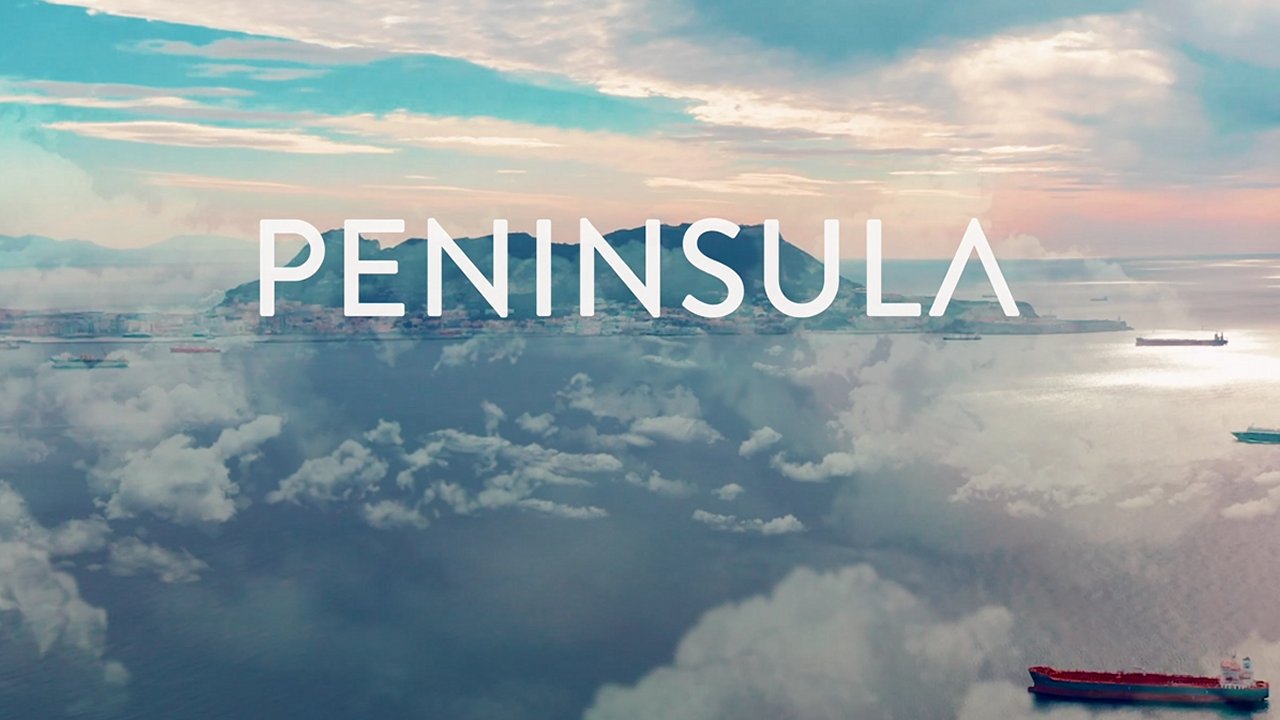
Hercules Tanker Management (HTM) has announced that it will start receiving the first of four new tankers in the second quarter of 2025. The vessels are scheduled to be delivered at three-month intervals and time-chartered to bunker supplier Peninsula.
HTM commissioned the 7,700-dwt newbuild IMO II chemical tankers from the Jiangmen Hangtong Shipyard in China. The vessels will be part of Peninsula's fleet modernisation programme, described by the marine fuel seller as "ultra-spec", given their ability to supply methanol as well as 100% biofuel.
Further specs include diesel-electric (and battery-ready) power units, said to reduce emissions by around 20% compared to other conventional product tankers, and a twin engine with Schottel propulsion, designed to significantly improve manoeuvrability and safety during STS or loading operations.
The near-term launch of methanol-ready tonnage is set to help Peninsula service the expected growth in the global methanol-powered fleet. HTM noted that its "foresight" in recognising this predicted rise in demand was particularly relevant given the continued lack of shipyard slots.
John A. Bassadone, Founder and CEO of both Peninsula and Hercules Tanker Management, commented: "The partnership between HTM and Peninsula allows us to build ships which cater for customer needs, thus de-risking construction whilst maintaining full flexibility. This model ensures our assets optimise efficiency and remain relevant. It was perhaps perceived as a risk when HTM was first to market with these orders over two years ago, but we always had the confidence, driven by Peninsula's global customer reach, that these ships have an important future role to play in alternative fuel supply."
|
Kuehne+Nagel seeks marine energy pricing analyst in Greece
Logistics firm recruiting for role focused on bunker pricing formulas and compliance cost analysis. |
|
|
|
||
|
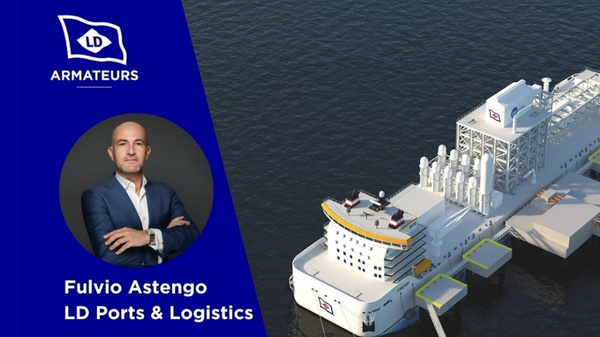
LD Armateurs to present floating ammonia terminal concept at London energy conference
French shipowner to showcase FRESH platform design for offshore hydrogen and ammonia supply chains. |
|
|
|
||
|
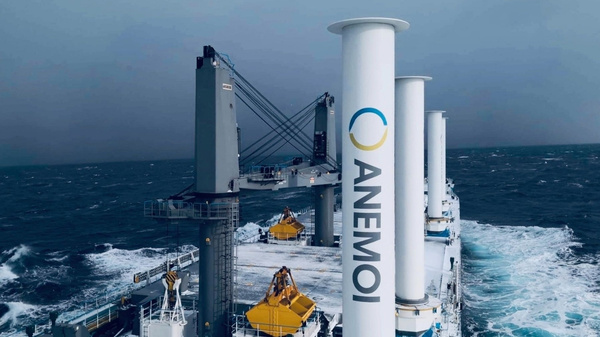
Anemoi rotor sails complete eight years of operation on bulk carrier M/V Afros
Lloyd’s Register survey finds no operational issues with wind propulsion system after extended service. |
|
|
|
||
|
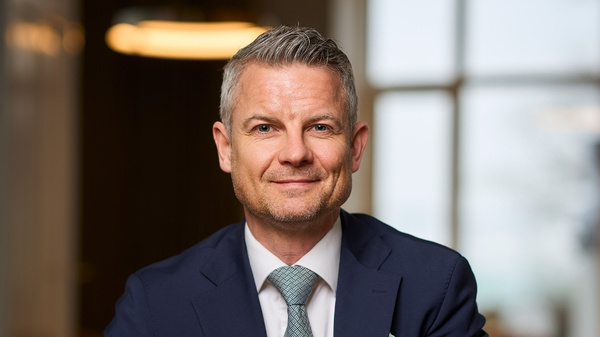
Bunker Holding promotes Mikkel Kannegaard to chief operating officer
Kannegaard has led transformation of supply organisation since joining in August 2025. |
|
|
|
||

|
Uni-Fuels seeks general manager for London bunker trading desk
Nasdaq-listed marine fuel supplier recruits for commercial leadership role with P&L responsibility. |
|
|
|
||
|
NE Atlantic ECA will cause significant change to the current fuel mix | Steve Bee, VPS
The possibility of off-spec issues highlights the continuing need for proactive fuel testing to protect vessels. |
|
|
|
||
|
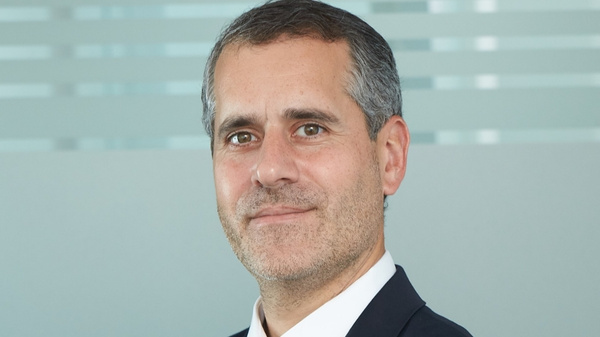
Smart ships failing to convert data into actionable intelligence, warns SmartSea
Maritime technology firm claims vessels collect vast amounts of data but lack integration to support decision-making. |
|
|
|
||
|
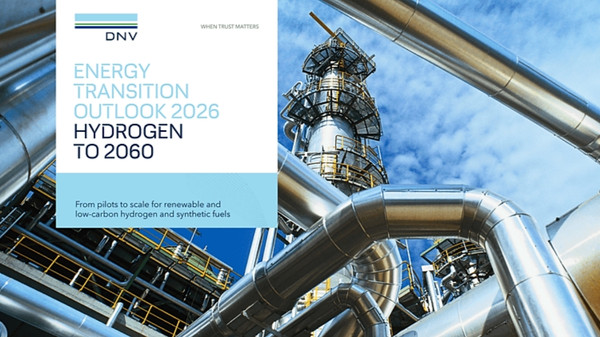
DNV forecasts 100-fold growth in clean hydrogen by 2060, with China leading expansion
Classification society projects $3.2tn investment in hydrogen sector, with maritime accounting for 15% of clean hydrogen use. |
|
|
|
||

|
Dual-fuel container ship and vehicle carrier fleet surpasses 1,200 vessels
World Shipping Council reports 65% year-on-year increase in operational dual-fuel vessels to 440 ships. |
|
|
|
||

|
European Shipowners calls for ETS revenue investment and fuel supplier mandate
ECSA urges the EU to invest €9bn in annual ETS revenues in fuel production and infrastructure. |
|
|
|
||
| Peninsula CEO seals deal to build LNG bunker vessel [News & Insights] |
| Peninsula confirms maiden B30 deal in Zeebrugge [News & Insights] |
| Peninsula launches B100 bunker vessel in Barcelona [News & Insights] |
| Peninsula extends US Gulf operation offshore [News & Insights] |
| Tallink targets full bio-LNG transition for Baltic shuttle vessels within a year [News & Insights] |
| Bergen Bunkers achieves EcoVadis Platinum sustainability rating [News & Insights] |
| IceChem Tankers orders four methanol-ready chemical tankers for North Atlantic trades [News & Insights] |
| Landmark methanol-powered bunkering vessel departs shipyard [News & Insights] |
