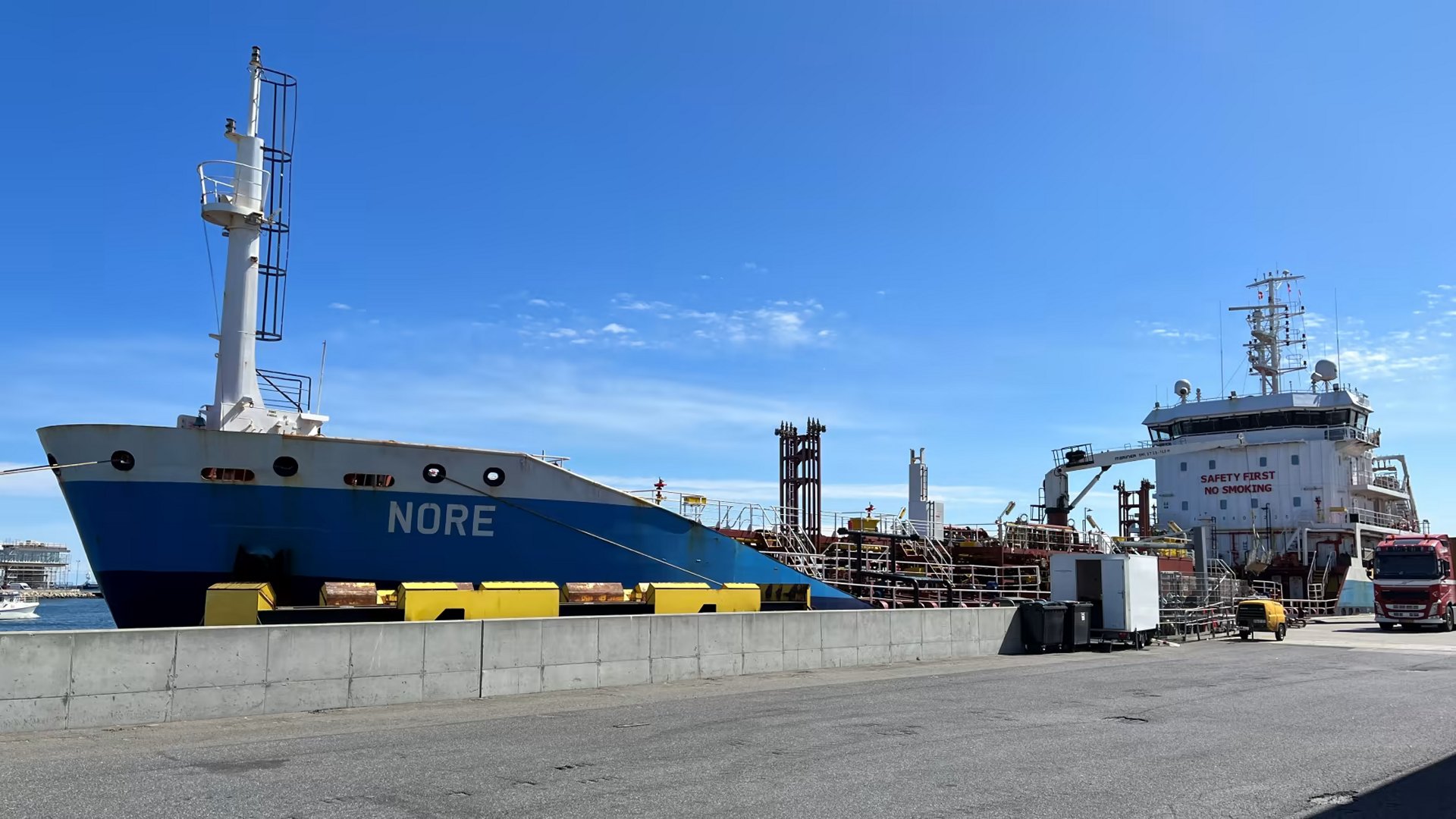
Bunker One has confirmed the long-term charter of its first methanol-ready bunker tanker, MT Nore, which as of May 2023 received the necessary bunkering permits and certifications to supply ships passing Gothenburg and Skaw with methanol as an alternative fuel.
The MT Nore - the fourth bunker tanker in Bunker One's Sweden fleet - will operate as a multi-fuel bunkering tanker, offering a 3,500-ton storage capacity that can be split between different products among its tank pairs.
Describing the process involved in preparing the operation for methanol deliveries, Bunker One Sweden's Chief Operating Officer, Petter Jonason, noted: "We've been working for some time, getting the landside infrastructure in place, chartering the tanker, and getting the licenses from the maritime authorities."
Ultimately, though, given the firm's experience, Jonason says "it all still feels like something that we've tried before. We are experts when it comes to supplying the maritime industry, which is no different whether it is conventional fuel or alternative products."
Despite the fact that many shipping companies are still only in the planning phase of investing in new ships with alternative fuels, Bunker One believes its decision to provide key supply infrastructure now will assist buyers in the decision-making process and help incentivize the move to lower-carbon solutions.
Peter Zachariassen, Bunker One's CEO, stated: "Gothenburg, Skaw and the entire Scandinavian region is one of our most important bunkering hubs with significant vessel traffic passing through the area, so to start building the infrastructure and have it in place is going to send a strong signal to our customers that if they bet on building ships powered by carbon emissions reducing products, we will be ready to supply them."
Zachariassen added: "Purchasing new fleets with alternative fuel as propulsion is a daring investment to ship owners, but we firmly believe that if we build the infrastructure, they will have one less thing to hold them back. New ships and alternative fuels will be necessary for the long run in the green transition. So, for now, we believe in taking leadership and becoming ready to transition towards carbon-reduced products. That is the only way change is coming around."
|
FuelEU pooling drives surge in bio-LNG demand, Titan analysis finds
Clean fuel supplier's modelling shows pooling mechanism turning overcompliance into tradable value for LNG-fuelled ships. |
|
|
|
||
|
Ports told to prepare now for advanced nuclear power
Joint paper sets out a readiness pathway for ports facing nuclear-powered vessels, floating reactors and small modular units |
|
|
|
||
|
Eastern Pacific Shipping takes delivery of first ammonia dual-fuel VLAC
Terra Clove powered by first Everllence B&W 6G60ME-C10.5-LGIA ammonia dual-fuel two-stroke engine. |
|
|
|
||
|
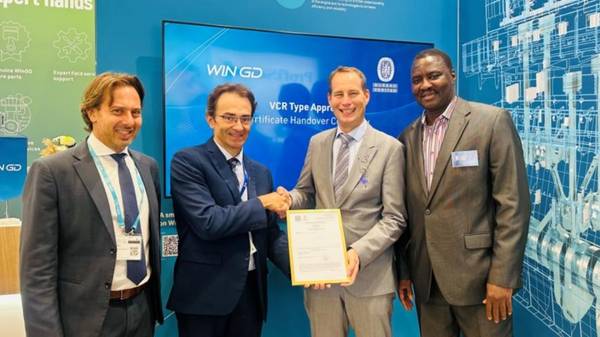
Bureau Veritas approves WinGD's variable compression ratio technology for dual-fuel engines
Classification society grants type approval to engine technology enabling compression ratio adjustment across different marine fuels. |
|
|
|
||
|
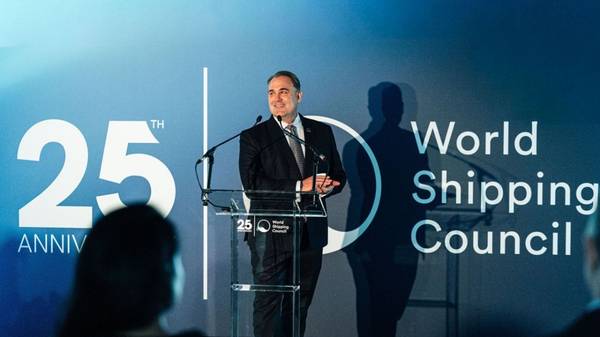
Dual-fuel fleet passes 500 ships as investment tops $200bn
World Shipping Council data shows dual-fuel container ships and vehicle carriers growing fast, with IMO rules uncertain. |
|
|
|
||
|
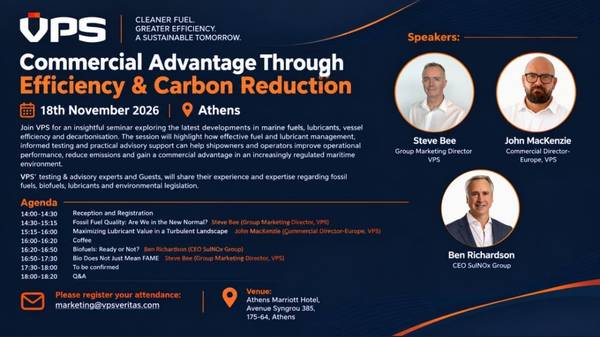
VPS to host Athens seminar on fuel efficiency and carbon reduction
VPS's final European round table of 2026 will cover marine fuels, lubricants and decarbonisation in Athens. |
|
|
|
||
|
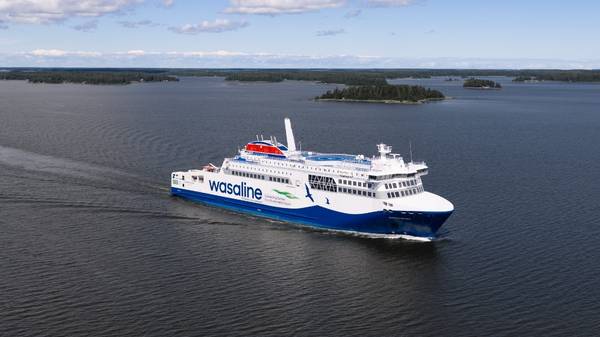
Wasaline secures locally produced biogas supply from St1 Biokraft for Vaasa–Umeå ferry
Agreement will supply 42 GWh of liquefied biogas annually, with deliveries due to start in January 2028. |
|
|
|
||
|
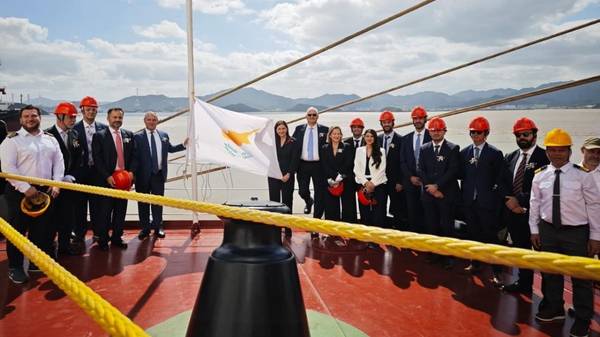
Safe Bulkers takes delivery of first dual-fuel methanol Kamsarmax newbuild
Kypros Island becomes the first dual-fuel bulker to enter the Cyprus Registry. |
|
|
|
||

|
PetroChina seeks LNG bunker trader to expand Asian marine fuel business
Role requires five to ten years of commercial experience in LNG, bunker trading, marine fuels, commodities, or energy trading. |
|
|
|
||
|
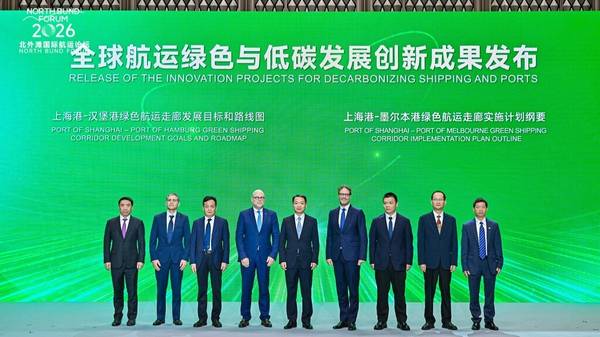
Shanghai and Melbourne ports move green shipping corridor into delivery phase
Ports launch implementation plan targeting green methanol, biofuels and shore power by 2035. |
|
|
|
||
| Methanol Institute publishes comprehensive fuel guide [News & Insights] |
| Methanol fuel cell project 'proceeding as planned': Alfa Laval [News & Insights] |
| Maersk orders eight large methanol-fuelled boxships [News & Insights] |
| Bunker Holding launches five-year plan [News & Insights] |
| Eastern Pacific Shipping takes delivery of first ammonia dual-fuel VLAC [News & Insights] |
| Dual-fuel fleet passes 500 ships as investment tops $200bn [News & Insights] |
| CIMC SOE advances construction on three LNG bunker vessels [News & Insights] |
| Pinnacle Marine launches two B100-compatible utility boats for Excelessel Offshore [News & Insights] |
| Singapore completes world's largest ethanol bunkering operation [News & Insights] |