Wed 23 May 2018, 09:45 GMT

UK sets out plan to tackle maritime emissions


Clean Air Strategy includes measures related to ECAs, zero-emissions shipping, greener fuels and port air quality.


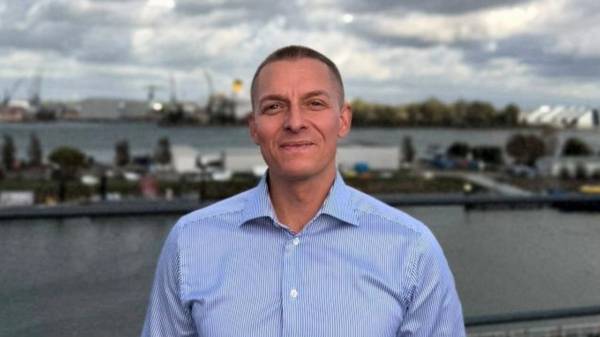
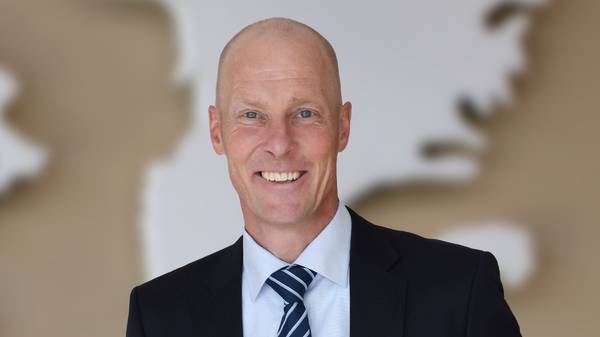
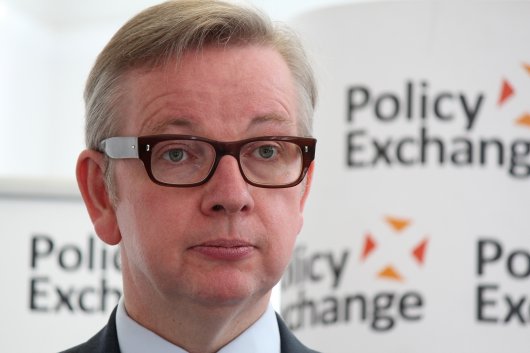
Michael Gove, UK Secretary of State for Environment, Food and Rural Affairs.
Image credit: Flickr
The UK government's Department for Environment Food and Rural Affaires (Defra) on Tuesday released its Clean Air Strategy 2018, which includes measures relating to Emission Control Areas (ECAs), zero-emissions shipping, the development of greener fuels and port air quality plans.

Outlining the key measures, the government said it will, by March 2019, consult on options for extending the current ECA in UK waters, and consult on options for new domestic regulations to reduce emissions from domestic ships - which could be through the application of international emission standards.

Also, by May 2019, all major English ports should produce Air Quality Strategies setting out their plans to reduce emissions, including ship and shore activities. These plans are to be reviewed periodically to establish if the measures implemented are effective or further government action is required.

Additionally, by the summer of 2018, a new government-led Clean Maritime Council is to be introduced to bring together different parts of the maritime sector to drive the uptake of cleaner technologies and greener fuels.

According to Defra data for 2016, domestic shipping (ships that start and end their journey in the UK) accounted for 11 percent of the UK's total domestic nitrogen oxide (NOx) emissions, 2 percent of particulate matter 2.5 (PM2.5) air pollution and 7 percent of sulphur dioxide (SO2) emissions.

Defra also observed that international shipping (ships that go to or come from international destinations) emissions have "a significant impact on air quality in the UK due to shipping lanes and engine operation while at UK ports".

"The government is committed to driving down emissions from ships and reducing the impact of emissions from the maritime sector on the environment and public health," the Clean Air Strategy report said.

Referring to the Department for Transport's recently proposed Maritime 2050 strategy, which aims to develop a long-term plan to create a sustainable future for the UK maritime sector, Defra noted that environment will be a key theme of the strategy.

As part of the 2050 vision, Defra says it will work with stakeholders to develop, by the spring of 2019, the first UK Clean Maritime Plan - setting out policies to reduce greenhouse gases and pollutant emissions from shipping, and to underpin the long-term vision of zero-emissions shipping.

Referring to Brexit in the plan, Michael Gove, Secretary of State for Environment, Food and Rural Affairs, remarked: "Leaving the EU marks a new chapter for the UK. We have an opportunity to set world-leading standards on everything from marine conservation to clean air strategies, and to set a gold standard for environmental protection.

"We will be able to set out a new direction for our environment, based on rigorous scientific research and underpinned by the legal principles that have done so much to improve our environment in the past. It is my profound hope that we will use the opportunity presented by leaving the EU to become a world leader in environmental excellence."


Renewable ammonia project pipeline by region chart. Clean ammonia project pipeline shrinks as offtake agreements remain scarce  

Renewable ammonia pipeline falls 0.9 Mt while only 3% of projects secure binding supply deals.

Global Ethanol Association (GEA) logo. Thoen Bio Energy joins Global Ethanol Association  

Shipping group with Brazilian ethanol ties becomes member as association plans export-focused project group.

Geiranger Fjord, Norway. Norway enforces zero-emission rules for cruise ships in World Heritage fjords  

Passenger vessels under 10,000 GT must use zero-emission fuels in Geirangerfjord and Nærøyfjord from January 2026.

D-Flex PSV design render. Longitude unveils compact PSV design targeting cost efficiency  

Design consultancy launches D-Flex vessel as a cost-efficient alternative to larger platform supply vessels.

IBIA hiring graphic IBIA seeks advisor for technical, regulatory and training role  

Remote position will support the association’s IMO and EU engagement and member training activities.

Truck-to-ship LNG bunkering in Hammerfest. Barents NaturGass begins LNG bunkering operations for Havila Kystruten in Hammerfest  

Norwegian supplier completes first truck-to-ship operation using newly approved two-truck simultaneous bunkering design.

Everllence L70ME-GI engine. Everllence receives 2,000th dual-fuel engine order from Cosco  

Chinese shipping line orders 12 methane-fuelled engines for new 18,000-teu container vessels.

Sakura Leader vessel. NYK signs long-term charter deals with Cheniere for new LNG carriers  

Japanese shipping company partners with Ocean Yield for vessels to be delivered from 2028.

Ocean Legacy vessel. Sallaum Lines takes delivery of LNG-powered container vessel MV Ocean Legacy  

Shipping company receives new dual-fuel vessel from Chinese shipyard as part of fleet modernisation programme.

Gas Utopia vessel alongside Oceanic Moon vessel. Rotterdam bio-LNG bunkering surges sixfold as alternative marine fuels gain traction  

Port handled 17,644 cbm of bio-LNG in 2025, while biomethanol volumes tripled year-on-year.


 Recommended