Tue 17 Apr 2018, 08:54 GMT

Oil price increase eases, but uncertainty looms


By A/S Global Risk Management.


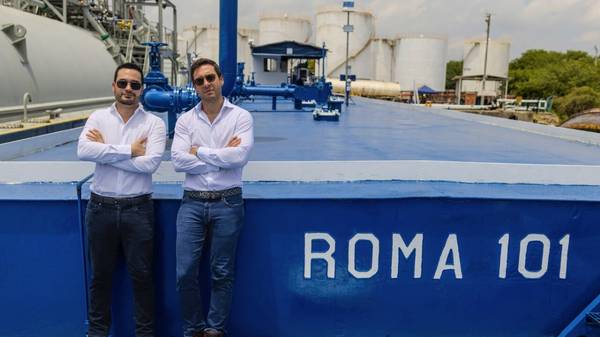
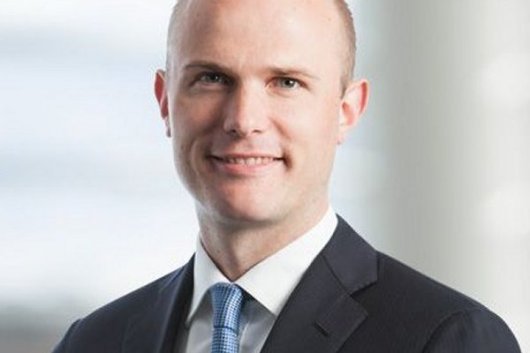
Michael Poulson, Global Risk Management.
Image credit: Global Risk Management
Geopolitical focus seems to be shifting from Syria tensions to the potential U.S. non-rectifying a deal in mid-May. The deal was originally struck between 6 world powers in 2015 to lift economic sanctions against major oil producer Iran. Iran was to limit their nuclear programme. If the U.S. does not renew the lifting of sanctions, this could lead to a re-imposing of sanctions and hence limitation of crude oil supply from the country.

OPEC compliance to the current oil production cut deal was around 147% in February slightly higher in March. Now it looks like non-OPEC compliance increased from 78% in February to 85% in March. In total, 21 oil producing countries participate in the production cut deal which will be reviewed in June. Several of the participants have mentioned the likelihood of a continuation of the deal beyond 2018 and continued close cooperation between the parties.

Tonight, the weekly oil stocks data from the American Petroleum Institute (API) is published ahead of tomorrow's EIA oil inventory report. Last week saw a build in crude oil stocks from both reports. Consensus for this week is a draw in crude, distillates and gasoline inventories.

Overnight, Chinese GDP came out around consensus while Industrial Production disappointed slightly. As China is one of the world's largest oil consumers, a downtrend in activities could affect demand for oil and hence oil prices. Later today, U.S. housing data is published and also employment data from the UK. . .


Bermuda Container Line (BCL) logo. Bermuda Container Line imposes emergency bunker surcharge citing Iran War fuel price spike  

Shipping operator to add $150 per TEU charge from 1 May amid geopolitical fuel cost pressures.

China flag. Zhejiang’s first methanol-powered container ship launches in Jiaxing  

Vessel uses methanol propulsion technology to reduce carbon dioxide emissions by 90%.

TES flag with a model vessel in the background. TES joins SEA-LNG coalition to advance e-methane as marine fuel  

Green energy company targets 1m tonnes annual e-methane production by 2030 for shipping decarbonisation.

Ethanol and methanol workshop graphic. IBIA to host workshop on ethanol and methanol marine fuels during Singapore Maritime Week  

Half-day event will examine alcohol-based fuel pathways and integration into shipping’s multi-fuel landscape.

Steel-cutting ceremony for 13,000-dwt vessel. ROC begins construction of second chemical tanker for Essberger  

Chinese shipbuilder holds steel-cutting ceremony for 13,000-dwt methanol-ready vessel with ice class capability.

Norsepower and CHIC sign agreement. Norsepower and Cosco Shipping Heavy Industry Equipment sign wind propulsion cooperation agreement  

Wind propulsion technology provider partners with Chinese shipyard to scale rotor sail production.

Wärtsilä logo. Shipping firms struggle to prioritise decarbonisation investments amid regulatory uncertainty, Wärtsilä survey finds  

Survey of 225 maritime executives reveals 70% say uncertainty hinders investment decisions despite regulatory pressure.

IMT Isca G-Flex vessel render. Longitude Engineering unveils IMT Isca G-Flex PSV design with alternative fuel capability  

Naval architecture firm launches adaptable platform support vessel design based on the IMT-984 G-Class hull.

Philippos Ioulianou, EmissionLink. Shore power infrastructure is key to cutting ferry emissions in European cities, says EmissionLink  

Port electrification is needed to enable vessels to switch off engines at berth, reducing urban pollution.

Maritime and Port Authority of Singapore logo. Singapore prioritises maritime resilience amid geopolitical uncertainty, eyes digitalisation and green fuels  

MPA chief outlines the sector’s adaptation to supply chain disruptions while advancing automation and alternative fuels.