
|
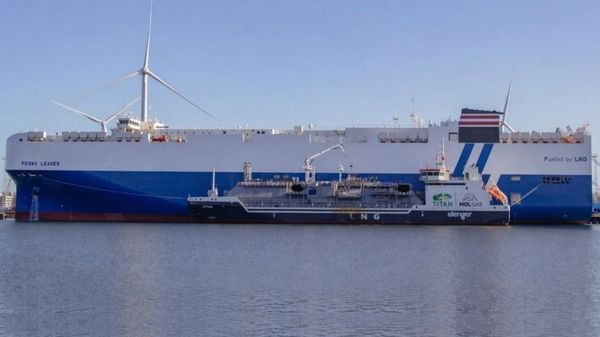
Titan Clean Fuels completes first FuelEU Maritime pooling exercise with DNV verification
Pool included several hundred vessels, with LNG and biomethane helping balance compliance deficits. |
|
|
|
||
|
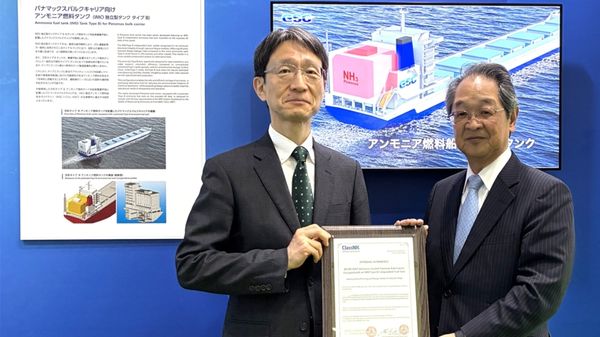
ClassNK grants world-first approval for ammonia-fuelled bulk carrier with Type B fuel tanks
Japanese classification society issues AiP for Panamax design with tanks installed on exposed deck. |
|
|
|
||

|
EmissionLink warns UK ETS preparations at risk amid Strait of Hormuz focus
Maritime emissions compliance provider says regulatory deadline cannot be delayed despite geopolitical disruptions. |
|
|
|
||
|
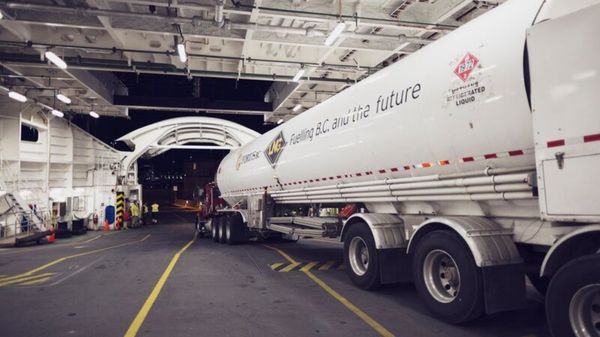
FortisBC completes 10,000th LNG bunkering operation for marine vessels
Canadian utility reaches refuelling milestone as West Coast LNG marine fuel demand grows. |
|
|
|
||
|
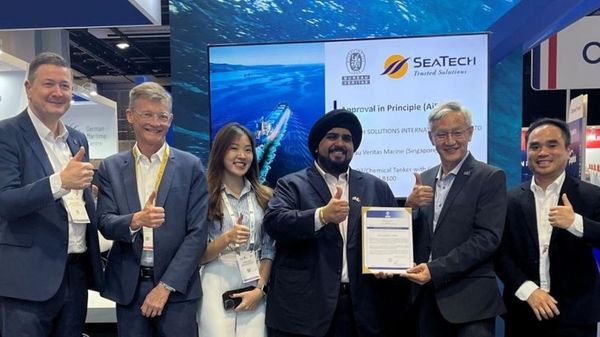
Bureau Veritas approves dual-fuel tanker designs for Australian coastal operations
SeaTech Solutions receives approval in principle for 80 m vessels designed to carry methanol and biofuels. |
|
|
|
||
|
Japanese shipping firms secure government funding for Singapore ammonia bunkering trial
Sumitomo, K Line and NYK to demonstrate ship-to-ship ammonia fuel supply operations. |
|
|
|
||
|
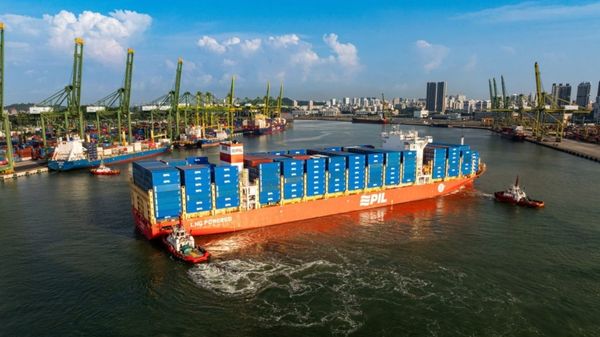
PIL and PSA launch Singapore’s first joint land-sea green shipping service
DNV-verified service allows shippers to reduce Scope 3 emissions through lower-carbon fuel allocation. |
|
|
|
||
|
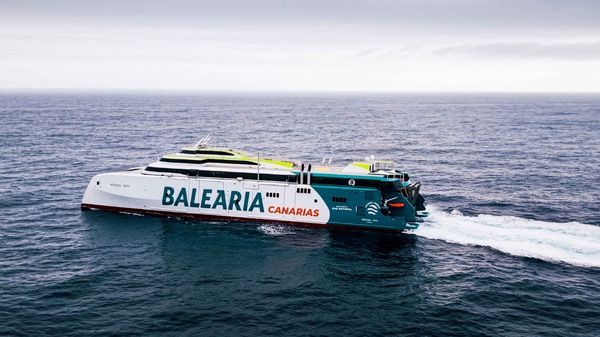
Baleària begins sea trials of dual-fuel catamaran Mercedes Pinto in Gijón
Third LNG-powered fast ferry expected for delivery in May, destined for Canary Islands routes. |
|
|
|
||
|
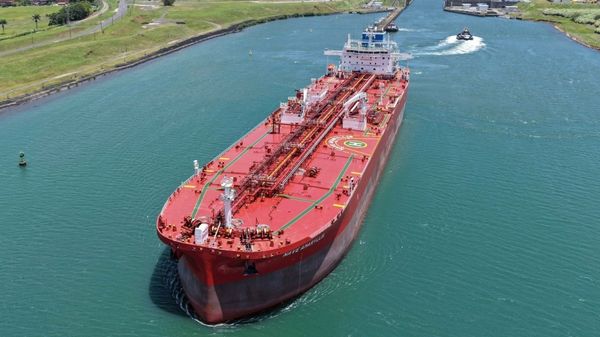
Navios Partners takes delivery of dual-fuel-ready Aframax tanker
Nave Amaryllis is equipped with LNG and methanol readiness alongside shore power capability. |
|
|
|
||

|
IBIA backs IMO as global shipping regulator ahead of MEPC 84
Marine fuel industry body supports joint shipping statement emphasising multi-stakeholder approach to decarbonisation. |
|
|
|
||
| Addax upgrades bunker fleet [News & Insights] |
| Hapag-Lloyd wins ZEMBA's second tender for e-methanol deployment [News & Insights] |
| CMA CGM adds methanol-powered containership to fleet [News & Insights] |
| Everllence secures propulsion package order for five 8,400 TEU boxships [News & Insights] |
| Cochin Shipyard signs contract with CMA CGM for six LNG-fuelled container vessels [News & Insights] |
| PIL's LNG-fuelled Kota Orkid makes maiden call at Singapore [News & Insights] |

