Fri 28 Apr 2017, 11:18 GMT

Singapore launches technical reference for LNG bunkering


TR 56 launched as Singapore takes another step towards becoming an LNG bunker-ready port.


The first Singapore Technical Reference (TR) 56 for Liquefied Natural Gas (LNG) Bunkering was launched today by the Maritime and Port Authority of Singapore (MPA), SPRING Singapore and the Standards Development Organisation @ Singapore Chemical Industry Council (SDO@SCIC).

The new standard is designed to provide a safe, efficient, sustainable and transparent technical framework for conducting LNG bunkering operations in Singapore, and thereby offer greater assurance to local and international LNG bunker buyers and suppliers.

The MPA's LNG bunkering pilot programme commenced early this year and will utilise TR 56 to guide the implementation of operational protocols by licensed LNG bunkering suppliers. This is designed to help the industry gain operational experience in LNG bunkering.

"Over the past three decades, Singapore has established herself as the world's top bunkering port. This has been supported by a strong Quality and Standards ecosystem and tools such as standards and accreditation schemes incorporated into Singapore's regulations to build trust and confidence in the sector. The Singapore Government has been working closely with industry players to advance the development of Singapore as a leading LNG bunkering and gas trading hub. A robust LNG bunkering sector in Singapore will also unlock new business opportunities in related services such as LNG trading and storage," the MPA said.

Captain M Segar, the MPA's Assistant Chief Executive (Operations), said: "While it may take time for LNG to take off as a marine fuel globally, we have taken steps to kick-start LNG bunkering in Singapore through our LNG Bunkering Pilot Programme, one of them being the development of TR 56. The document will ensure Pavilion Gas and FueLNG, MPA's two appointed LNG bunker supplier licensees, conduct LNG bunkering operations of high quality with regards to safety as well as quantity and quality assurance."

Michael Chia, Chairman of FueLNG Pte Ltd, remarked "The Technical Reference provides strong guidance to LNG bunker licence holders on the operating parameters of LNG Bunkering. Of particular importance for this nascent industry are the guidelines on safety and reliability. FueLNG looks forward to contributing further to the enhancement of best practices that benefit the local industry and shipowners as well as to strengthen Singapore's status as an LNG bunkering hub."

Darius Lim, Head of Corporate Affairs of Pavilion Energy Pte Ltd, said: "As a licensed LNG bunker supplier, Pavilion Gas is pleased to participate in developing the LNG bunkering value chain in Singapore. The TR 56 provides good guidance on LNG bunkering operations in Singapore and is a key component in the development of Singapore's LNG bunkering industry. Pavilion Gas looks forward to working with MPA, SPRING Singapore and industry stakeholders to refine TR 56 into a Singapore Standard for LNG bunkering in Singapore."

Goh Tiak Boon, Chairman of the Technical Committee on LNG Bunkering under the Singapore Standard Council, commented: "TR 56 will support the adoption of LNG as a bunker fuel in the Port of Singapore to meet international requirements for environmental sustainability. It will also help the local LNG bunkering sector follow a uniformed set of good practices thereby enhancing efficiency, safety and transparency."

"TR 56 paves the way for the bunkering industry to transform to meet the challenges of the future economy. SPRING will work with industry stakeholders to develop the necessary accreditation and conformity assessment schemes, and provide a range of assistance to SMEs in areas such as training, consultancy, certification and funding to support the LNG bunkering industry in adopting this Technical Reference," said Ms Choy Sauw Kook, Assistant Chief Executive of SPRING Singapore."

Fact Sheet: Singapore Technical Reference (TR) 56 for Liquefied Natural Gas (LNG) Bunkering


Flag of Brazil. Petrobras resumes bunkering operations at Rio Grande Terminal after power restoration  

Brazilian supplier restarts marine fuel supply after completing an inspection following an electricity outage.

Stena E-Flexer vessel render. Stena RoRo orders battery-ready E-Flexer 2.0 ferries from Chinese yard  

Vessels include diesel engines capable of running on biodiesel and are methanol-ready.

BW Gemini vessel. Nord Gas Solutions to supply cargo and fuel systems for eight BW LPG VLGCs  

Gas-handling systems specialist awarded contract for new 90,000-cbm vessels.

Kingston Trader vessel. TFG Marine fits mass flow meter to Jamaica-bound bunker barge  

Kingston Trader becomes the first Caribbean bunkering vessel with mass flow metering as TFG Marine’s fleet coverage nears 90%.

Sebastian Vasquez and Camilo Angulo Ferrand, Monjasa. Monjasa announces full-chain marine fuel operations in Cartagena  

Monjasa says it now covers the entire marine fuel supply chain in Colombia, from oil wells to ship-side deliveries.

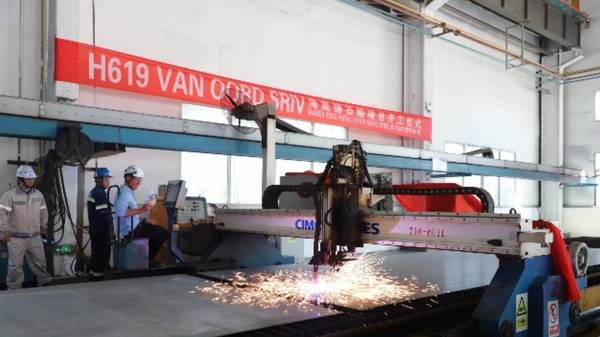
Steel-cutting ceremony for vessel with builder's hull no. H619. Ceremonies held for Van Oord’s methanol-hybrid rock installation vessels  

Two ships advance through parallel construction at China’s CIMC Raffles shipyard.

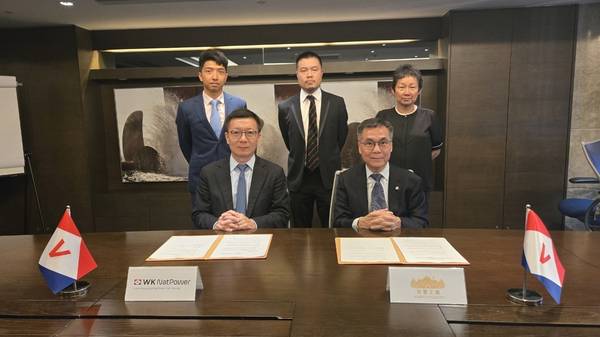
WK NatPower and AREL MoU signing. Wah Kwong NatPower signs MoU to explore Hong Kong marine electrification  

Venture will examine shore power, vessel charging and electric vessel deployment around Aberdeen’s waterfront.

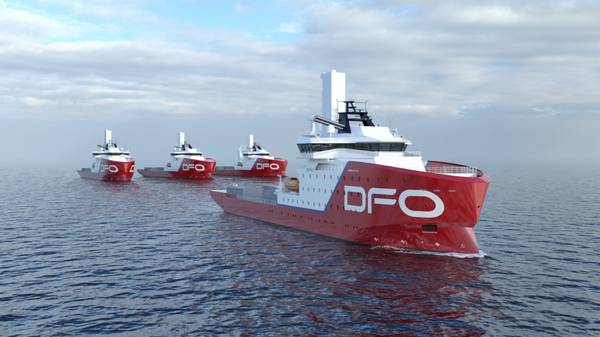
Vard 4 39 design render. Dong Fang Offshore orders CSOV with battery-hybrid propulsion  

Vard secures fifth newbuild contract from Taiwanese firm, with delivery scheduled for 2028.

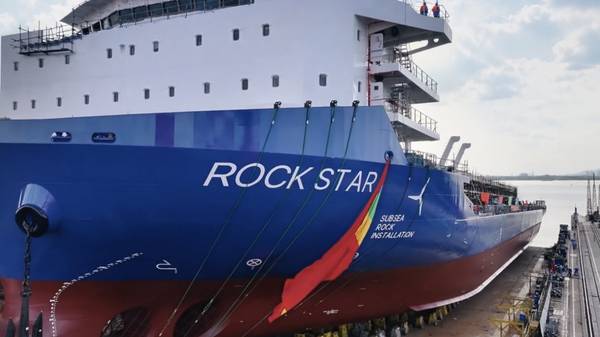
Rock Star vessel. CSL and OWL launch first subsea rock installation vessel for offshore wind  

MV Rock Star can run on MGO and methanol and is designed to support scour protection and cable burial for offshore wind projects.

François Michel and Andy McKeran. Lloyd’s Register study backs 200,000-cbm LNG carriers for fleet renewal  

Analysis finds larger LNG carriers could cut transport costs while retaining access to most major terminals.